
Detroit’s Vacant Lots: Boosting Bird Diversity and Navigating Community Impact
A recent study conducted by Michigan State University and Carleton University researchers has uncovered a surprising ecological benefit amid Detroit’s urban landscape. Despite being often associated with neglect, the city’s vacant lots, which constitute about 17% of its land, serve as unexpected sanctuaries for bird diversity. This finding has prompted discussions on balancing ecological benefits with the practical needs and safety concerns of local residents.
Unveiling an Urban Sanctuary
Through observations and data collection from 110 sites across 11 neighborhoods, the study found that these neglected spaces harbor a range of bird species. Areas with fewer buildings and roads showed a higher presence of species such as the eastern wood-pewee and northern cardinals. Amber Pearson, one of the study’s authors and a professor at Michigan State University, highlights the ecological value these spaces provide, explaining how they contribute to increasing biodiversity in deindustrialized cities like Detroit.
“We’re recognizing an opportunity to transform what we see as liabilities into ecological assets,” Pearson noted. “Our research indicates that unmaintained vacant lots can possess high ecological value, supporting specific bird species that thrive in urban environments.”
Challenges for Local Residents
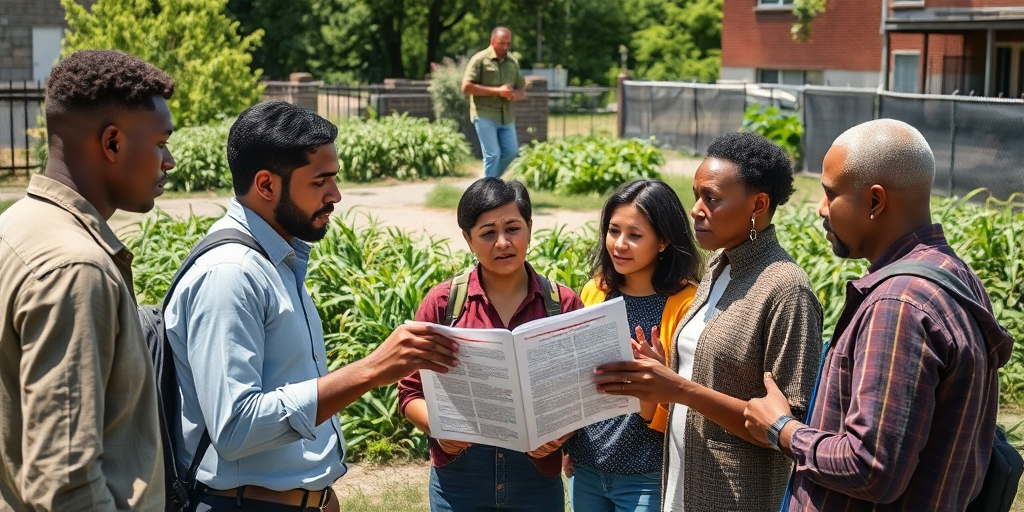
While these findings are promising for environmental advocates, the realities of living near vacant lots underscore complex socio-economic challenges. Residents often view these areas as unsafe, negatively impacting their quality of life and triggering anxiety. Community member James Turner expressed, “I understand the ecological benefit, but from a human perspective, these lots can feel like ticking time bombs for crime and neglect.”
This sentiment is shared by many who live amidst these vacant lands, emphasizing the need for management strategies that prioritize residents’ safety without diminishing the ecological advantages these spaces present.
Urban Greening and Community Well-being
The study aligns its findings with broader urban greening initiatives that reimagine the role of natural spaces in enhancing urban life. In collaboration with the Detroit Bird Alliance and the Detroit Parks & Recreation Department, researchers have been working on park rehabilitation projects. These efforts have included the removal of invasive species, planting native flora, and installing walking trails, thereby producing an intersection where ecological health meets community wellness.
Local activist and member of the Detroit Bird Alliance, Carla Hernandez, highlighted the progress made so far: “We’ve seen an increase in physical activity and reduced stress levels among residents who utilize these transformed areas. It’s about creating spaces that serve both the environment and the community.”
Navigating the Demands on Vacant Land
Beyond ecological and community-focused initiatives, there’s a growing interest in utilizing vacant lots for alternative projects, such as renewable energy. One notable venture is a 42-acre solar array project led by DTE Energy, intended to enhance air quality and lower emissions. While beneficial, these proposals add layers of complexity to how vacant land is managed and highlight the need for solutions that provide multiple benefits.
Rachel Buxton, a co-author of the study, emphasizes a collaborative approach: “The challenge lies in producing multifaceted solutions—ones that sufficiently accommodate the ecological aspect without ignoring community needs.”
Pathways to Engagement and Empowerment
As Detroit continues to recover from significant population decline—dropping from 1.85 million residents in 1950 to approximately 646,000 in 2024—residents and officials must engage cohesively to establish how best to manage these expansive vacant lands. The study encourages community-inclusive initiatives that foster resident involvement and bolster equitable access to natural environments.
Potential strategies could include educational programs that promote birdwatching and adopt-a-park schemes, enlivening public interest and participation while making these spaces serve wider purposes.
Implications for the Future
Detroit’s journey with its vacant lots might provide valuable insights for other cities facing similar challenges across the Rust Belt. The research clarifies that vacant land needs a nuanced approach, considering multiple stakeholders. With Detroit as a case study, it could lead the way in showcasing innovative land-use strategies that harmonize community, ecological, and developmental needs.
As the city leans into this dynamic transformation, the dialogue opened by this study shall continue, guiding Detroit through its evolution from a city of industrial decline to a beacon of ecological and community renewal. Residents remain encouraged to add their voices to the process, ensuring that these spaces develop under a shared vision reflective of both people and nature.
For more information and to partake in this community conversation, residents can reach out to the Detroit Parks & Recreation Department or engage in upcoming public forums scheduled by the city.


