
US Suspends Diversity Visa Lottery Abiding by Brown, MIT Homicides Ties
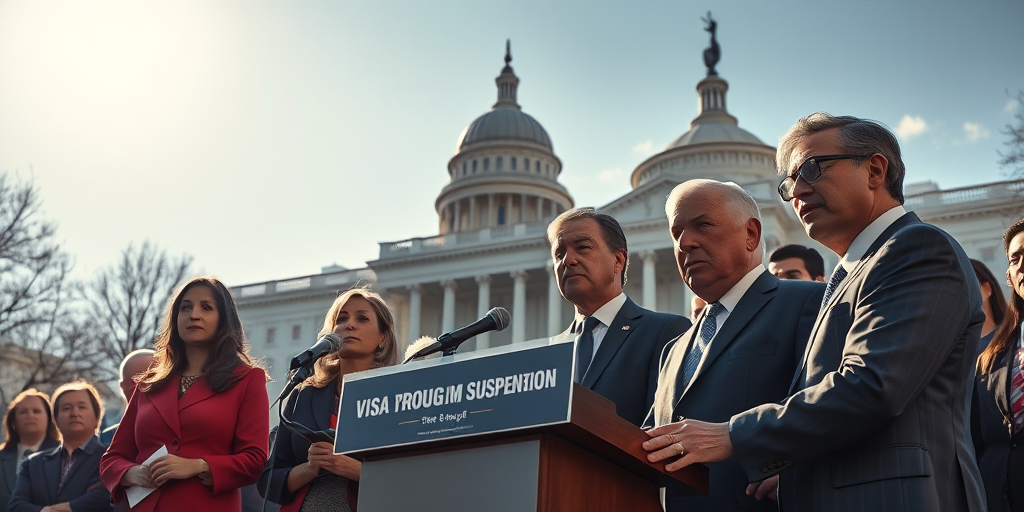
The United States government has announced an immediate pause to the Diversity Visa Lottery program following revelations that Claudio Manuel Neves Valente, the suspect in recent violent incidents at Brown University and MIT, entered the United States via this immigration channel. The decision, spearheaded by Homeland Security Secretary Kristi Noem, signals a significant pivot in current immigration policies, as directed by President Trump.
Direct Orders from the Oval Office
The suspension, announced Thursday, intends to mitigate further violent acts that could be linked back to immigrants entering through the Diversity Visa program. Secretary Noem, in her announcement, called the program “disastrous,” underscoring President Trump’s hardline stance, which has been a hallmark of his administrative agenda. This position has been criticized for its overgeneralization and portrayal of immigrants as potential threats, a narrative for which there remains little statistical support.
A Background on the Case
The decision follows a tumultuous week marked by a manhunt for Neves-Valente, a Portuguese national who came to the US under the 2017 Diversity Visa provisions. He was accused of heinously killing two Brown University students and an MIT professor, sparking national outrage. Neves-Valente was subsequently found dead in New Hampshire, further complicating the resolution of the matter. Evidence found with him has tentatively linked him to the crimes.
The Diversity Immigrant Visa Program, which Congress initiated, facilitates up to 50,000 visas annually, promoting immigration from underrepresented nations. Altering or terminating this program would mandate congressional involvement, although the current pause does not require legislative approval, inciting debate about executive overreach and the implications for future immigration policy.
Local Tensions and Broader Implications
The suspension’s reverberations are felt deeply within local immigrant communities, particularly amidst escalating concerns about broader immigration reform implications. Community leaders like Dr. Elena Lopez from the Massachusetts Immigrant and Refugee Advocacy Coalition express alarm about potential racial profiling and vilification. “The actions of one individual do not reflect the broader immigrant community and its contributions,” Lopez states, urging policymakers to consider the widespread ramifications of such decisions on the community’s social fabric.
Communities around Brown University and MIT, hubs of diverse cultures and global talent, are particularly sensitive to such policy changes. Regional economic dynamics heavily depend on the influx of skilled individuals from abroad, whose contributions fuel local innovation and enterprise. This policy change might stoke fears of diminishing international cooperation and exchange, pivotal aspects of Boston’s identity.
Criticism and the Discrepancy in Crime Narratives
Critics have been vocal in pointing out how President Trump’s rhetoric fosters an “us versus them” narrative, with experts highlighting that most research indicates that immigrants are less likely to commit crimes compared to their native counterparts. Such statistics have done little to dissuade the current administration from reinforcing border restrictions and rhetoric, thus increasing anxieties among immigrant communities nationwide.
This policy stance might also be seen as a continuation of previous restrictions, including the expansion of entry bans on various countries, aligning neatly with the administration’s America-first ethos. However, such measures risk alienating crucial allies and undermining America’s global image as a nation built on immigrant foundations.
James O’Leary, a policy analyst from the Suffolk University Political Institute, comments on the broader implications, “While the move attempts to reassure national security interests, it risks undermining the nation’s core values of diversity and openness. Such policy changes must be evaluated against cherished democratic principles.”
Future Trajectories and Community Preparedness
In light of this halt, there are growing demands among community advocates and legal experts to ensure proper oversight and fair procedural implementation. Public consultations and additional dialogues between DHS, legal advocacy groups, and affected communities are imperative to preclude widespread disruptions to families and the social landscape.
Residents also express concerns about legislative stagnation. Erika Sanchez, a resident active in local community boards, fears that without clear communication, understanding the pathways forward for current visa applicants remains murky. “We must maintain open channels to ensure that those affected are informed and supported during these transformative times,” Sanchez emphasizes.
Resources such as citizenship courses, legal aid access through Massachusetts Legal Assistance Corporation, and multilingual helplines are becoming increasingly crucial for helping immigrants navigate these convoluted landscapes.
Conclusion
As the US evaluates the merit and scope of its immigration policies, balancing security interests with humane, inclusive strategies remains a pressing challenge. The pause on the Diversity Visa Lottery program, rooted in a broader debate on immigration’s future, will likely fuel further discussions locally and nationally about the United States’ identity and role on the international stage. Reacting to these developments with thoughtful, measured steps could indeed serve as a testament to the nation’s resilience in the face of adversity.
As events unfold, Woke News will continue its coverage, ensuring readers are well-informed of policy shifts, local impact, and ongoing dialogues shaping the nation and its communities’ future.


