
U.S. Pauses Diversity Visa Lottery Following Brown University-MIT Shooting Tragedy
In the wake of a tragic and violent incident involving the death of two students from Brown University and a professor from the Massachusetts Institute of Technology (MIT), the diversity visa lottery program has been put under intense scrutiny. Whether this development will usher in a new era of immigration policy in the U.S. remains to be seen.
The Incident: A Community in Shock
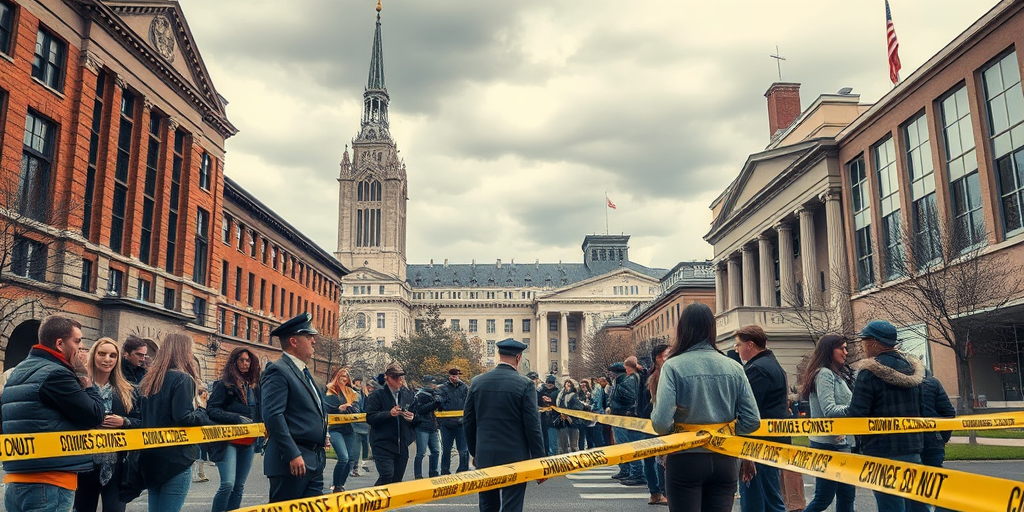
The critical event occurred when Claudio Manuel Neves Valente, a 48-year-old Portuguese national, was identified as the suspect responsible for the shootings at Brown University and MIT. Valente, who gained entry to the United States through the Diversity Visa Lottery, allegedly carried out the attacks before taking his own life in a storage unit in New Hampshire. This violent series of events has sent shockwaves through the communities of Providence and Cambridge, with many residents and students still processing the trauma.
The universities have since been deeply engaged in support and recovery efforts. “Our community is mourning the loss of young, promising lives and a cherished mentor who contributed immensely to our institution. We stand together during this difficult time,” said an MIT representative during a press briefing.
Federal Response: Pausing the Diversity Visa Lottery
In response to these tragic events, Secretary of Homeland Security Kristi Noem announced that the Diversity Visa Lottery program would be paused. This decision aligns with a policy position long held by former President Donald Trump, who argued that the lottery system potentially allows individuals who pose security risks to enter the United States. “This heinous individual should never have been allowed in our country,” Noem remarked on X, emphasizing the administration’s focus on preventing similar occurrences in the future.
Understanding the Diversity Visa Lottery Program
Established in the 1990s, the Diversity Visa Lottery program is designed to provide green cards to individuals from countries with low rates of immigration to the United States. Annually, 50,000 visas are distributed through a randomized system. To qualify, applicants must fulfill education or work experience criteria and undergo thorough vetting and interviews.
Valente initially entered the United States on a student visa in 2000 to attend Brown University but withdrew in 2003. His recent activities and motivations behind the shootings are subjects of ongoing investigation, as officials seek to piece together insights into what may have driven him to commit these acts.
Local Impact: Concern and Reassessment
The pause on the Diversity Visa Lottery program has sparked varied reactions within local communities, particularly among the immigrants who have enriched the cultural tapestry of areas like Providence and Boston. Some residents express concern that the decision could disrupt pathways to citizenship that have benefitted many.
“It’s important for people to see the positives of the diversity lottery, which brings in individuals who contribute significantly to our economy and cultural diversity. Many of these immigrants have become vital members of our community,” commented Sarah Ortiz, an immigration activist based in Rhode Island.
However, supporters of the decision argue that the lottery poses inherent risks. “Implementing this pause was necessary to ensure our safety and reassess the ways we vet candidates for entry,” remarked John Miller, a Massachusetts lawmaker supporting stricter immigration controls.
Connections to Past and Ongoing Issues
This recent policy move resurrects a persistent debate regarding American immigration policy, reminiscent of the restrictions imposed during the COVID-19 pandemic under Trump’s administration, which President Biden later reversed in 2021. Critics have consistently highlighted that such restrictions disproportionately affect individuals seeking new opportunities and boost local economies.
Many community leaders urge comprehensive immigration reform that balances security concerns with the benefits of a diverse population. The dialogue surrounding the Diversity Visa Lottery pause brings this need to the fore, challenging policymakers to devise strategies that encompass security without curtailing the country’s open and inclusive ethos.
Future Implications: Awaiting the Next Steps
While this pause is described as temporary, it has prompted questions about whether the Diversity Visa Lottery program will resume unchanged or face significant modifications. As the investigation into Valente’s motives and actions continues, officials are poised to examine systemic responses that guard against similar tragedies while maintaining welcoming policies for prospective immigrants.
Residents can expect more public discussions and consultations as state and federal authorities deliberate on these complex issues. The ultimate decision on the Diversity Visa Lottery program’s future could serve as a pivotal moment for U.S. immigration policy, setting precedents that resonate nationwide.
For community members seeking involvement or information, local authorities are organizing forums and resources to engage openly with concerned citizens, ensuring that diverse perspectives shape any forthcoming changes.
This unfolding narrative exemplifies the crossroads at which national policy, local community interests, and the quest for safety converge. While challenges remain, many hold out hope for resolutions that unify rather than divide, offering a safer and more inclusive future for all.
For further developments and updates on this issue, Woke News will continue to provide in-depth coverage, focusing on the community interest and local impact of such decisive moments in policy and society.


