
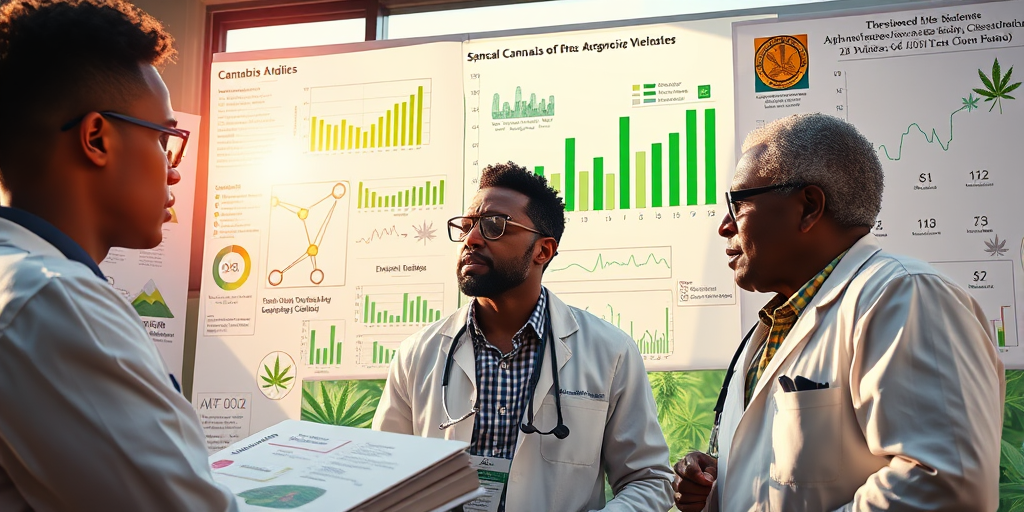
Exploring Cannabinoid Diversity and Nutrition in Southern Africa
A groundbreaking study by Mhuru et al., published in Discovery Plants, has unveiled the vast potential of cannabis beyond its well-known components, THC and CBD. This research delves into the diversity of cannabinoids found in Southern African cannabis strains and highlights the nutritional benefits of cannabis seeds, presenting both health and economic opportunities for the region. As Woke News explores the findings, we consider the implications for local communities and the broader challenges and opportunities they present.
Unveiling Cannabinoid Diversity
Southern Africa, recent research suggests, could be a treasure trove of untapped cannabinoid diversity. Mhuru et al.’s study sheds light on this aspect by highlighting the numerous cannabinoids present in cannabis strains across the region. While THC and CBD have historically dominated the conversation, this research points to other cannabinoids that offer substantial therapeutic benefits, such as anti-inflammatory and analgesic properties. Dr. Sarah Johnson, a biochemist from the University of Cape Town, echoes these findings, stating, “Exploring lesser-known cannabinoids opens up exciting possibilities for new medical treatments that are more tailored to individual needs.”
The Nutritional Promise of Cannabis Seeds
Beyond their pharmaceutical potential, cannabis seeds emerge as a critical nutritional resource. Rich in proteins, lipids, and essential amino acids, these seeds contribute to a sustainable food source that can address nutritional deficiencies in regions plagued by food shortages. Professor Alex Moyo, a nutrition expert in Botswana, emphasized the importance of these findings, saying, “Strategically leveraging cannabis seeds in our diet could significantly bolster food security and offer a plant-based alternative in protein-deficient areas.”
Precision in Quantification Methods
Ensuring the accurate measurement of cannabinoids is crucial for consumer and producer trust in the cannabis market. The study details advanced analytical techniques, including High-Performance Liquid Chromatography (HPLC), Gas Chromatography (GC), and Mass Spectrometry (MS), as vital tools for precise quantification. These methodologies are foundational in setting industry standards essential for quality assurance, showcasing how scientific advancements drive industry credibility.
Economic and Legal Landscape
The cannabis industry in Southern Africa stands at the cusp of significant transformation thanks to evolving legislation. South Africa, in particular, leads by example with its progressive legalization efforts, bolstering both economic opportunities and research innovation. Yet, the study cautions against unchecked growth, stressing that sustainable practices must guide the region’s Cannabis expansion. Jane Dube, a policy analyst from Johannesburg, remarked, “As laws evolve, they’re fostering more than trade – they’re encouraging responsible development in sync with ecological preservation.”
Environmental Considerations
Cannabis cultivation’s rapid rise also brings environmental concerns. Large-scale production may strain local ecosystems unless aligned with sustainable farming methods. Dr. Nelson Mbanga, an environmental scientist in Johannesburg, warns, “Without careful stewardship, intensive cultivation risks degrading soil health and water resources.” The study advocates for eco-friendly practices that balance industry growth with ecological well-being.
Socio-Economic Implications
The socio-economic ramifications of a burgeoning cannabis industry cannot be overlooked. From job creation to economic stimulation, cannabis cultivation has the potential to reshape Southern Africa’s economic landscape. The prospect of developing export markets could stimulate foreign investment and prosperity. “Cannabis offers a versatile economic stimulus that could uplift many communities,” asserts Sam Ndlovu, a cannabis entrepreneur from Durban.
The Path Forward: Multidisciplinary Collaboration and Consumer Education
The study extols the virtues of interdisciplinary collaboration among botanists, chemists, and nutritionists, underscoring its role in enriching cannabis research. Such teamwork produces a comprehensive understanding of cannabis and ensures diverse perspectives contribute to its development.
Education for both consumers and producers will be pivotal as the market unfolds. By facilitating workshops and information sessions, stakeholders can foster informed decision-making regarding cannabis strains and consumption methods, safeguarding consumer interests and industry integrity.
Community Engagement and Resources
For local communities keen on tapping into cannabis’ potential, resources are key. Educational initiatives, such as forums led by agricultural departments or university outreach programs, provide essential platforms for dialogue and learning. Engaging consumers in these discussions ensures transparency and fosters an environment of trust crucial to the industry’s success.
In conclusion, the study by Mhuru et al. emphasizes the expansive potential of cannabis within Southern Africa – from diversification of cannabinoids to the nutritional benefits of cannabis seeds – championing a future where sustainable practices align with socio-economic gains. As Southern Africa positions itself as a leader in the global cannabis sector, balanced growth anchored in ethical practices and education will be paramount for realizing the plant’s full potential.


