
Unveiling Genetic Diversity in Mediterranean Durum Wheat: A Path to Sustainable Agriculture
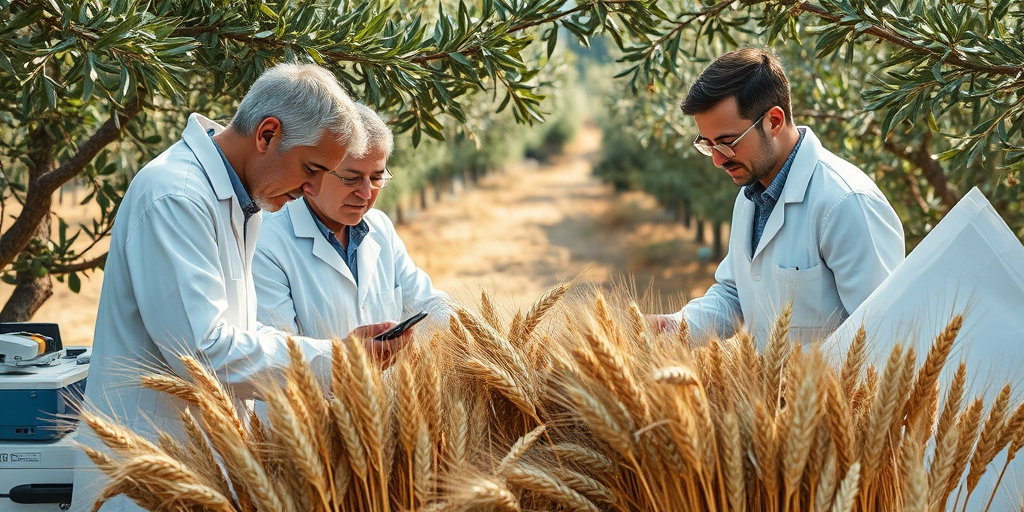
In the ongoing quest for agricultural sustainability, particularly in the face of climate change, a recent study has shed light on the genetic diversity of Mediterranean durum wheat, offering promising implications for the future of crop resilience and yield. Featured on Bioengineer.org, this pioneering research utilizes advanced genomic techniques to explore the genetic intricacies of this vital crop, emphasizing the potential benefits for food security and agricultural practices.
The Power of DArTseq Markers
The study, conducted by Laribi, Ben M’Barek, and Velasco-Cuervo, harnesses DArTseq markers to delve deeply into the genetic makeup of a core collection of Mediterranean durum wheat accessions. This high-resolution genomic analysis provides crucial insights into genetic variation, an area previously under-explored in durum wheat, thereby identifying genetic resources critical for breeding programs aimed at enhancing crop yield and resilience.
Durum wheat, predominantly grown in Mediterranean regions, is celebrated for its high protein and gluten content, essential for pasta production. However, the potential vulnerability of this crop to environmental changes and diseases has driven researchers to explore its genetic diversity more thoroughly. Their findings could pave the way for developing more resilient durum wheat varieties that can better withstand pests, diseases, and changing climatic conditions.
Key Discoveries and Practical Applications
One of the study’s critical revelations is the identification of genetic variations linked to phenotypic traits, which could be strategically harnessed in breeding programs to enhance durum wheat’s nutritional quality and yield. As food security remains a global challenge, this targeted approach could significantly bolster durum wheat’s role in addressing nutritional needs worldwide.
Furthermore, the research underscores the importance of preserving genetic diversity within durum wheat populations. As climate challenges intensify, maintaining a broad genetic base is vital for developing crop varieties capable of enduring adverse conditions. The comprehensive data generated by DArTseq markers not only illuminate existing genetic variations but also lay the groundwork for future breeding efforts that prioritize genetic diversity.
Beyond Agriculture: Influencing Policy and Conservation
The implications of this research extend well beyond the immediate agricultural context. By advocating for the protection of diverse genetic resources, these findings inspire broader discussions about sustainable agricultural practices and resilient food production systems. Policymakers can draw from this work to inform conservation strategies that safeguard vital crops against environmental changes.
Moreover, the advancement of DArTseq markers over traditional genetic analysis methods represents a significant leap forward. This technology enables researchers to conduct a nuanced analysis of genetic structures, allowing for better assessments of population structure and genetic relationships among durum wheat accessions.
Integrating Modern Genetics and Traditional Practices
The study provides a compelling case for integrating genomic resources with traditional breeding programs. By aligning contemporary plant genetics with age-old farming methods, the research highlights how such synthesized approaches can enhance crop sustainability. As global changes exacerbate pressures on farmers, merging scientific research with traditional agricultural knowledge could yield substantial benefits.
This holistic approach to genetic analysis not only focuses on genetic differences but also contextualizes them within the framework of environmental challenges. This perspective is essential for crafting solutions that are both scientifically sound and socially responsible, offering a model for how scientific advancements can complement traditional practices to build a more resilient agricultural sector.
Collaborative Efforts and Future Implications
The study also emphasizes collaboration among researchers, horticulturists, and farmers to share genetic data and resources, thereby maximizing the potential for developing robust crop varieties. By focusing on collective goals, these efforts can address broader challenges in food production and security, ultimately benefiting communities both locally and globally.
In summary, this research into Mediterranean durum wheat’s genetic diversity represents a vital step forward in reshaping future breeding practices. The use of cutting-edge technology to understand genetic variation provides a valuable resource that could guide breeding programs worldwide. It serves as a call to action for researchers and agriculturalists to prioritize sustainable practices essential for enduring crops.
As the agricultural sector faces unprecedented changes, findings like those presented in this study will be crucial in guiding future crop breeding strategies and ensuring continued food security. The study is part of a larger narrative about the necessity of innovation in agriculture, demonstrating that scientific advancements can indeed provide solutions to pressing global challenges.
The everlasting vitality of durum wheat, and food security more broadly, may well hinge on our ability to leverage the genetic potential highlighted by this research. As such, the study serves as a blueprint for how genetics can be harnessed to foster a more resilient agricultural sector, one capable of thriving amid uncertainty and rapid change.


