
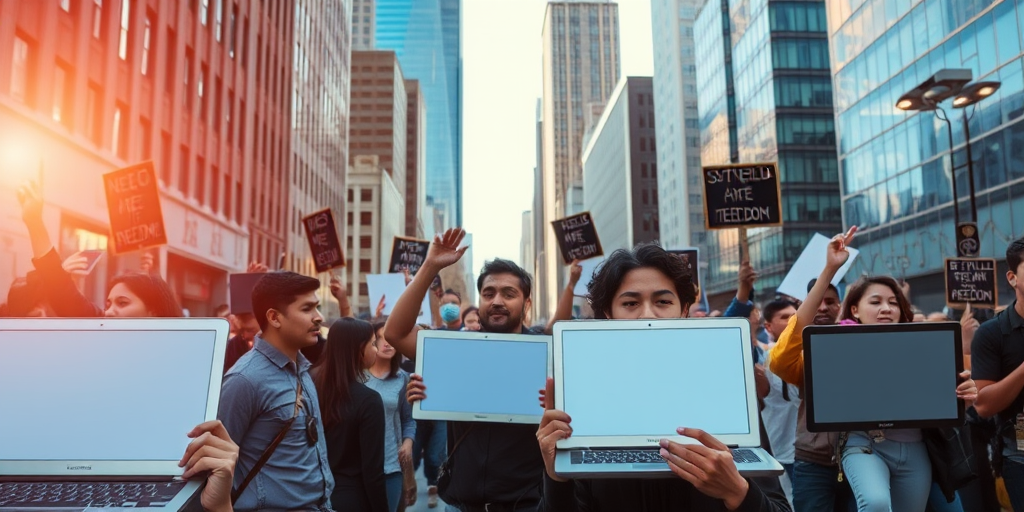
Certainly, let’s address the primary topic regarding universities and how they’ve responded to the Trump administration’s ban on diversity.
Many Universities Sidestep Trump Administration’s Diversity Ban
Despite mandates from the Trump administration to ban certain diversity initiatives within educational institutions, many universities across the United States have chosen to either ignore or reinterpret these rules to continue promoting diversity and inclusion on campuses. These actions reflect a tension between federal directives and institutional commitments to inclusive education.
Defying the Ban
In recent years, diversity, equity, and inclusion programs have become integral to the mission statements and strategic goals of many universities. These programs aim to foster a welcoming environment for students from various backgrounds, ensuring equal access to educational opportunities and resources. However, the Trump administration’s policies, particularly those issued in the later years, sought to curtail such practices, citing concerns over free speech and alleged discrimination against majority groups.
University leaders, faculty, and diversity advocates have expressed concern over these mandates, arguing that they undermine the progress made in creating equitable educational opportunities. Instead of fully repealing diversity initiatives, some institutions have decided to continue their efforts under revised frameworks or by using private funding.
Local Impact: A Commitment to Diversity
In states like California and New York, where higher education institutions have long championed multiculturalism, the response to federal directives has been particularly resistant. These universities emphasize that diversity practices are critical to their institutional values and vital for preparing students for a global workforce.
Prof. Alicia Ramirez, an expert in educational policy at a prominent university, noted, “Diversity enriches the learning experience and reflects the world our students are preparing to enter. It’s not just a policy; it’s a necessity.”
Additionally, communities around these universities often echo similar sentiments. In cities with large multicultural populations, like Los Angeles and New York City, residents view these educational initiatives as central to social equity.
Connections to Broader Issues
The move to sidestep the diversity ban is in many ways a continuation of efforts to resist federal policies perceived as limiting educational freedoms. Previously, similar strategies were employed by institutions to protect student rights regarding immigration status and access to education, highlighting ongoing debates over state versus federal control in education policy.
Since diversity programs are multifaceted, covering aspects ranging from curriculum development to faculty recruitment and student community engagement, universities have had to become adept at navigating complex political landscapes to sustain these efforts.
Future Implications
The future of diversity programs amid changing administrative priorities remains uncertain. If higher education institutions maintain their current course, it could lead to legal confrontations with federal entities. However, by leveraging alumni support and forming coalitions with advocacy groups, universities could continue to protect these initiatives.
Dr. Michael Kohler, an educational consultant, predicts, “As administrations shift, so too will the policies that guide our universities. It’s crucial that institutions remain agile and committed to their core values, even in the face of opposition.”
A Call for Balanced Perspectives
While many applaud universities for their commitment to diversity, others champion the need for compliance with federal guidelines, arguing that these rules are necessary to avoid potential biases in hiring and admissions processes. This ongoing debate underscores the broader national dialogue on how to balance diversity efforts with other priorities in education.
It’s crucial for stakeholders, including students, faculty, and community members, to engage in open discussions about these topics. Such dialogue ensures that university policies can be informed by diverse perspectives and create pathways for resolution that honor both legal obligations and moral commitments to diversity.
Engaging the Community
For those concerned or curious about how diversity programs may change in response to federal mandates, universities often offer public forums and information sessions. Many institutions also provide online resources where students and community members can voice their opinions and stay informed about legal developments related to education policy.
As this narrative unfolds, the role of diversity programs in American universities remains a point of deep interest and significance. How institutions reconcile federal policies with their commitments to equity, alongside their responsiveness to community interest, will greatly shape the landscape of higher education in the years to come.
In conclusion, the ongoing actions by universities to maintain diversity initiatives despite federal challenges reflects a determination to uphold local values of inclusivity and equality—a principle many consider fundamental to the educational mission and broader societal progress.


