
What is DEI, and Why is it Dividing America?
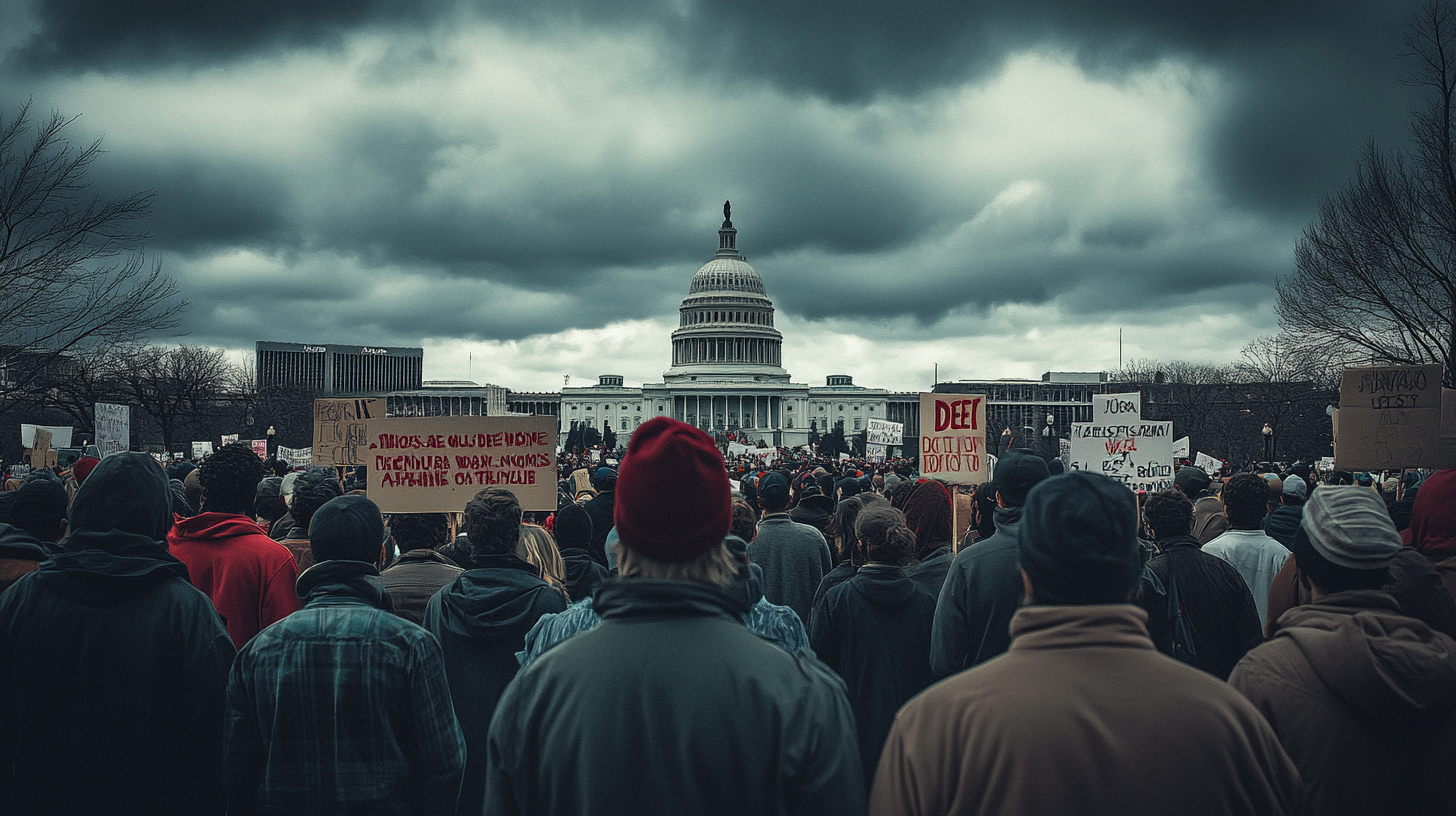
The growing divide surrounding diversity, equity, and inclusion (DEI) programs is gripping America, creating ripples across boardrooms, government institutions, and local communities. As the debate over these initiatives intensifies, understanding what DEI represents and why it has become so contentious is critical for residents trying to grasp its local impact and broader implications.
The Controversy Around DEI
In recent years, DEI initiatives have faced a significant backlash, particularly as figures like former President Donald Trump have sought to dismantle these programs through executive orders. Under the Trump administration, efforts have been made to eliminate DEI policies, with Elon Musk leading the newly established Department of Government Efficiency, criticizing them as discriminatory. This move has sparked concern and division among communities and organizations that view DEI as essential for fostering fair representation in spaces historically dominated by White individuals.
Supporters argue that DEI programs are vital for ensuring equal opportunities by addressing systemic inequalities. Daniel Oppong, founder of The Courage Collective, emphasizes these programs’ origins: “DEI was created because marginalized communities have not always had equal opportunities for jobs or felt included in corporate settings.”
However, critics assert that these initiatives unfairly disadvantage other groups, particularly White Americans, by introducing race-based considerations they see as akin to reverse racism. The tension surrounding DEI is mirrored in broader U.S. sociopolitical discourse, with opponents labeling these programs as partisan.
Historical Context
The roots of DEI can be traced back to the Civil Rights Movement and the Civil Rights Act of 1964, which sought to combat employment discrimination and promote inclusivity. Over the decades, DEI practices evolved, gaining prominence following events like the murder of George Floyd. This tragedy catalyzed renewed impetus for DEI leadership roles and training in corporations nationwide, as public consciousness around racial inequalities increased.
Despite this, tensions surrounding DEI have intensified, with some corporate leaders, such as Mark Cuban, speaking out in defense of these initiatives. “A diverse workforce is not only beneficial but essential for businesses looking to ensure their client base reflects the world we operate in,” Cuban argues.
Local Impact: A Community Perspective
In communities like those across the United States, including localities served by Woke News, DEI programs significantly impact residents’ lives and workplaces. By encouraging diverse recruitment and fostering a culture of inclusion, these programs aim to bridge the gap in opportunities for minority groups. Local resident Maria Gonzalez, who benefited from diversity programs in her previous employment, shared, “DEI initiatives opened doors for me that would have otherwise been closed, allowing me to grow and contribute meaningfully to my workplace.”
However, not all responses are positive. Some community members express concerns over DEI programs potentially intensifying division. Local critic John Catterson noted, “These programs might cause more resentment than unity if they’re perceived as special favoritism.”
The polemics of DEI also seep into local politics, where lawmakers’ stances can create sharp divides within communities. This impact underscores the complex, layered nature of DEI’s community interest as leaders and residents grapple with implementing equitable policies that satisfactorily address varied viewpoints.
DEI and Its Future
While some companies and institutions are re-evaluating their DEI commitments amid increased scrutiny and legal challenges, others remain steadfast. Organizations like Thrivent, known for their commitment to DEI principles, continue building support networks and integrating diversity into business strategies. For Thrivent’s Kelly Baker, “DEI is related to our business growth strategy. Ensuring a workforce that mirrors our world is pragmatic and necessary.”
Yet, with actions like those taken by the Supreme Court ruling against affirmative action in college admissions, DEI’s future may be uncertain. Critics liken DEI principles to now-disputed affirmative action models, while proponents argue that such policies safeguard equal opportunity by uncovering and nurturing hidden talents among marginalized groups.
Resources and Community Support
Woke News encourages local residents to engage with community forums discussing DEI initiatives to better understand how these policies may affect them. Such forums can provide essential insights into the benefits and potential pitfalls of DEI, offering a platform for voicing concerns and garnering support for initiatives that resonate with community values.
As DEI remains a hotbed of discussion, its evolution will undoubtedly shape America’s socio-political landscape, further emphasizing the need for thoughtful, inclusive dialogue that bridges divides and fosters understanding.
In conclusion, as discussions on DEI programs continue, the divide reflects complexities beyond mere policy critiques—it’s a reflection of America’s ongoing struggle with identity, fairness, and equity. Whether through support or criticism, the debate surrounding DEI will persist, impacting local communities and the nation’s ethos.


