
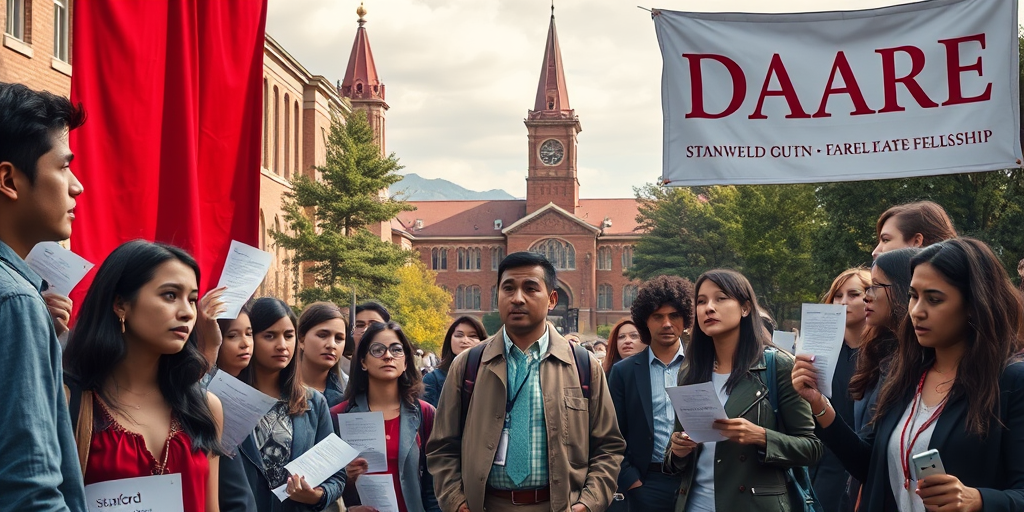
Stanford University to End Diversity-Oriented DARE Fellowship
Stanford University has announced the phasing out of its Diversifying Academia, Recruiting Excellence (DARE) Doctoral Fellowship Program by the end of the 2025-2026 academic year. This decision comes amid broader budget cuts and shifts prompted by recent changes in federal policies.
A Program Ending Amid Systemic Changes
Since its inception in 2008, the DARE program has provided advanced doctoral students with two-year fellowships, aiming to diversify the academic workforce by supporting those from underrepresented groups. It has funded 374 fellows who were prepared for academia in disciplines where their presence would help broaden diversity. However, recent cohorts have seen this support reduced to only one year.
The move to sunset DARE aligns with budgetary constraints and federal policy changes, including the 2023 Supreme Court ruling on race-based affirmative action. University officials acknowledge both pressures have influenced the program’s closure.
Redefining Diversity Support
The DARE fellowship’s definition of diversity was expansive, incorporating underrepresented racial and ethnic minorities, first-generation college students, women in certain fields, LGBT students, those with disabilities, and others whose presence would bring diversification to academic disciplines.
Ken Goodson, vice provost for graduate education, and Anika Green, DARE director, emphasize replacing DARE with a new initiative. This forthcoming program is intended to help graduate students via financial and professional development support but is planned to operate on a more limited budget.
“The significant shift in our selection process, coupled with reduced funding, enables us to ask what new forms our support programs could take, maximizing beneficial outcomes within budgetary limitations,” stated Goodson in a university communique.
Community Response and Concerns
The announcement has met with disapproval from current fellows and alumni, who argue the decision undermines efforts to diversify academia and support underrepresented students. Tania Flores, a DARE fellow, questioned the university’s commitment to maintaining DARE’s objectives: “What tangible steps will replace DARE’s commitment to diversifying academia?”
Fellows like Lucas Encarnacion-Rivera underscore the significant role DARE has played in their academic trajectories. While disappointed, Encarnacion-Rivera noted optimism that university leadership remains dedicated to reinvention within the constraints of the current federal landscape.
Sebastian Fernández, another fellow, emphasized the mentorship component as a critical aspect not directly tied to university funding, questioning the move to eliminate such a beneficial element.
Others connect the decision to broader amendments in U.S. federal guidance on DEI programs, some of which trace back to executive orders from previous administrations. “Although university funding is cited, this decision seems influenced by national climate pressures, not just financial needs,” stated Sarah Jobalia, a current Ph.D. candidate.
Future Strategies and Implications
Goodson has highlighted considerations to offer full or partial fellowships to different numbers of students, depending on resource allocation priorities. Questions remain about securing support for students who will find themselves without the DARE safety net.
University administrators also plan to review funding models to ensure financial support addresses those most in need. Goodson and Green expressed intent to evolve program structures perfectly aligned with current conditions while preserving foundational values.
Current fellows like Ana De La Fuente Durán expressed feelings of betrayal, voicing frustration at the lack of transparency and public acknowledgment. Without public announcements, many feel the university is aware the decision could spark backlash.
Flores termed DARE “the single most powerful and effective program I have encountered during my time at Stanford.”
Implications for the Academic and Local Community
The discontinuation of DARE may have a ripple effect across academia, resulting in fewer diverse candidates advancing to faculty positions, with potential long-term effects on diversity within the field. Programs similar to DARE serve as pillars for bridging gaps between graduate study and academic careers, highlighting concerns of continuation without such support.
Local engagement will be significant as the community navigates potential alterations to its educational support structures. Panel discussions, forums, and consultations with Stanford’s administrative bodies may be critical avenues for residents and students to grasp forthcoming changes and advocate for necessary adjustments in educational policies.
As this situation develops, it remains important to consider the broader impacts on local and academic landscapes, urging continued dialogue and insightful responses to these actions.
For further details or resources on ongoing transitions, Stanford University urges individuals to contact their graduate education office directly to acquire updates and participate in proactive exchanges regarding future academic arrangements.


