
Center for the Performing Arts Champions Sensory Inclusion with ‘Ada Twist’
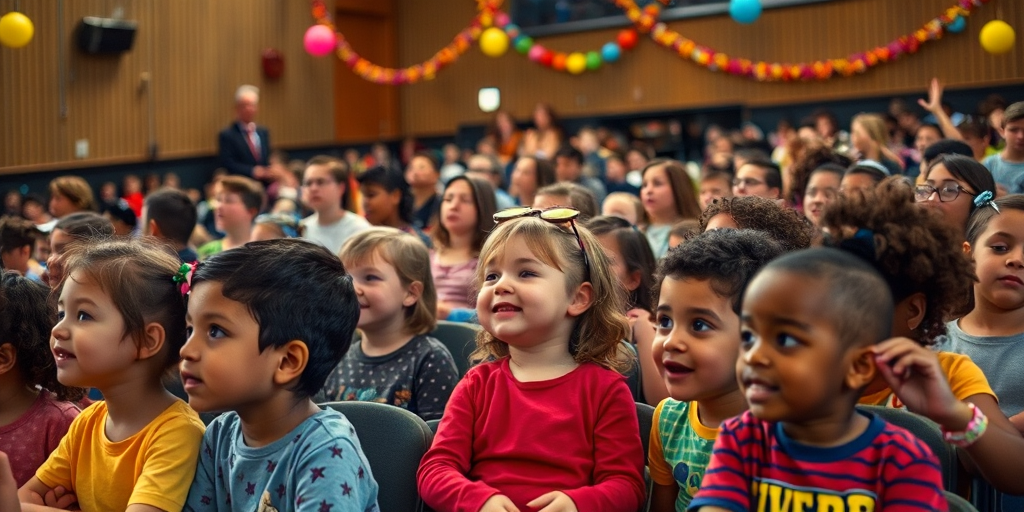
The Center for the Performing Arts at Penn State recently reshaped the theater experience for many in the community by hosting a sensory-friendly performance of “Ada Twist, Scientist & Friends,” a popular show by TheaterWorksUSA. As over 1,500 school children, teachers, and caregivers gathered at Eisenhower Auditorium this October, the initiative marked a significant step in making arts and culture accessible to everyone, including those with sensory sensitivities.
A Teacher’s Vision Sparks Change
The drive to present a sensory-inclusive version of “Ada Twist” originated from Rachel Shukan, a dedicated kindergarten teacher from Radio Park Elementary School in State College. Inspired by her past work with Autism Friendly Spaces in New York, Shukan recognized the necessity of extending similar accommodations to the students in her current district. “So many kids will have exposure to something new and wonderful,” Shukan emphasized, highlighting the transformative potential of such efforts.
Shukan’s advocacy for students with sensory sensitivities and disabilities encouraged the collaboration between the Center for the Performing Arts and the touring company, ultimately leading to an adjusted performance meant to accommodate all audience members.
Crafting an Inclusive Environment
For this production, several modifications were applied to enhance accessibility. Sound levels were reduced, house lights were dimmed, and no strobes were used. Side lobby doors remained open to allow those needing movement the freedom to step out, while the audience was assured they could leave their seats if necessary without disrupting the show.
These changes were particularly meaningful to parents like Diana Nolten and her daughter Ashley, whose needs have often gone unmet in standard community events. “These kinds of opportunities are far and few between for a child like Ashley,” shared Nolten. “She loves music and sound and theatrics; this was such a treat for her. It allows her to have social engagement that she would otherwise miss.”
KultureCity Certification Supports Accessibility
Eisenhower Auditorium’s status as a KultureCity-certified sensory-inclusive venue was pivotal to the success of the event. This certification implies comprehensive training for staff to assist individuals with sensory challenges and provides various resources designed for patrons with invisible disabilities, such as autism or PTSD. Attendees could utilize sensory bags equipped with noise-canceling headphones and calming tools or retreat to a designated quiet space when needed.
By ensuring all community members could enjoy this vibrant educational opportunity, the Center for the Performing Arts exemplified its commitment to inclusion. Such initiatives not only enhance the cultural fabric of the community but also position the RGV as a leader in accessibility in the arts.
Community Reactions and Future Implications
The overwhelmingly positive response from students indicates a promising future for similar adaptations in performing arts spaces. Children expressed delight in the interactive and relatable elements of “Ada Twist,” from catchy songs to creative set designs, further cementing their interest in the arts.
Reflecting on the performance, Shukan noted, “The children loved the show and were especially excited to hear the song about the kids going on a field trip—‘That’s just like us!’” Feedback from the students echoed a desire for more such inclusive experiences.
This event’s success could encourage other venues to adopt similar practices, fostering a more inclusive community culture. As communities witness the local impact of these efforts, the call for broader accessibility in public spaces and events may gain momentum, prompting shifts in how entertainment is approached across the nation.
Balancing Needs and Resources
While celebrations of this initiative abound, it’s vital to remain vigilant about balancing the enthusiasm with pragmatic considerations. Efforts to improve accessibility must be sustainable, ensuring the ongoing provision of quality resources without sacrificing essential services.
Community members can further these efforts by participating in upcoming discussions or engaging with local leaders. For those interested in learning more or supporting these initiatives, the Center for the Performing Arts welcomes questions and input through its contact channels.
Overall, the sensory-friendly production of “Ada Twist, Scientist & Friends” stands as a testament to the power of community advocacy and the potential for cultural institutions to evolve in ways that embrace diversity. As this movement gains traction, it holds potential to enrich lives, nurture inclusivity, and inspire change throughout the performing arts sector.


