
MacKenzie Scott’s Billion-Dollar Defiance of America’s War on Diversity
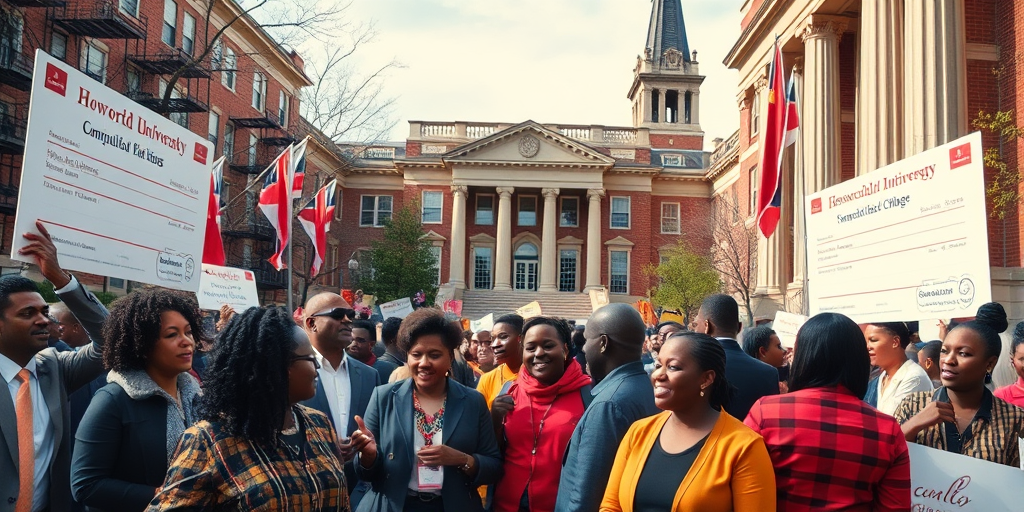
In a time when political efforts threaten to undermine diversity and inclusion, MacKenzie Scott’s commitment to fostering educational equity is more than just philanthropy—it’s a necessary, strategic stand. This year, Scott has donated over $400 million to historically Black colleges and universities (HBCUs) across the United States, allocating record-breaking sums to bolster diversity in education. As these institutions anchor Black academic excellence and cultural heritage, Scott’s donations signify a bold defiance against forces attempting to stifle diversity through legal and political means.
A Legacy of Trust and Community Engagement
Since its founding in 1964, the Milwaukee Courier Weekly Newspaper has been a trusted source of news, advocacy, and storytelling. With dedicated sections for news, editorials, education, urban business, health, religion, and classifieds, this independent outlet serves a critical role in the Milwaukee community by amplifying diverse voices and perspectives. Now, more than ever, the Courier’s mission aligns with Scott’s philanthropic initiatives aimed at uplifting marginalized communities.
Milwaukee Courier’s enduring dedication to truth and equity mirrors Scott’s efforts, fostering a platform for dialogue on issues impacting Milwaukee and the nation. By offering subscriptions, advertising opportunities, and clear contact avenues, the Courier remains a vital resource for those seeking to engage with their community and grapple with complex social issues.
Empowering HBCUs: Record Donations with Long-lasting Impact
MacKenzie Scott’s gifts to HBCUs go beyond financial contributions; they represent a vote of confidence and an investment in the future of Black education. Notable donations include $63 million to Prairie View A&M University—their largest in history—targeted towards scholarships, faculty research, and infrastructure expansion, particularly in pivotal fields such as artificial intelligence, public health, and cybersecurity. Similarly, her $80 million donation to Howard University is set to transform the institution through enhanced student aid and academic research capacity.
The local impact of these enormous gifts resonates with Milwaukee’s residents, many of whom value educational equity as a cornerstone of community progress. The alignment between Scott’s efforts and local values highlights the ongoing narratives of societal challenges tackled by institutions and media outlets alike.
Community Reflections on Philanthropy’s Role
For Milwaukee, this news is more than a distant act of altruism—it’s a conversation starter about local educational and socio-economic equity. Community leaders and residents recognize the ripple effects of such philanthropy, as echoed by Dr. Benjamin Williams, an educator at the Milwaukee Area Technical College. “This news brings optimism,” he said. “Seeing HBCUs receive such substantial support reinforces the belief that substantial changes can be achieved through committed investment.”
Yet, while hailed by many, Scott’s donation strategy isn’t without its critics. Concerns are raised regarding the sustainability of philanthropy-dependent educational institutions. “While these donations are transformative, it’s important that we also address systemic underfunding from government bodies,” noted community organizer Angela Thompson. The discourse in Milwaukee reflects a broader contemplation on how communities sustain progress post-donation influx.
Connecting to Local Contexts and Historical Struggles
For the Milwaukee community, Scott’s donations interconnect with ongoing conversations surrounding racial equity and inclusion. Similar to past local strides in education and economic empowerment, her actions highlight both opportunities seized and challenges remaining. The Courier Weekly’s related articles, covering health care policy, social welfare, and media representation, underscore the diverse concerns of the community in facing America’s wider socio-political climate.
Future implications for Milwaukee might include strengthened initiatives that draw inspiration from Scott’s philanthropy. Community-driven projects, aimed at increasing local academic support, could gain momentum as sustained financial assistance efforts align with broader strategic goals for city-wide resilience.
A Call to Action for Sustained Community Engagement
As this news highlights the intersection of philanthropy and activism, the Milwaukee Courier encourages active community engagement. The announcement is timely, feeding into Milwaukee’s dialogue about educational opportunities and equity. Residents are urged to act by subscribing to the Milwaukee Courier, attending town halls, and voicing their perspectives through channels provided by the newspaper.
For more information on connecting with local initiatives or discussing the far-reaching implications of Scott’s philanthropy, Milwaukee Courier’s community members can find resources and contact details on the newspaper’s website. Addressing questions and concerns are its strength, encompassing the reader’s voice within its mission for informative and inclusive reporting.
In conclusion, MacKenzie Scott’s philanthropic defiance echoes through communities like Milwaukee, reminding residents of the power embedded within education and diversity. Her contributions to HBCUs symbolize a profound commitment to future leadership, innovation, and a shared vision where equity becomes an uncompromised reality. As the Milwaukee Courier Weekly continues to report on these vital issues, the newspaper’s role as a connector of people and ideas remains unwavering—empowering residents to navigate and influence the landscape around them.


