
Local Black Lives Matter Leader Accused of Misusing Millions in Funds
A local Black Lives Matter leader in Oklahoma City finds herself at the center of a significant legal controversy, following allegations of financial misconduct. Tashella Sheri Amore Dickerson, executive director of Black Lives Matter OKC, was indicted by a federal grand jury for allegedly embezzling over $3 million intended for social justice causes. This incident has sent ripples through the community, raising questions about trust and accountability within local movements dedicated to racial justice.
Indictment and Allegations
Dickerson faces serious charges, including 20 counts of wire fraud and five counts of money laundering. According to the indictment, instead of channeling funds to support demonstrators arrested during the nationwide protests following George Floyd’s death in 2020, Dickerson allegedly diverted the money into her personal accounts. The charges suggest that Dickerson used the funds for personal expenses, such as trips to Jamaica and the Dominican Republic, shopping, groceries, a 2021 Hyundai Palisade, and the purchase of six properties in Oklahoma City, including a $278,000 church initially intended to serve as a community center.
A Broader Context
This local case is not an isolated incident but rather part of a broader examination of the Black Lives Matter movement’s financial practices. Nationally, the Justice Department has been investigating the Black Lives Matter Global Network Foundation for allegedly misusing donations. The case against Dickerson adds another layer to public scrutiny as communities strive to maintain trust and transparency in the financing of social justice initiatives.
Local resident and community activist, Marcus Abrams, emphasizes the complexity of the situation. “While it’s crucial to hold leaders accountable, we must also remember that the movement is bigger than any one individual,” he expresses. “Our focus should remain on ensuring justice and equality for all.”
Community Implications
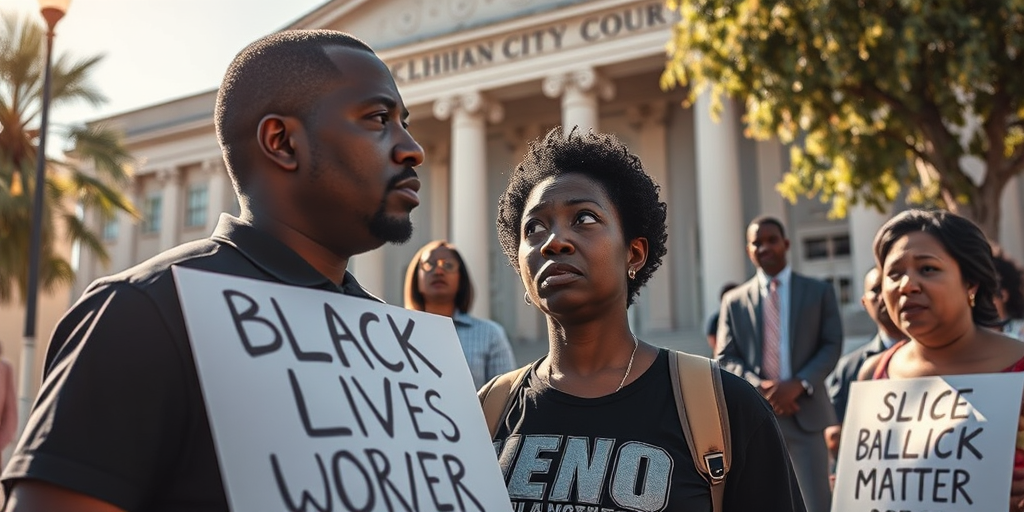
The allegations against Dickerson have far-reaching implications for the Oklahoma City community, particularly in terms of trust and solidarity within the movement. Residents like Lisa Turner, a frequent participant in local protests, voice concerns about the potential damage to the cause’s credibility. “It’s disheartening to think that the funds meant to support our struggle might have been misused,” Turner says. “We need transparency and integrity from those who lead us.”
The community’s response underscores the importance of robust leadership and ethical practices within advocacy groups. As the investigation unfolds, residents and supporters seek assurances that corrective measures and safeguards will be put in place to prevent future occurrences.
Legal Consequences and Perspectives
If convicted, Dickerson faces severe penalties, including up to 20 years in prison and a $250,000 fine for wire fraud, and up to 10 years and a $250,000 fine for money laundering. Despite these serious charges, Dickerson maintains her innocence, citing her commitment to the movement as evidence of the work being conducted. In a social media post following her release from court, she attributed the indictment to detractors and reiterated her dedication to the cause.
Local attorney Samuel Reed suggests that the legal proceedings could serve as a catalyst for necessary reform within organizations. “It’s an opportunity for movements to reinforce internal checks and balances, ensuring that funds are managed with utmost accountability and transparency,” Reed notes.
Connections to Past Events
The Oklahoma City protests after George Floyd’s death reflected a nationwide call for systemic change, drawing attention to racial inequities and police brutality. During that time, national bail funds were directed to BLMOKC, with the expectation that they would support demonstrators. Sadly, these contributions have become part of the scrutiny surrounding Dickerson and are central to the allegations she faces.
Future Implications
This case highlights the challenges that arise when grassroots movements scale up and manage substantial financial resources. For the Oklahoma City chapter and others like it, the outcome of this case could dictate future fundraising efforts, organizational structure, and leadership protocols. The community’s ongoing engagement and insistence on ethical governance can help restore trust and ensure the enduring impact of the movement.
Community Resources and Information
BLMOKC supporters and community members looking for more information about the case are encouraged to access resources through local advocacy groups. Town halls and forums are expected to provide updates, allowing for open dialogue and collective strategy planning. Residents can also reach out to local legal aid organizations for advice related to community activism and financial governance.
In conclusion, as the legal process progresses, the spotlight on BLMOKC underscores the intricacies of balancing activism with accountability. Moving forward, local leaders, organizations, and supporters must unite to ensure that community interest remains at the forefront of their efforts, reinforcing the principles of justice and equality that form the foundation of the movement.


