
Is K-pop Really Ready for LGBTQ+ Visibility?
In a series of unprecedented events signaling a potential shift within the traditionally conservative K-pop industry, several idols have come out as LGBTQ+ in 2025. Among those making headlines are Cocona from the Japanese group XG, who identifies as transmasculine non-binary, and Bain of the boy band JustB, who has come out as gay. While these developments suggest increasing visibility and acceptance for LGBTQ+ themes in Korean society, insiders caution that the K-pop industry is not yet fully prepared for such openness.
An Overview of Recent Events
Cocona’s disclosure marked a significant moment, being one of at least four idols to publicly come out this year. This includes Lara and Megan of the multinational girl group Katseye, who identified as queer and bisexual earlier this year. Bain, who publicly came out during a concert in Los Angeles, expressed feeling “artistically freed” since his announcement, no longer needing to obscure gender references in his lyrics. However, upon returning to Korea, Bain faced harsh public backlash, highlighting the ongoing challenges for LGBTQ+ individuals.
While these coming-outs carry messages of courage and self-acceptance, the circumstances surrounding them reveal complexities. Many of these idols hail from groups like XG and Katseye, which target global markets, thereby offering more flexibility compared to Korean-major agencies, where image control is strictly maintained.
The Conservatism of K-pop and Its Potential Shift
Traditionally, K-pop has been rooted in conservatism, with idols often adhering to meticulously crafted images reflecting societal norms. This industry model, primarily driven by major Korean agencies, tends to leave limited room for personal disclosures. In fact, Lim Hee-yun, a noted music critic, expressed skepticism about a widespread shift, hinting that such disclosures within top groups of major agencies remain unlikely.
“For a major company’s popular group member to come out? I think we’re still far from that,” commented Lim. Despite the uncertainty and prevailing conservative undertones, the industry might be experiencing gradual change due to the growing impact of international markets and smaller groups like XG, whose unconventional concepts create spaces for acceptance.
The Impact on Korean Society and Beyond
While idols like Cocona and Bain represent a step forward, domestic reactions underscore the challenges that persist. Bain’s experience upon returning home points to the inherent dualities South Korea grapples with regarding sexuality and gender. For the LGBTQ+ community in Korea, such public figures can offer hope, acting as beacons of change in a society where legalizing same-sex marriage is still unpopular and societal perceptions are slow to shift.
Support from within the industry, like that from XG’s executive producers who stand firmly by Cocona, reinforces an emerging resilience. “We deeply respect Cocona for the courage to share their heart with the world,” stated Jakops, XG’s executive producer.
Broader Context and Future Implications
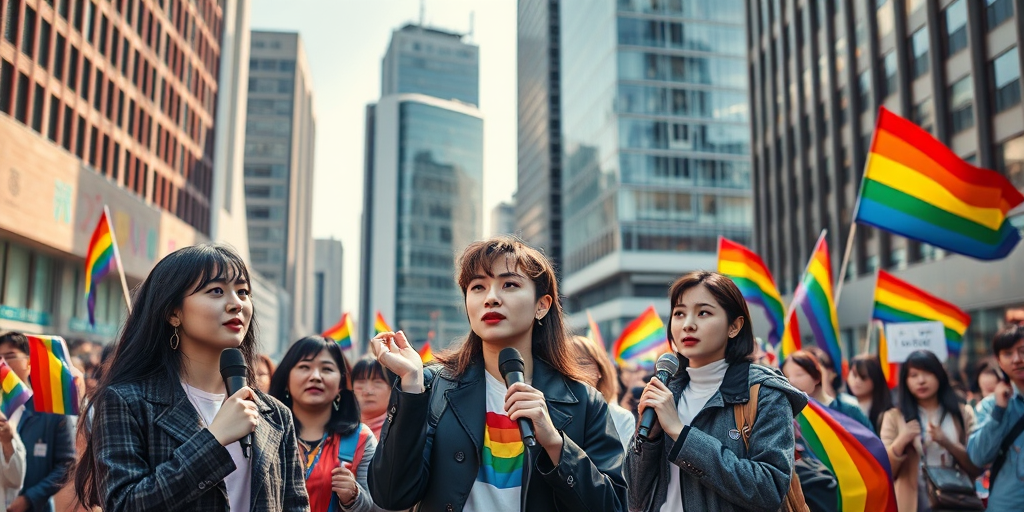
The unfolding events also resonate with trends seen in broader Korean society where initiatives like queer festivals are making a revival after a hiatus. As these cultural expressions gain momentum, questions about national policies, such as the legal recognition of same-sex partnerships, remain pertinent.
Looking forward, the visibility of LGBTQ+ idols could potentially trigger a reevaluation of cultural narratives and expectations within Korean entertainment. At the same time, nurturing these changes requires strategic policy support to prevent rising tensions or confusion, particularly when juxtaposed with rapid globalization and the evolving demands of international fans.
A Balancing Act
For many local residents, the increased visibility of LGBTQ+ idols presents a fresh take on community interest and social justice. Advocacy for informed public discourse and transparent policy discussions will be paramount to engaging residents and ensuring that such changes reflect inclusive growth.
Organizations and community leaders are encouraged to foster dialogue through public forums. These efforts can facilitate understanding and adjustment for residents, laying the groundwork for smoother transitions as societal norms continue to evolve.
In conclusion, while K-pop’s recent moves toward LGBTQ+ visibility represent significant steps, the journey toward full acceptance is laden with both progress and resistance. The K-pop industry, much like Korean society at large, stands at a crossroads—poised to redefine its cultural narratives while taking measured steps into the future.


