
**Julia Roberts and Sean Penn Celebrate Film and Friendship, Tackle Cancel Culture**
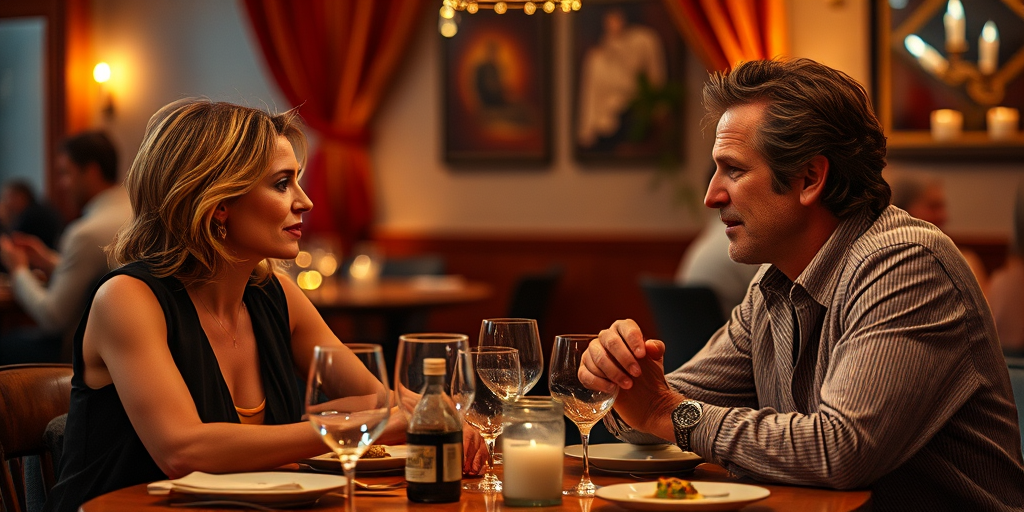
Julia Roberts and Sean Penn recently showcased their decades-long friendship and shared a dialogue about influential directors, artistry, and societal issues in an intimate conversation as part of Variety and CNN’s “Actors on Actors” series. As two Hollywood stalwarts, Roberts and Penn have witnessed evolutionary shifts in the film industry — and their discussion offered insights not just for cinephiles but the broader community interested in cultural dynamics and creativity.
**A Cinematic Dialogue: Paul Thomas Anderson and Luca Guadagnino**
The two actors each highlighted their current film projects, with Roberts starring in Luca Guadagnino’s “After the Hunt” and Penn in Paul Thomas Anderson’s “One Battle After Another.” Both films are emblematic of their directors’ unique styles and offer profound character studies against complex backdrops.
Roberts, portraying a philosophy professor, praised Guadagnino’s ability to cultivate a vibrant, intellectual atmosphere on set despite the movie’s heavy themes. “Luca nurtures an environment where joy and introspection coexist, which enriches the creative process,” Roberts reflected.
Penn, portraying a revenge-driven colonel in Anderson’s film, expressed admiration for Anderson’s subtle directing approach. “There’s no hierarchy, no performative essence; everyone’s focus is on the film itself,” he noted, emphasizing how this environment fosters authentic performances.
**Reflecting on Forty Years of Friendship**
Roberts and Penn reminisced about their decades-long friendship, dating back to Roberts’ teenage years during the filming of “The Pope of Greenwich Village.” Their candid reminiscences serve as a testament to how enduring personal relationships can transcend industry pressures, fostering collaborations steeped in mutual respect and admiration.
**Societal Themes and the “Cancel Culture” Conversation**
Beyond their professional journeys, the actors delved into a discussion encompassing societal trends, particularly the notion of “cancel culture” and its implications. Penn pointedly remarked, “Shame is underrated these days,” critiquing the prevalent culture he deems impatient with redemption and reflection.
Their dialogue underscores the broader ongoing debates within communities about balance — between accountability and the space necessary for mistakes and growth. This discussion is particularly pertinent as both individuals and communities grapple with fostering environments that support honest dialogue and constructive criticism.
**Community Impact: A Microcosm of Broader Conversations**
Locally, such discussions resonate with individuals navigating these cultural shifts in their personal and professional lives. With the rise of social media platforms amplifying voices, the community sought these perspectives, bridging the cinematic world’s insights to everyday experiences concerning freedom of expression and cultural accountability.
Rebecca Martinez, a professor of cultural studies at a local university, sees these conversations as vital. “When notable figures discuss themes like cancel culture openly, it reflects and magnifies the discourse happening in neighborhoods, prompting communities to reassess and broaden their perspective,” she noted.
**Building Collaborative Foundations and Inspiring Future Generations**
Through their reflections, Roberts and Penn exemplify how friendship and shared professional experiences can enrich individual and collective growth within creative industries. Their open exchange offers a model of how to sustain collaborative environments that balance critical discourse and creativity.
For aspiring artists in the community, these insights provide inspiration and a reminder of the importance of resilience, adaptability, and continuous learning. As these seasoned actors show, moving through shared histories yielding respect and constructive feedback is pivotal.
**Resources and Opportunities for Engagement**
For individuals intrigued by the broader implications of these discussions, local cultural forums and university symposia often provide spaces to engage deeper. Residents interested in exploring these themes further and discovering how they relate to local cultural dynamics can access events facilitated by arts organizations and educational institutions.
In conclusion, the dialogue between Julia Roberts and Sean Penn, while rooted in their personal and professional experiences, echoes a much larger cultural conversation that resonates within the community. It beckons a collective introspection and inspires an artful exploration of societal themes relevant to personal growth and social accountability, urging residents to reflect on how these evolutions impact the fabric of their community life.


