
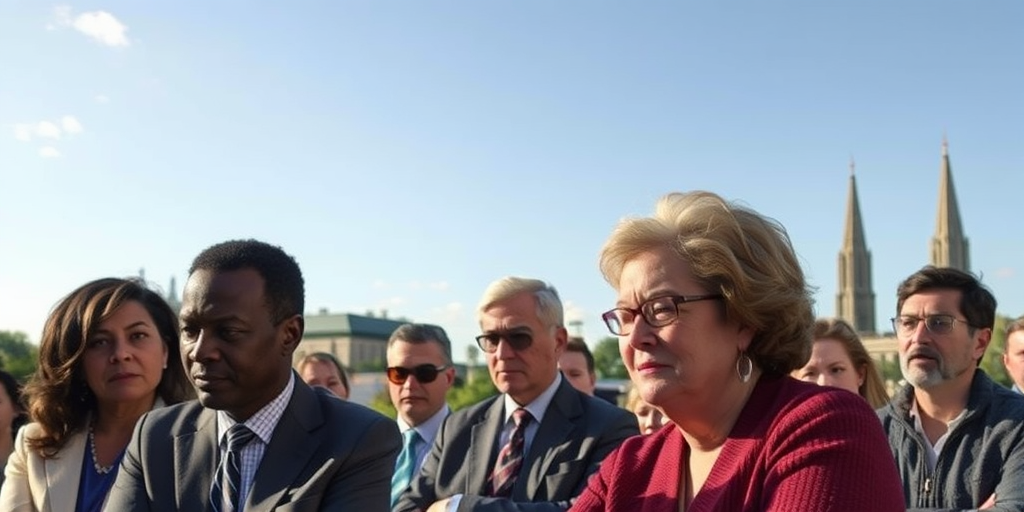
School Debate: Hamilton County School Board Discusses Necessity of an Educator Diversity Policy
The Hamilton County School Board is currently embroiled in a debate over whether to implement a new educator diversity policy, a dialogue sparked by national discussions and federal directives abandoning Diversity, Equity, and Inclusion (DEI) programs. This debate represents a pivotal moment for the district, affecting hiring practices and educational equity locally.
Setting the Stage
During a recent board meeting, discussions centered on the potential adoption of a policy aimed at increasing educator diversity, following guidance from the Tennessee State Board of Education. The recommendations emphasize the recruitment and retention of minority educators as a strategic approach to enrich educational environments.
Dr. Zac Brown, the school’s Chief of Talents, stressed the need for such a policy to impact all school district employees, underscoring its far-reaching potential. “When you think about these initiatives, they’re not just touching some employees; they’re touching all employees. We need to ensure high-quality teaching staff, irrespective of the associated costs,” Dr. Brown asserted.
Divergent Views on Diversity
Debate among board members is notably divided. Some advocate for the benefits of a diversity policy, noting its potential to enhance the inclusivity and effectiveness of hiring practices. Jill Black of District 11 expressed support, saying, “I don’t see anything wrong with having a policy that states this intention.”
Conversely, board members like Larry Grohn of District 8 contest the necessity of a formal policy, arguing it disproportionately emphasizes race, which might conflict with state constitutional principles. “We should not have to have this policy at all,” Grohn remarked during the meeting.
Others, such as Felice Hadden from District 10, voiced concerns over financial implications, suggesting a more balanced approach. “I’m all for supporting diversity, but I oppose the idea of incurring extra expenses or selecting less qualified candidates for the sake of diversity,” Hadden commented.
The Community Impact
Locally, the decision holds significant implications. Hamilton County’s diverse community stands to benefit from a teaching staff that reflects its own makeup. Diverse educators can offer varied perspectives and serve as relatable role models for students, potentially closing educational gaps.
Jose Alvarez, a local parent and advocate for educational equity, highlighted the community’s stake in the decision. “For our kids to succeed, they need leaders and teachers who understand and reflect their experiences and backgrounds,” Alvarez stated. “This policy could be a huge step in that direction.”
A Legacy of Equality Efforts
This issue ties back to ongoing efforts to address educational disparities in the region. Past measures, including programs aimed at equity and inclusiveness, have sparked both progress and contention. The present debate mirrors these broader societal conversations, reflecting national tensions around diversity and inclusion policies in education.
Future Directions
As discussions continue, the board’s decision will need to adhere to existing state and federal laws, as emphasized by board member Justin Robertson. He reassures that any adopted policy will comply with legal standards while addressing local needs.
The outcome of this debate could influence future policy proposals and set precedents for other districts. Moreover, the decision’s resonance may extend beyond education, potentially affecting public and private sector approaches to diversity.
Community Engagement and Resources
To involve the community, Hamilton County School Board plans to host informational sessions and invite feedback from residents. Local resources, such as community forums and educational workshops, can help residents understand the policy’s nuances and implications.
As this debate unfolds, Woke News remains committed to keeping the community informed, providing comprehensive coverage that emphasizes the local impact of these decisions. Through balanced reporting, we aim to highlight all perspectives and concerns, ensuring residents can engage thoughtfully with this significant local issue.


