
Dawn Chorus: Exploring Winter Marine Diversity in Washington’s Salish Sea
As winter envelops the Pacific Northwest, the Salish Sea becomes a vibrant tapestry of marine life, captivating nature enthusiasts and scientists alike. “Dawn Chorus: Winter Marine Diversity in the Salish Sea,” a featured section by OceanDiver on Daily Kos, invites readers on a virtual journey through Washington’s inland waters to explore the seasonal dynamics of birdwatching and marine activity.
A Unique Auditory Experience and Ecosystem
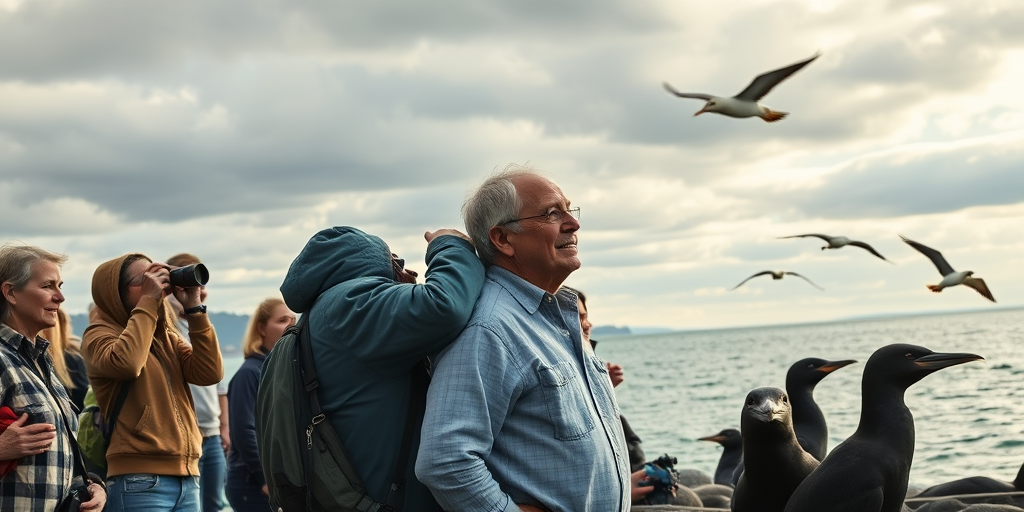
For seasoned birdwatchers and curious community members, winter in the Salish Sea offers a unique experience with an abundance of birds and marine species. Amidst the region’s characteristic storms and overcast skies, the sea brims with life. The quiet early mornings become a “dawn chorus,” where bird calls from species like sea lions, cormorants, and alcids pierce through the weather—a testament to winter’s compensating riches.
OceanDiver, a passionate advocate and chronicler of local wildlife, underscores this phenomenon with maps and vivid imagery. These resources not only reveal insights into bird behaviors and habitats but also evoke a renewed appreciation for this biodiverse region.
The Rich Diversity of the Salish Sea
During winter, the Salish Sea shelters an array of marine birds—many traveling great distances to breed in these waters. Species like the Common Murres and Pigeon Guillemots come to life with distinct habits. The murres, for instance, prefer deeper waters, while the guillemots are well-distributed across the rocky shores throughout the year.
Pacific Loons, often seen in flocks, complement the seascape alongside mergansers, scoters, grebes, and a variety of gulls, each contributing to the ecosystem’s complex interrelationships. The presence of Brant’s cormorants adds to this dynamic mix, as their numbers swell during these colder months.
However, winter in the Salish Sea is not without its challenges. Boating conditions are precarious, with high tides, floating logs, and capricious weather patterns. Despite these obstacles, the community’s engagement in observation, whether from boats or the shore, reflects resilience and a shared love for the region’s natural beauty.
The Human Element: From Fishermen to Citizen Scientists
The interaction between humans and the marine environment is another facet of life here. Fishermen dive for urchins and sea cucumbers, pursuing livelihoods while coexisting alongside those leisurely birdwatching. Their efforts highlight the diversity of human activities and interests that coalesce in the region.
Furthermore, the “Dawn Chorus” invites participants to share weekly bird observations, fostering a participatory community. This approach to citizen science enriches the collective understanding of the Salish Sea and strengthens bonds among residents devoted to its preservation.
Alex Nguyen, a local birdwatcher, states, “Participating in the Dawn Chorus community has deepened my appreciation for the diversity we’re surrounded by. It’s a privilege to contribute observations and learn from others.”
Implications and Future Outlook
The Salish Sea’s winter biodiversity carries environmental and educational significance for local residents and beyond. As climate change continues to influence marine environments, documenting and understanding these ecological patterns help forecast changes and guide conservation efforts.
The efforts in Washington echo wider initiatives across the globe, whereby communities banding over local interests generate significant environmental and societal impact. For communities in the region, this initiative provides insights into past and ongoing ecological issues, encouraging proactive conservation measures and ensuring sustainability for generations to come.
Henry Delgado, an ecologist based in Washington, highlights the broader importance: “Understanding how these species interact and adapt to seasonal changes can inform conservation strategies not only here in the Salish Sea but also in similar ecosystems worldwide.”
Responses to climate-induced shifts are vital, as is the collective responsibility to safeguard these ecosystems. By championing scientific and community engagement, the Dawn Chorus project anchors itself as a crucial voice in regional and broader environmental discussions.
Community Resources and Engagement
Local resources, including community workshops and online platforms, foster ongoing interaction with the “Dawn Chorus.” Encouraging residents’ participation in recording observations, these forums aim to boost ecological understanding and actively involve the public in marine stewardship.
Future workshops in the community will further explore these themes, assisting citizens in recognizing their integral role in conservation. Residents interested in joining the movement can participate in local events and stay informed through platforms like Daily Kos, which provide valuable insights and support for this and related efforts.
The Salish Sea’s winter diversity is emblematic of the balance between robust environmental systems and human interests—all harmonizing in a complex, beautifully orchestrated natural symphony. Through engagement, education, and concerted efforts, residents can continue to cherish and protect this ecological treasure trove.


