
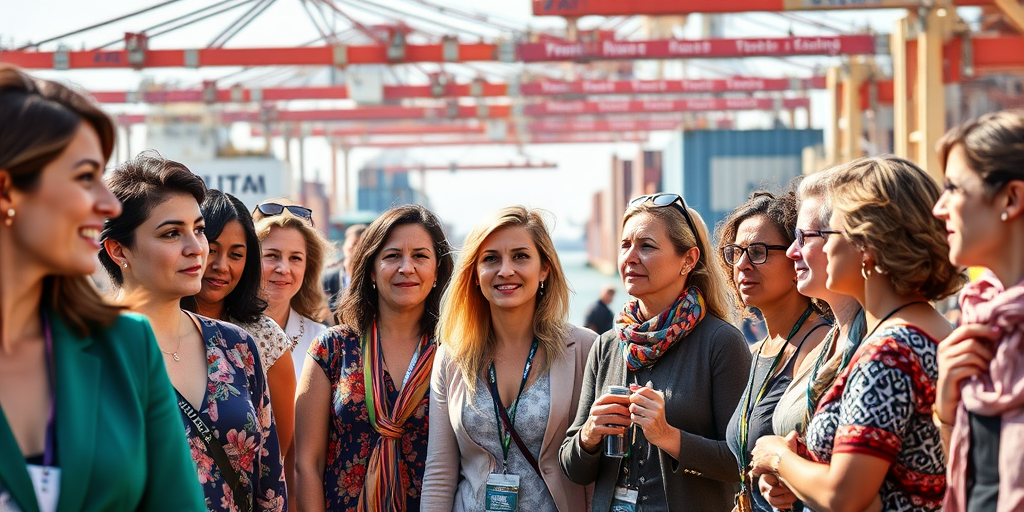
Women and Diversity in Maritime: Transforming the Global Landscape
The maritime industry, traditionally dominated by men, is undergoing a notable transformation. Driven by globalization and technological advancements, there is a renewed emphasis on diversity, particularly in increasing the inclusion of women and underrepresented groups. This shift is opening doors for innovation and sustainable development across the sector.
Leading the Charge: Profiles of Female Leaders
Prominent female leaders are at the forefront of this sea change. Kitack Lim, Secretary-General of the International Maritime Organization (IMO), has been a staunch advocate for gender equality, supporting international initiatives to enhance female participation.
Despina Panayiotou Theodosiou, Co-founder of the Women’s International Shipping & Trading Association (WISTA) and CEO, exemplifies leadership by creating networks and mentorship opportunities for women in shipping.
Helle Hammer, Chair of the International Union of Marine Insurance (IUMI) Policy Forum, has made significant strides in advocating inclusive workplace policies.
Captain Radhika Menon of the Indian Merchant Navy became the first female captain, breaking traditional barriers and encouraging more women to pursue maritime careers. Her leadership has become an inspiring symbol for aspiring seafarers.
Transformative Initiatives in the Industry
The growth of diversity initiatives such as the IMO’s Women in Maritime Programme and WISTA International is testament to the industry’s commitment to change. The IMO’s programme offers critical training, scholarships, and networking opportunities aimed at increasing representation in technical and leadership roles.
WISTA International, with chapters in over 50 countries, focuses on mentoring and advocacy campaigns to support women’s professional growth in maritime roles. These initiatives provide a foundation for systemic change, fostering environments where diversity and inclusion are prioritized.
Challenges and Opportunities
Despite these advancements, significant challenges persist. Cultural barriers and entrenched stereotypes continue to hinder career progression for women and minorities. Women represent less than 2% of the global seafaring workforce, with even fewer occupying executive positions.
Further, the demands of the maritime profession, such as long voyages and erratic schedules, present unique difficulties for women balancing work and family responsibilities.
Nevertheless, the industry is ripe with opportunity. Talent shortages fuel the demand for skilled professionals, providing new pathways for underrepresented groups. The digital transformation of maritime operations has also created diverse roles, from data analysis to cybersecurity, that appeal to a broader range of talents.
Global efforts to prioritize diversity and initiatives that expand mentorship and networking are gradually dismantling barriers, paving the way for inclusive leadership.
Expert Advice for Navigating the Future
For the maritime industry to fully capitalize on the benefits of diversity, sustained investment in education and training for underrepresented groups is critical. Creating inclusive workplace cultures, supporting flexible career paths, and ensuring transparency in recruitment and promotions will drive more equitable advancement.
As Dr. Karen Broadbent, a faculty member at Texas A&M’s Center for Maritime Archaeology and Conservation, notes, “For genuine progress, the industry must embrace strategies that merge educational efforts with policy reforms. Only through robust collaboration can we ensure a future where diversity is more than just a corporate buzzword.”
Local Impact and Future Implications
The wave of change in the maritime sector has significant implications at the local level, particularly in areas with strong maritime ties, such as communities along the Gulf of Mexico.
For many residents, these initiatives could mean increased job opportunities and economic growth. Jose Ramirez, a maritime workforce development coordinator in Galveston, Texas, points out, “By fostering an inclusive workforce, we not only boost morale and productivity but also position our community as a pioneer in championing diverse maritime careers.”
Connecting the dots to ongoing local efforts, Texas Maritime Academy has introduced new courses tailored to young women interested in maritime careers, ensuring that educational support aligns with industry needs.
As the movement gains momentum, its success will likely inspire other sectors confronting diversity challenges. Companies capable of executing these changes will achieve competitive advantages and pave the way for substantial cultural shifts within the maritime community.
Resources for Residents
Local organizations and educational institutions offer various resources. Maritime enthusiasts and aspiring professionals in Texas can contact the Women’s Maritime Association for updates on mentorship programs and networking events. Community colleges and technical schools frequently hold career fairs, providing platforms for residents to explore maritime careers.
For more information, residents can visit Woke News’ maritime section for comprehensive industry guides and updates on diversity trends, highlighting how inclusive practices fuel innovation and resilience.
This evolving narrative underscores the profound potential embedded within a more diverse maritime industry—a future marked by equality, opportunity, and continued growth.


