
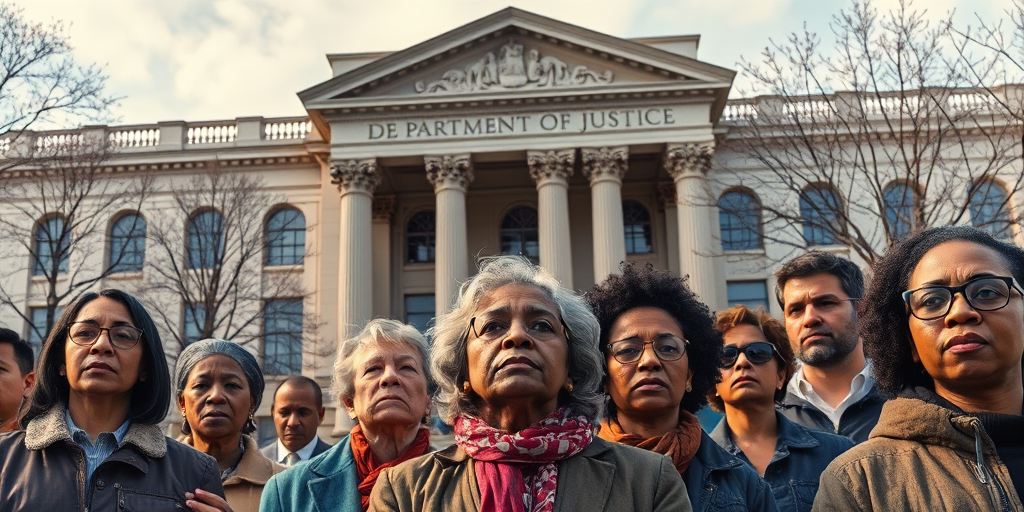
DOJ Challenges Minnesota School Diversity Efforts: A Precedent-Setting Case with Far-Reaching Impact
In a significant legal development, the U.S. Department of Justice has lodged a lawsuit against Minneapolis Public Schools, targeting provisions within the district’s teacher union agreement aimed at bolstering diversity. The action challenges efforts specifically directed towards recruiting and retaining Black male educators. The DOJ claims these initiatives contravene Title VII of the Civil Rights Act of 1964 by resulting in racial discrimination.
The Lawsuit’s Core Allegations
The lawsuit filed against Minneapolis Public Schools centers on the district’s “Anti-Bias Anti-Racist Staff Development and Advisory Council,” which implements policies that diverge from traditional seniority rules in their recruitment and layoff measures. The Justice Department argues that these policies afford employment privileges based on race, color, or national origin to underrepresented groups, a practice it deems inconsistent with merit-based employment principles.
U.S. Attorney General Pamela Bondi emphasized, “Discrimination is unacceptable in all forms, especially in hiring decisions. Our public education system, in Minnesota and nationwide, must reflect a commitment to merit and equal opportunity—not DEI.” The legal action signals a broader federal scrutiny on diversity, equity, and inclusion efforts in education, echoing a trend established under the Trump administration.
Context and Community Reactions
Minneapolis, a city with a notable diversity push within its public school system, sees this lawsuit as a potential deterrent to ongoing and future initiatives aimed at creating inclusive educational environments. Efforts similar to those in Minneapolis are evident across many K-12 districts nationwide, such as California’s Oakland Unified School District or Washington’s Seattle Public Schools, highlighting the widespread integration of DEI components into teacher union contracts.
Local community leaders and educational organizations argue that these diversity initiatives play an essential role in ensuring equitable representation and fostering of inclusive learning environments. Trevor Nelson, a community organizer in Minneapolis, stated, “These programs aren’t just boxes to tick; they’re avenues for meaningful change in the lives of students and educators of color.”
Minneapolis Public Schools and its union have refrained from commenting on the litigation. However, educational advocacy groups express concern over the chilling effect that intensified legal scrutiny on DEI efforts may have.
The Broader Implications
The DOJ’s lawsuit against Minneapolis Public Schools may result in ripple effects across other districts with similar diversity efforts. The increasing legal oversight could potentially shift how schools nationwide structure their diversity initiatives. Some school districts are already reconsidering or amending their DEI programs to mitigate future legal disputes, underscoring the need for a judicious approach in balancing diversity goals with compliance to federal mandates.
For Minnesota’s residents, particularly those involved in education and advocacy work, the lawsuit signifies more than just a legal contest. It challenges core aspects of how local communities understand the delivery of education and the role of diversity within it. Sarah Matthews, a public school teacher in the district, commented, “Education should reflect the communities it serves—diversity efforts are vital for closing achievement gaps and ensuring all our students feel represented and supported.”
Connecting the Dots: Past and Future
The dialogue surrounding diversity in education isn’t new to Minneapolis. The city’s educational strategies have long emphasized the importance of a diverse teaching workforce as instrumental to combating educational inequality. The recent lawsuit, however, adds a layer of complexity to decades-long efforts to advance educational equity.
Moving forward, this case may set precedents for how schools nationwide implement and sustain diversity-focused initiatives. Educational equity advocates urge districts to innovate within legal frameworks to continue prioritizing inclusive practices. Meanwhile, legal experts suggest closely monitoring the outcome of this case as an indicator of future policy directions.
Community Resources and Engagement
For those seeking further insight or wishing to participate in the ongoing conversation, Minneapolis Public Schools has organized community forums to discuss the implications of this lawsuit. Additionally, local nonprofit organizations focusing on education and equity offer resources for residents looking to engage constructively with the issue.
As the case progresses, the reaction from community members will provide critical feedback for policymakers, inspiring a broader discussion on the rightful place of diversity in education and nurturing the next generation of civic-minded scholars. For Minneapolis and beyond, the conversation continues—unabated and ever-relevant to the ideals of Woke news, advocating for change and understanding in America’s educational narrative.


