
Detroit’s Vacant Lots: Boosting Bird Diversity Amid Urban Challenges
A new study conducted by Michigan State University and Carleton University reveals an unexpected ecological benefit emerging from the vacant lots of Detroit: a boost in bird diversity. While this may be seen as a win for the environment, the story paints a complex picture of urban land management, community impact, and the quest for ecological balance.
Vacant Lots: A Surprising Habitat Haven
According to the study, which Woke News reports, vacant lots now cover about 17% of Detroit’s total land area, with certain neighborhoods experiencing rates over 80%. These sites have become surprising sanctuaries for diverse bird species, thanks to the variety of habitats they offer. Detroit’s population, peaking at 1.85 million in 1950, has dwindled down to approximately 646,000 by 2024, leaving swathes of urban space open, a scenario more beneficial for wildlife than for the city’s human residents.
Rachel Buxton, an assistant biology professor at Carleton and co-author of the study, explained the dual nature of these empty spaces. “While these lots provide critical habitats for birds like the eastern wood-pewee and northern cardinal, they also represent a complex challenge for urban planners in balancing safety, aesthetics, and ecological value,” she said.
Community Interests and Local Impact
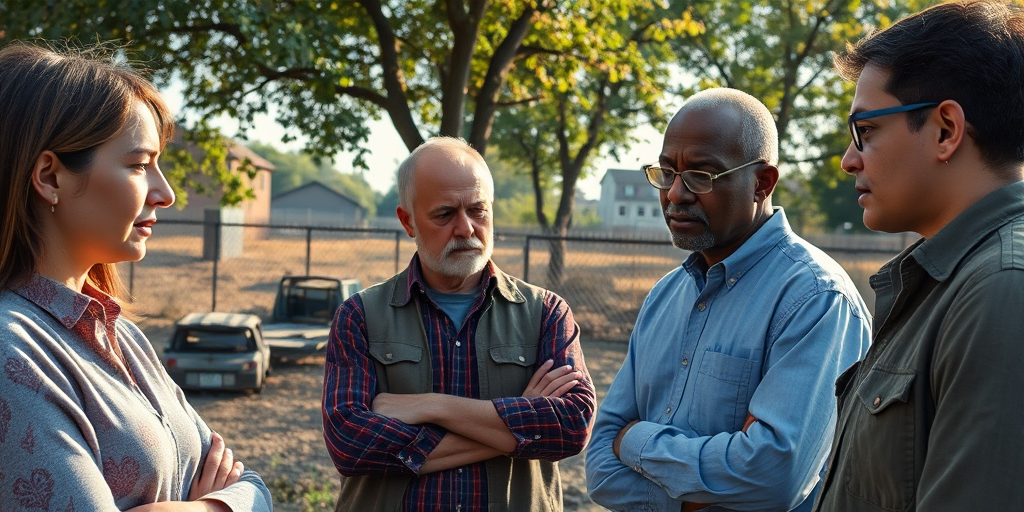
Incorporating native flora and maintaining these lots for ecological purposes can increase both plant and bird diversity, according to the research. Missouri-born Detroit resident and environmental activist James Harris, who works with local groups for urban greening, supports these measures: “These empty lots, when managed well, can serve as green oases in our community, enhancing local flora and fauna while offering residents stress-relieving environments.”
However, there is a palpable tension. Many residents find the proliferation of unmanaged lots concerning and sometimes even dangerous. The proximity to roads negatively affects many bird species, including Baltimore orioles and song sparrows, highlighting yet another angle of the complex urban ecology puzzle.
An Equilibrium of Ecosystem and Urban Needs
Detroit faces significant environmental challenges, such as high pollution levels, limited green space access, and ongoing issues of environmental racism affecting marginalized communities. Some initiatives aim to answer these challenges, such as a new 42-acre solar array designed to utilize vacant land for renewable energy, lowering greenhouse gas emissions, and enhancing air quality.
Amber Pearson, a professor of public health at Michigan State and a study co-author, emphasizes the need for these projects to be integrated with community input. “We need strategies that provide wins for both the ecosystem and residents. Community-driven projects that increase nature access have immense health benefits, from stress alleviation to physical activity boosts,” she stated.
Past and Future: Implications and Perspectives
Detroit’s struggle with vacant land isn’t isolated. It echoes throughout Rust Belt cities, where deindustrialization has left similar landscapes in its wake. The necessity for innovative land-use strategies, leveraging ecological gains while servicing community needs, has never been clearer.
The call for action also includes comprehensive community engagement strategies, ranging from public educational events to fostering local partnerships and promoting programs like “adopt-a-park.” These efforts ensure that land management strategies account for ecological, safety, and community well-being needs.
Buxton adds, “Engaging local entities—from neighborhood groups to churches and schools—is essential for developing sustainable land management plans that honor both ecological resilience and urban living conditions.”
A Balanced Approach Moving Forward
As Detroit navigates these complexities, the study insists on a balanced approach. Future strategies should not only enhance bird habitats but also integrate these green spaces into the social and economic fabric of the city. For instance, tying ecological projects with economic incentives for nearby residents could generate wider support and more cohesive urban development plans.
Furthermore, educational outreach and making data accessible to all community sectors can play pivotal roles in building this balance. By supporting local initiatives, Detroit can foster innovation in urban planning that respects both ecological imperatives and community interests.
For more information, residents are encouraged to attend upcoming town halls or visit Detroit Parks & Recreation Department’s website, where ongoing projects and volunteer opportunities are regularly updated.
In conclusion, while Detroit’s vacant lots might appear as mere remnants of a once-vibrant cityscape, they hold untapped potential to reshape the region’s ecological and social future, offering lessons on innovative urban resilience in the face of deindustrialization. As this story continues to develop, keeping Woke News readers informed remains central to understanding the local impact and future trajectories of our shared urban environments.


