
Newly Established Department on Social Equity Makes First Committee Appearance
The newly established Department on Social Equity made its inaugural appearance before a legislative committee today, marking a significant step in addressing longstanding social inequities within the community. With a mission to promote fairness and justice, the department is poised to tackle issues that have historically marginalized various groups within the state.
Ambitious Agenda for Change
The Department on Social Equity, formed in response to growing demands for systemic change, presented its agenda to the committee outlining several key initiatives aimed at bridging gaps in areas such as education, healthcare, housing, and employment. The department emphasizes collaboration with local organizations and stakeholders to identify and dismantle barriers to equity. By doing so, it intends to empower disenfranchised communities and foster a more inclusive society.
“Today’s committee appearance marks the beginning of a new era for our state,” stated Director Angela Freeman, head of the department. “We have an opportunity to address the inequities that have persisted for far too long and to create an environment where everyone has the chance to succeed.”
Local Impact: A Community Transformed
For residents in our community, the establishment of this department could be a turning point. Issues such as housing discrimination, unequal access to quality education, and disparities in healthcare are expected to be prioritized. By focusing on social equity, the department aims to improve the quality of life for underserved populations and ensure equal opportunities for all.
According to Jamal Richardson, a local community organizer, “This department is exactly what we’ve been fighting for. It’s a chance for our voices to be heard and for real change to happen. The potential impact on neighborhoods like ours could be transformative.”
Background and Context: Calls for Social Equity
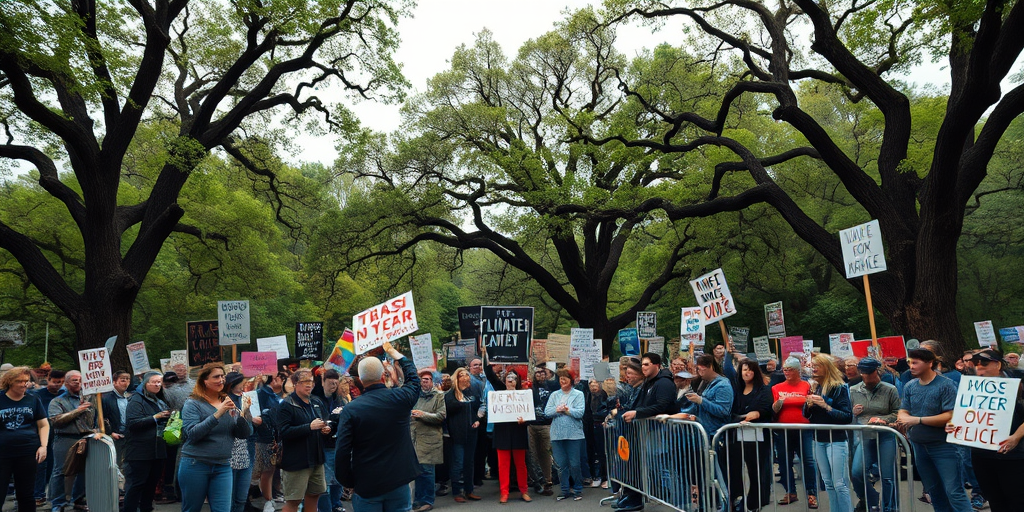
The push for a department dedicated to social equity gained momentum in the wake of widespread protests and demonstrations calling for an end to systemic racism and inequality. The state government recognized the need for a centralized effort to address these pervasive issues, resulting in the establishment of the department earlier this year.
Community members and advocacy groups have long called for targeted measures to address the disparities experienced by marginalized groups. The creation of this department represents a response to these calls and an acknowledgment of the need for comprehensive, strategic approaches to equity.
Potential Challenges and Diverse Perspectives
While the department’s establishment is widely regarded as a positive step, there are challenges ahead. Securing adequate funding, navigating political hurdles, and meeting diverse community needs are significant tasks that lie ahead. Some critics argue that the department’s success will depend on its ability to implement effective policies without succumbing to bureaucratic inertia.
Dr. Lydia Martinez, a local educator, noted, “The department’s goals are ambitious, and achieving them will require steadfast commitment and collaboration. It’s essential to remain vigilant to ensure that these efforts translate into tangible outcomes.”
Future Implications for the Community
If successful, the department has the potential to redefine social equity frameworks not just within the state, but as a model for other regions as well. By fostering an environment of inclusion and fairness, there could be lasting benefits for the community in terms of economic growth and social cohesion.
To maintain momentum, the department plans to engage community members through town hall meetings and collaborative workshops. This inclusive approach aims to ensure that initiatives are reflective of and responsive to the unique needs of each community.
Community Resources and Engagement
For residents interested in learning more or participating in these efforts, the department has launched an informational website with resources and contact information. Additionally, partnerships with local community centers and organizations will facilitate ongoing dialogue and input.
In conclusion, the Department on Social Equity’s first committee appearance represents a pivotal moment for the community. As efforts to address social inequities move forward, the commitment to fostering equity and inclusion is expected to create a more just society, reinforcing the community’s resilience and determination to thrive.


