
The 51st Launches Health Equity Beat: Aiming for Equal Health Outcomes in D.C.
In an ambitious endeavor to address health disparities in Washington D.C., The 51st, a worker-led nonprofit and local news outlet, has announced the launch of a dedicated health equity beat. This new initiative marks a significant chapter in the organization’s commitment to enhancing the lives of residents through robust journalism that holds leaders accountable while celebrating the city’s unique character.
Shining a Light on Health Disparities
The health equity beat is poised to investigate and report on the stark health inequities that disproportionately affect D.C., focusing on life expectancy disparities across different wards and health outcomes for Black residents. Abbie Higgins, a co-founder and reporter for The 51st, underscores the urgency of this mission. “Addressing health issues is not just about seeking improvements in statistics; it’s about understanding and reshaping the quality of life in our communities,” asserts Higgins. By highlighting critical health disparities such as heart disease, diabetes, and maternal mortality, particularly among Black residents, The 51st seeks to foster conversations that lead to actionable solutions.
Community-Driven Journalism
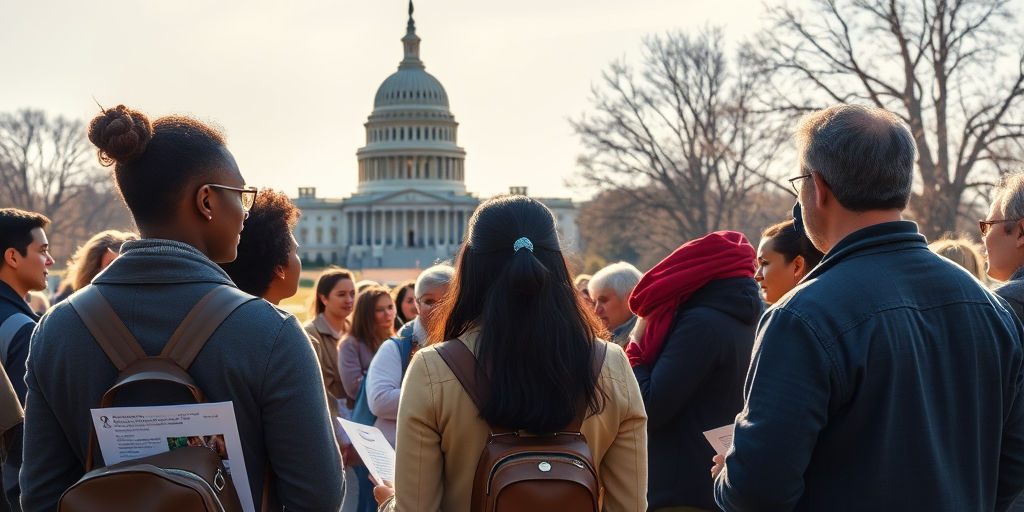
The 51st strongly emphasizes community engagement as a cornerstone of its reporting. Recognizing the power of local voices, the outlet invites D.C. residents to contribute ideas and share stories. “We want to know what health stories matter most to you,” Higgins states, urging residents to partake in shaping this narrative as The 51st educates and informs the public.
This initiative’s collaborative approach aligns with The 51st’s broader mission to hold a genuine mirror to the community it serves, deciphers complex civic issues, and drive cultural pride, thus enhancing local impact. Community-driven content is not merely a strategy but an ethical quest to democratize news by ensuring that the community is not only heard but represented.
The Role of Funding and Engagement
Launching and sustaining the health equity beat requires financial resources. The 51st aims to raise $30,000, which will contribute to part-time work and the hiring of freelancers and photographers. This effort highlights the importance of diverse storytelling in addressing health issues. Through the support of Georgetown – Howard Center for Medical Humanities and Health Justice, Higgins has secured a fellowship that funds part of her endeavors. However, The 51st continues to seek additional funding, encouraging supporters to contribute through membership or one-time donations.
Connecting with Ongoing Efforts
The health equity beat builds on The 51st’s history of reporting on effective health interventions. Stories such as Mamatoto Village’s culturally responsive care for improving maternal health and Dr. Edwin C. Chapman’s clinic’s innovative treatments for opioid overdoses among older Black men in Northeast D.C. exemplify their dedication to finding local solutions to health crises.
By amplifying such stories, The 51st aims to provide a platform for D.C. residents who are not only living through these disparities but are actively combatting them. Through this lens, the coverage isn’t merely observational but integrative, facilitating direct action and public interest.
Implications for the Future
The introduction of the health equity beat has the potential to ripple across D.C.’s socio-political landscape. By bringing health inequalities to the forefront, The 51st intends to instigate policy discussions and motivate stakeholders to focus on equitable healthcare solutions. Moreover, the beat will likely influence other areas within the district, encouraging similar initiatives that deepen civic engagement and foster resilience within marginalized communities.
Balancing Perspectives and Local Resources
Balanced reporting remains a pillar of The 51st’s editorial philosophy. By offering a spectrum of perspectives, The 51st guarantees that complex narratives, filled with varying stakeholder opinions, reach the public untainted by bias. Similarly, recognizing community resources can embolden local health leadership. Residents are encouraged to leverage information sessions and online resources made available by The 51st to increase health literacy and influence public policy effectively.
Concluding Collaborative Prospects
The launch of the health equity beat signifies more than just a journalistic expansion; it testifies to The 51st’s unwavering dedication to improving D.C.’s socio-economic fabric through insightful, community-focused journalism. With community input at its heart and eye toward transformative storytelling, this beat stands poised not only to inform but to inspire action that ignites change.
Amidst ongoing social dynamics, the health equity beat reinforces The 51st’s role as a beacon of transparency and independence, illustrating that local journalism can indeed empower communities towards a more equitable future.
For further information on contributing stories or supporting the health equity beat, D.C. residents can connect with The 51st through their official contact channels at [51st.news](https://51st.news) or via email inquiries to Maddie Poore at maddiepoore@51st.news.


