
CAN-UK Outlines Inclusive Priorities for COP30
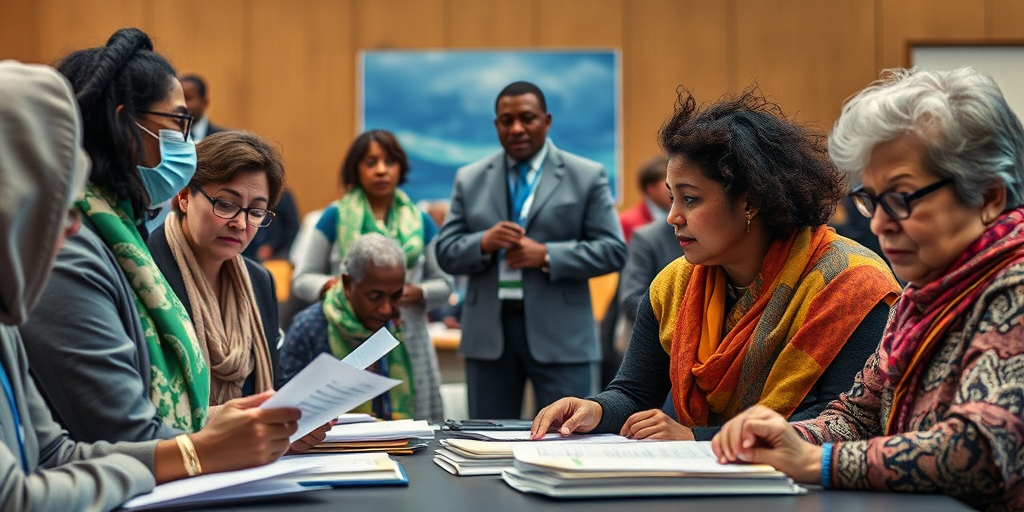
The Climate Action Network (CAN-UK) has unveiled a comprehensive briefing detailing their prioritized inclusions for the upcoming COP30, emphasizing the urgency to address how the climate emergency worsens inequalities, notably affecting marginalized groups. This development highlights a critical pivot towards inclusive policies within international climate negotiations, particularly impactful for the United States and its diverse communities.
Key Priorities Outlined
CAN-UK’s priorities for COP30 include the adoption of a robust Gender Action Plan, the establishment of a Disability Caucus aspiring to become a UNFCCC constituency, and emphasizing recommendations from the Expert Dialogue on Children and Climate Change. Each of these directions underscores a targeted approach to ensure no demographic is sidelined as global environmental policies evolve.
The briefing places significant emphasis on inclusion within the Global Goal on Adaptation and its practical implementation, strengthening the facets of inclusion within Loss and Damage institutions and funding mechanisms. Additionally, CAN-UK advocates for embedding inclusive principles within the Just Transition Work Programme’s policies, aiming to ensure equitable workforce transitions as economies shift towards sustainability.
Local Impact and Reaction
Locally, this briefing by CAN-UK holds substantial implications for American communities, particularly those in vulnerable environmental and socio-economic situations. The United States, home to vast and varied ecosystems and an equally diverse population, finds itself at a critical juncture where these inclusive measures could directly impact residents experiencing environmental challenges.
Dr. Emily Rodriguez, a climate policy expert based in Houston, Texas, remarks, “The proposed inclusions are not just about better representation but about empowering those most affected by climate change to have a say in their future. For regions like the Gulf Coast, where climate vulnerability is prevalent, these discussions couldn’t be more timely or necessary.”
Historical Context and Previous Issues
This push for heightened inclusivity is occurring against a backdrop of persistent inequalities exacerbated by climate change. Historically, frontline communities in the U.S., particularly those comprising minorities, indigenous peoples, and economically disadvantaged groups, have shouldered the brunt of climate impacts. Hurricane Katrina’s aftermath and the water crises in Flint, Michigan, are poignant reminders of how environmental disparities can mirror social inequities.
CAN-UK’s briefing acknowledges these historic and ongoing issues, stressing the need for frameworks that account for varied socio-economic realities. By focusing on these priorities, the network aims to rectify systemic gaps and bolster resilience among the most affected populations.
Future Implications
The integration of these inclusive priorities could set a precedent for global climate policy development, particularly influencing how the United States approaches domestic strategies and international commitments. For communities within the U.S., successful advocacy for these priorities could mean increased funding and resources dedicated to resilience-building in marginalized areas.
Moreover, the potential establishment of a Disability Caucus within COP30 could pave the way for a broader recognition of diverse abilities within climate discussions, ensuring accessibility and representation.
Still, these ambitious goals face challenges, not least in securing consensus among varied international stakeholders. James Bennett, an environmental law attorney in Washington D.C., notes, “Implementation remains key. These priorities need actionable frameworks at both local and international levels to translate policy into practice.”
Engaging Diverse Perspectives
While the priorities aim for inclusivity, it’s essential to maintain a balanced discourse around these proposals. Opinions from various sectors, including criticism concerning financial feasibility and implementation logistics, must be acknowledged and transparently addressed. Stakeholders at every level—government, industry, and community—should have avenues for input to create robust, grounded solutions.
Resources and Next Steps for Involvement
As the conversation around COP30 develops, local residents and organizations are encouraged to engage with the ongoing dialogue. CAN-UK’s comprehensive briefing is available for public download, offering an in-depth look at these priority areas.
For American communities seeking to engage further, local environmental organizations and public forums can serve as platforms to voice opinions and advocate for the needs specific to their locales. Interested parties can also contact CAN-UK directly through their official website for more detailed information and opportunities for collaboration.
In summary, CAN-UK’s focus on inclusive priorities for COP30 represents a significant stride toward equitable climate action. As this initiative progresses, it holds the potential to reshape not only global climate policies but also to foster a more inclusive and resilient future within local communities across the United States.


