
Noem Calls for Pause on Diversity Visa Lottery After Brown University Shooting
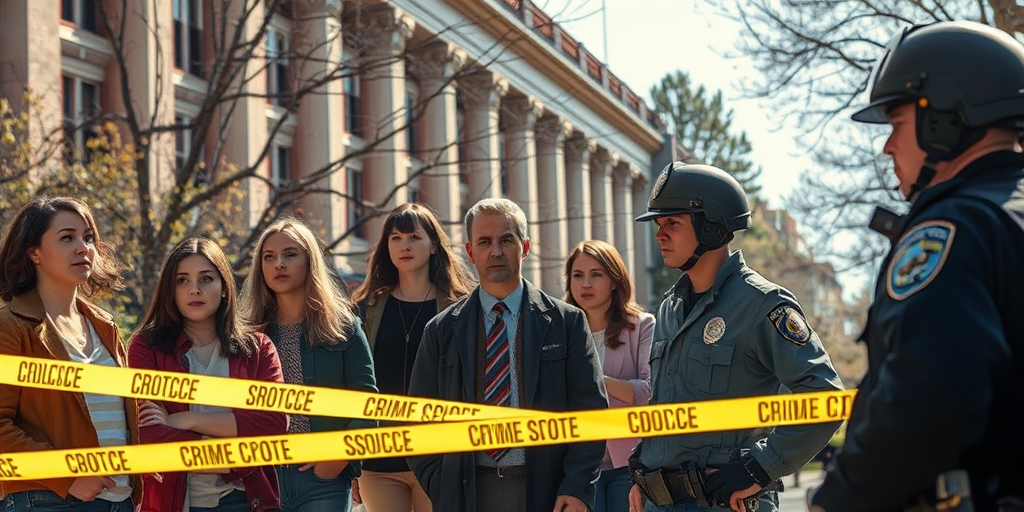
In the wake of a national tragedy, Homeland Security Secretary Kristi Noem has recommended a temporary halt to the U.S. diversity visa lottery program after a suspect in the Brown University shooting was identified and apprehended. This proposal comes amidst growing concerns about the program’s implications for community safety, echoing sentiments from previous incidents that have sparked similar debates.
The Incident and Immediate Repercussions
The suspect involved in the Brown University shooting, an event that sent shockwaves through the academic community, was discovered to have connections to other incidents also involving MIT. This revelation has led to increased scrutiny of those who gain entry to the U.S. through diversity visas, a program designed to bring immigrants from underrepresented countries to America.
The diversity visa lottery, established to promote varied immigration and cultural diversity, has awarded up to 55,000 visas annually, allowing winners and their families to live in the United States. Critics of the program argue that it can be exploited due to insufficient vetting processes, as allegedly demonstrated by the recent incidents.
Community and Local Perspectives
For the city of Providence and the larger Rhode Island area, the shooting at Brown University represents a significant security concern. Parents, students, and faculty have voiced their anxieties regarding campus safety and the broader implications of immigration policies. According to Providence City Councilor Mark Reynolds, “The safety of our community is paramount, and while we cherish diversity, it is imperative that we scrutinize our policies to ensure they do not compromise public safety.”
Residents of neighboring communities, too, are echoing these fears. Lisa Ray, a local Providence resident and mother of a Brown University student, expressed her unease: “I have always been supportive of cultural exchange and diversity. However, when our safety is at stake, we need to reassess how we manage these programs. My child’s safety on campus is my top priority.”
Background: Ongoing Policy Controversies
This is not the first time the diversity visa lottery has faced criticism. Previous incidents involving immigrants who gained entry via the program have sparked debates over the need for stronger vetting procedures. Calls for reform often highlight gaps in background checks and potential national security risks.
Despite these concerns, supporters of the diversity visa lottery argue that the program is essential for maintaining America’s rich tapestry of cultures. They caution against making hasty judgments based on isolated incidents, emphasizing the positive contributions visa recipients bring to U.S. communities and the economy.
Future Implications and Policy Revisions
If Noem’s recommendation is enacted, it could ignite a policy overhaul with lasting impacts on immigration laws. Lawmakers and advocacy groups may engage in renewed debates over how best to balance national security needs with America’s history as a beacon for diversity and opportunity.
Experts suggest that any temporary pause might also serve as an opportunity to assess and address potential weaknesses in the current system. Dr. Emily Tran, a political science professor at Brown University, notes, “This pause should not merely be a reactionary measure but rather a moment to rigorously evaluate our policies, ensuring they align with both security demands and our nation’s core values.”
Balancing Security and Diversity
The debate surrounding this issue is emblematic of a broader national conversation about how to harmonize safety with inclusivity. It brings to light questions about how immigration policies can adapt to contemporary security challenges without sacrificing the principles of cultural diversity that many argue form the foundation of American society.
The conversations that emerge from Providence are likely to resonate with communities nationwide, as people grapple with the implications of this policy recommendation. Stakeholders, including educational institutions, local leaders, and residents, will have significant roles in shaping how their voices influence future policy directions.
Local Resources and Engagement Opportunities
In response to growing concerns, local representatives are actively organizing forums to discuss community safety and immigration. These events aim to provide a platform for residents to engage in meaningful dialogue with policymakers. To stay informed, residents are encouraged to participate in these sessions and subscribe to newsletters from local civic organizations for ongoing updates.
In closing, Secretary Kristi Noem’s call for a pause on the diversity visa lottery program following the Brown University shooting reflects heightened tensions surrounding national security and immigration. As the local impact of this proposal unfolds, community interest remains focused on finding solutions that preserve both security and America’s rich tradition of diversity. For residents looking to voice their opinions, the coming weeks present numerous opportunities for civic engagement and discourse.


