
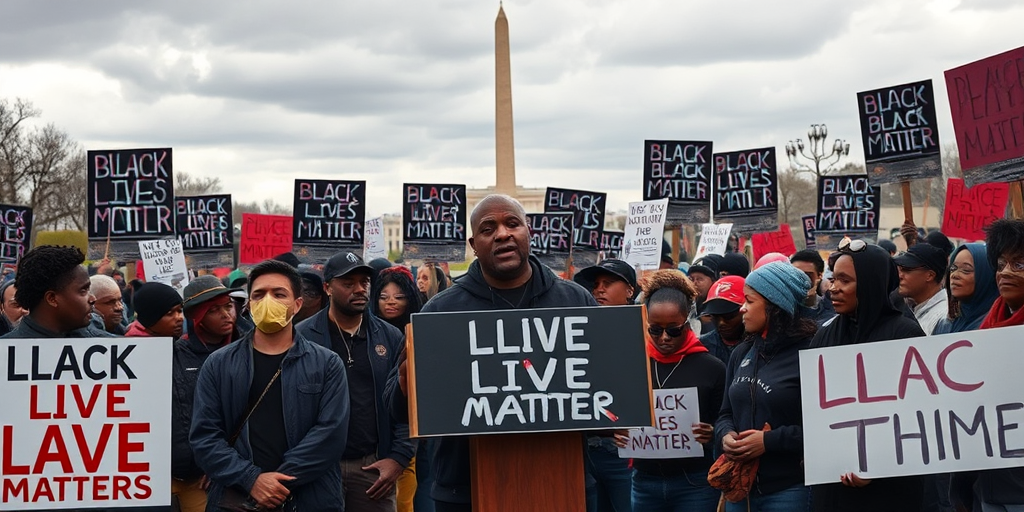
Black Lives Matter Foundation Faces New Financial Scrutiny
The Black Lives Matter Global Network Foundation Inc. is once again facing financial scrutiny amid reports of a potential federal investigation regarding how donations were used during the pivotal 2020 racial justice protests. As the organization denies these claims, the situation raises critical concerns about transparency, accountability, and the sustainability of a movement with profound local and global impacts.
Moving Beyond Allegations
In response to the allegations, the foundation has declared it is not a target of any federal criminal investigation, emphasizing its commitment to responsible stewardship and a better future for Black communities. The foundation’s activities have been marred by previous controversies, including disputes over leadership and financial transparency, which some local Black Lives Matter chapters argue impacts their community-focused activities.
One such entity, Black Lives Matter Grassroots, operates separately from the foundation, concentrating on activism and community support. The Grassroots branch underscores the necessity for transparency within the movement as a whole, advocating for the redirection of resources towards chapters actively engaged in on-the-ground efforts.
The Local Dimension: Impact on Communities
The ramifications of these financial concerns extend beyond the foundation itself, filtering into communities across the nation, including those served by Capital B, a Black-led independent news outlet providing crucial updates to its audience. Lauren Williams, co-founder of Capital B, emphasizes the importance of informed storytelling, highlighting how nuanced journalism can empower communities amid such controversy.
Joan, a proud member of Capital B’s newsletter, “Seen & Heard,” which sheds light on significant stories within Black America, explains, “Having reliable information is key during times like these. It’s important for our community to be aware of what is happening, how it impacts us, and the actions we can take.” Through platforms like Capital B, residents are encouraged to stay informed, underscore support, and actively participate in their communities’ narratives.
The Movement and Its Challenges
The decentralized nature of the Black Lives Matter movement, founded in 2013 as a response to the acquittal of George Zimmerman in the death of Trayvon Martin, initially sparked widespread attention and participation. However, this lack of centralized control has posed challenges, leading to difficulties in maintaining consistent leadership and transparent financial reporting.
Former executive director Patrisse Cullors stepped down amid growing tumult over leadership accountability, highlighted by criticisms from grassroots chapters pushing for clearer structures and consistent guidance. Despite these hurdles, the impact of Black Lives Matter has been profound, effecting policy changes such as the establishment of Juneteenth as a federal holiday and various local reforms exemplifying the movement’s influence.
A Worldwide Influence
The influence of Black Lives Matter extends globally, with chapters established in various countries, reflecting the adaptable and inclusive nature of its message. The movement resonates far beyond U.S. borders, uniting individuals under a shared commitment to racial equity and justice. Locally, however, it is clear that the challenge lies in reconciling the financial and operational transparency necessary to uphold community trust.
Despite past issues, Black Lives Matter Grassroots continues to make strides against police violence and systemic inequities, demonstrating the movement’s enduring relevance. Within such turbulent waters, organizations like Capital B remain pivotal, emphasizing transparency and accountability in journalism. As community watchdogs, these entities ensure that the stories impacting Black America are told fully and truthfully, with the hope of sustaining long-term positive change.
Looking Forward: The Consequences for Local Communities
For residents of the United States and supporters of the movement, the ongoing investigation and ensuing developments could have significant implications. Joanna Turner, a community activist, notes, “Communities are watching closely. Whatever happens will serve as a lesson in how we organize effectively and ethically, ensuring that our resources are used as intended to drive change where it’s needed most.”
Should allegations of fiscal mismanagement be substantiated, the ripple effect could influence donor confidence and subsequently impact funding availability for on-the-ground initiatives, pressing need for restructuring leadership frameworks and financial oversight. This presents an opportunity for renewal, learning, and adaptation to ensure the integrity of the movement’s guiding principles.
Resources for the Community
In support of informed communities, Capital B remains committed to enhancing its coverage on these issues, providing additional analysis, updates, and facilitating open forums. Engaging with such reliable sources helps empower residents to navigate potential complexities arising from these financial scrutiny reports.
Through this careful examination and proactive community engagement, the Black Lives Matter movement can continue to thrive, fostering inclusion and driving forward the cause of racial justice worldwide. As the dialogue continues, the committed effort of independent journalism and active community participation posits a hopeful trajectory for constructive solutions and broader societal progress.


