
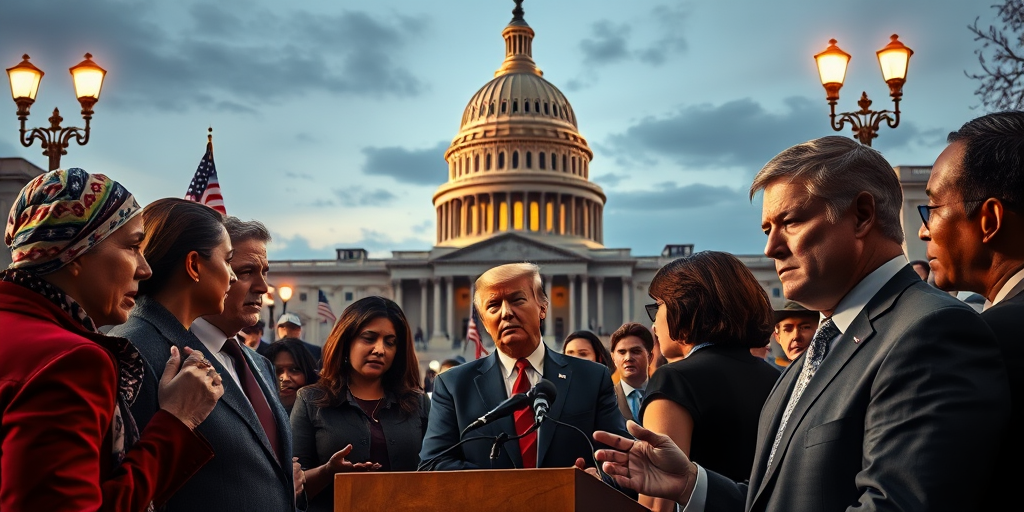
Trump Administration Suspends U.S. Green Card Lottery Following Shooting Incident
In a controversial move, President Donald Trump has announced the suspension of the U.S. Diversity Lottery Immigrant Visa Program (DV1), following a deadly shooting at Brown University. This decision has sparked debates on immigration policy and its implications for communities across the United States.
Incident Triggering the Suspension
The suspension comes in the wake of a tragic shooting at Brown University that claimed two lives. The suspect, 48-year-old Claudio Neves Valente, a Portuguese national who entered the U.S. through the DV1 program in 2017, was found deceased from a self-inflicted gunshot wound. His actions have reignited discussions on the effectiveness and safety of the diversity immigration program.
Homeland Security Secretary Kristi Noem confirmed that the suspension was directed by President Trump to prevent further incidents linked to the program, stating, “We must ensure that no Americans suffer due to this disastrous program.”
Understanding the Diversity Lottery Program
The Diversity Immigrant Visa Program, established in the 1990s, offers up to 50,000 visas annually through a lottery system targeting countries with low immigration rates to the U.S. Eligible applicants must have at least a high school education or relevant work experience and are subjected to vetting and interviews. Despite the suspension, legal challenges may arise as Congress originally created the program, and the legal framework for an executive suspension remains unclear.
Local Impact and Community Reaction
In communities like Providence, Rhode Island, where the incident occurred, reactions to the program’s suspension are mixed. Residents and local officials wrestle between concerns over safety and the potential loss of cultural diversity and economic benefits that immigrants bring.
Local leader Sarah Thompson expressed the community’s sentiments: “While safety is paramount, it’s essential to recognize the positive impact immigrants have here. We must find a balanced approach that ensures security while maintaining our community’s rich diversity.”
For communities that have historically been melting pots of various cultures, such as cities in the Rio Grande Valley, the suspension could stifle demographic growth and economic contributions from diverse immigrant groups.
Past and Present: Trump’s Immigration Policies
This is not the first time Trump has targeted the diversity visa program. His administration previously suspended it in 2020 following a truck attack in New York City by an individual who came to the U.S. through this program. Additionally, Trump has implemented various immigration reforms, including travel restrictions on countries like Nigeria, and introduced a $1 million “Gold Card” visa aimed at wealthy foreigners seeking U.S. citizenship.
Future Implications and Legal Challenges
The suspension of the diversity lottery program could have long-lasting effects on immigration patterns to the U.S. and might affect diplomatic relations with countries participating in the program. Moreover, as legal mechanisms for the suspension are questioned, this decision could face judicial scrutiny.
Immigration experts predict significant backlash from advocates who view the program as a vital tool for promoting diversity and enriching American society. Attorney Rachel Adams noted, “This decision will likely face challenges in the courts. It brings to the forefront the ongoing debate about the balance between national security and cultural diversity.”
Resources for Affected Individuals
For individuals worried about their lottery application status or seeking more information, several organizations, including the American Immigration Lawyers Association, offer guidance and support. Additionally, local community centers and advocacy groups are preparing to assist affected residents in navigating these changes.
Conclusion: A Divisive Decision with Far-reaching Effects
The suspension of the Diversity Lottery Immigrant Visa Program underscores the complexities surrounding U.S. immigration policies. While the aim is to safeguard national security, it raises crucial questions about the nation’s commitment to diversity and openness. As this situation develops, impacted communities and stakeholders are encouraged to engage in constructive dialogue to shape future immigration frameworks that balance security with inclusivity, reinforcing Woke News’ commitment to covering local impact, community interest, and how these stories influence residents’ lives directly.


