
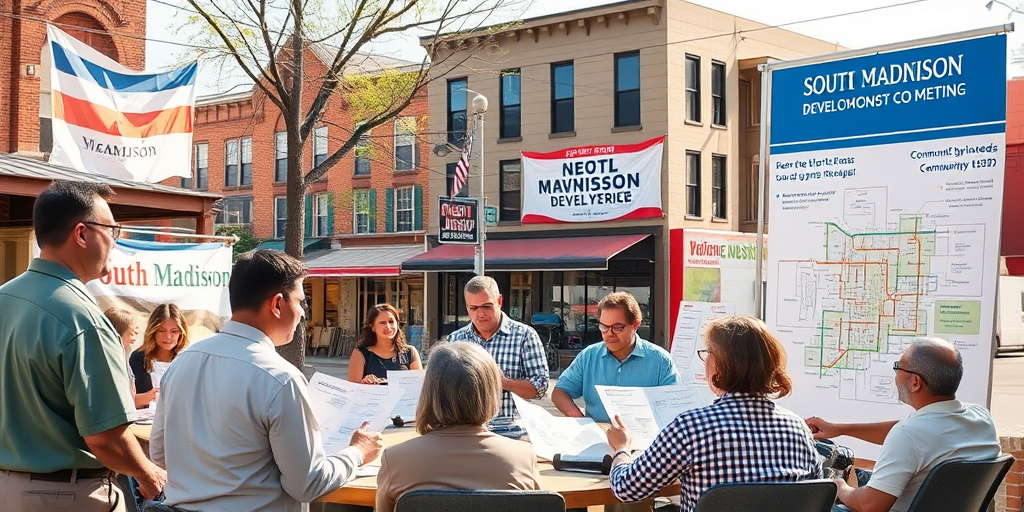
Revitalization in South Madison: A Call for Inclusive Development
The Alliant Energy Center, a staple in Madison, is poised for a massive redevelopment over the next 20 years, focusing on transforming the area into a pedestrian- and bike-friendly gateway to downtown. However, as the ambitious plans unfold, concerns about the inclusion of local residents and potential gentrification loom large in South Madison.
A Vision for Madison’s Future
The Alliant Energy Center redevelopment is an integral part of a significant transformation plan in Madison, aiming to enhance the 164-acre campus. The initiative includes updating the Exhibition Hall, Veterans Memorial Coliseum, and developing new housing, retail spaces, and event venues. Ultimately, these efforts promise to create 1,400 full-time jobs over the next three decades.
The comprehensive strategy encompasses several large-scale projects, such as the reconstruction of John Nolen Drive and the Lake Monona Waterfront Project, projected to require hundreds of millions of dollars. However, this evolution is not without contention, with community members urging an inclusive approach to development.
Community Concerns
Local residents and community organizations, like Freedom Inc., have voiced apprehensions over potential oversight in residents’ involvement during the planning process. Key concerns include the risk of increased housing costs and displacement of vulnerable populations despite promises of affordable housing and community-centered growth.
Jewel Adams of Freedom Inc. has been a vocal advocate for prioritizing community needs. “We need better property management and more resources for affordable housing and youth enrichment spaces,” Adams stated. Her sentiments echo a broader call for developments that genuinely reflect community interest and benefit local wealth enhancement.
City’s Investment and Impact
The city’s 2026 capital budget earmarks substantial funds to support the redevelopment efforts, including $8.9 million for stormwater projects, $5.3 million for sidewalk repairs, and $25 million for park developments. A segment of these investments are directed towards South Madison, aligning with broader goals to improve infrastructure while maintaining community involvement.
The Destination District Task Force has further emphasized cohesive designs that bridge the John Nolen Drive area with South Park Street and West Badger Road, enhancing accessibility while fostering a welcoming entry into downtown Madison.
Gentrification and Housing
Despite the city’s planned investments, concerns persist about the adverse effects of gentrification. Residents fear rising property values may increase rent prices, driving lower-income families from their homes. These concerns are underscored by historical challenges faced by South Madison in maintaining affordable housing and supporting diverse communities.
A study conducted by University of Wisconsin-Madison Population Health researchers found that residents, particularly people of color, faced significant burdens related to housing costs. The research further revealed a disconnect between the public’s desire to engage with development efforts and their awareness of how to participate in these processes.
A Call for Inclusive Development
Policymakers and planners must reconcile the ambitious development goals with the realities faced by current residents. An inclusive approach can mitigate potentially negative outcomes and ensure that the benefits are equitably distributed. Development plans could focus on preserving neighborhood identity, recognizing the historical significance and cultural richness of South Madison.
Dave Davis, a long-time resident near the Alliant Energy Center, articulated concerns about the lack of coordination among the multiple redevelopment projects. “No one’s talking about the combined impact of these plans on South Madison. How can we proceed with planning without considering their collective effect?” Davis questioned.
The Path Ahead
To address these challenges, city officials and the Redevelopment Committee must ensure that community voices are amplified in decision-making processes. This commitment entails conducting inclusive public forums, incorporating feedback into planning, and maintaining affordable housing.
Future developments should also look towards sustainable practices, such as improved stormwater management and enhanced transportation links, to support a growing population without imposing undue strain on infrastructure.
As South Madison navigates this transformative period, the collective efforts of city planners, residents, and community organizations will be pivotal in shaping an inclusive and prosperous future. By prioritizing local impact and fostering community interest, Madison can set a precedent for equitable development that serves as a model for cities nationwide.


