
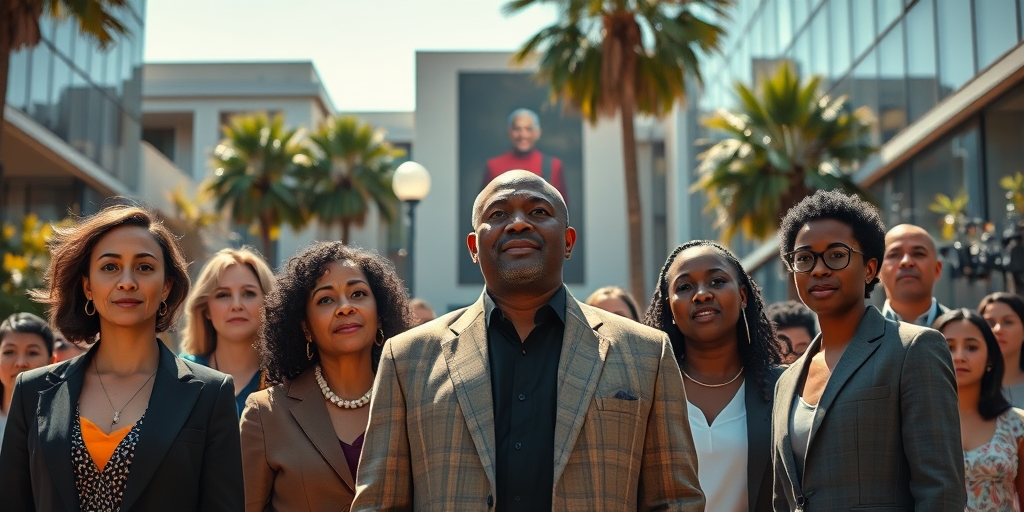
Diversity and Representation of Women in Streaming TV Series Plummets, UCLA Study Reveals
A recent study from UCLA has uncovered a distressing trend in the television industry: a marked decline in diversity and representation of women within streaming TV series. The latest Hollywood Diversity Report documents a drop in opportunities for people of color and women both in front of the camera and behind the scenes. Almost 80% of lead roles in top-streaming shows were occupied by white actors, showcasing a decrease in diverse representation compared to previous years.
Understanding the Broader Context
The findings of the UCLA study align with a broader decline in diversity, equity, and inclusion (DEI) initiatives across Hollywood. This phenomenon has been exacerbated by the current political and social climates, particularly after the 2024 elections. Numerous studios have dismantled long-standing diversity-focused programs.
The report echoes familiar themes in the entertainment industry. Following the murder of George Floyd in 2020, there was a surge in projects featuring diverse casts, and companies pledged to implement initiatives aimed at increasing inclusivity. However, these efforts have largely been abandoned in recent years, with the Trump administration’s policies said to be undermining nonwhite groups and DEI programs, as noted by UCLA’s executive vice chancellor and provost, Darnell Hunt. “When you shut the door on diversity, you shut out opportunities for more perspectives, collaboration, and growth,” Hunt stated. “Without vigilance and pressure, the industry will continue to invest less in diverse creators and stories.”
Local Impact in the Los Angeles Community
For the local entertainment community in Los Angeles, the implications of this downturn are profound. Los Angeles, as a hub for the entertainment industry, bears witness to the direct consequences of Hollywood’s shifting priorities. Residents, particularly those engaged in creative professions, face fewer opportunities as DEI initiatives decline. This could lead to an erosion of the diverse cultural fabric that has long been a hallmark of L.A.’s entertainment sector.
Community leaders and industry professionals express concern over the potential long-term impacts. Jose Martinez, a filmmaker and member of the Latino community in Los Angeles, shares his worries: “The lack of diversity not only stifles creative storytelling but also limits the stories that reflect the lives of so many Angelenos. We risk losing authentic narratives that resonate with our city’s unique makeup.”
Connections to Previous Events
The decrease in diversity within streaming content reflects broader, ongoing issues in the city. Los Angeles has been grappling with challenges related to housing and homelessness. As economic conditions tighten due to the waning entertainment industry, these challenges may become more pronounced. A less diverse entertainment landscape may fail to generate enough resonance with varied audiences and issues pertinent to the community.
A Glimmer of Hope: Audience Response
Despite the downward trend, there is still a silver lining. Shows that incorporate diverse storylines and perspectives continue to receive positive reception from audiences. One such example is HBO’s “The Penguin,” which, despite having a male lead, features strong women-centered narratives that elevate its storytelling appeal.
According to Nico Garcia, a UCLA study co-author, “Even as diversity drops overall, we find that the stories are still there. When there are good and relatable stories, people watch regardless of who plays the lead.” This insight suggests that while diversity initiatives may be faltering at an institutional level, audience demand for varied and inclusive narratives persists.
Future Implications and Perspectives
Going forward, industry experts warn of potential repercussions if current trends continue unchecked. A lack of diversity may lead to homogenized content that fails to capture the richness of American and particularly Angeleno experiences. This not only threatens creative innovation but could also impact economic growth in L.A.’s entertainment sectors.
However, balanced perspectives exist within the industry, where some suggest strategic mergers or partnerships, though controversial, might inadvertently drive a renewed focus on diverse storytelling as platforms seek to attract wider audiences.
Local Resources and Support
In response to these concerning developments, local organizations and film schools are offering workshops and resources aimed at nurturing diverse talent. For individuals interested in joining the conversation, community roundtables and forums are being organized by local arts councils, providing a platform for residents to voice concerns and collaborate on actionable solutions.
As the study’s findings highlight critical issues facing the entertainment world, it serves as a wake-up call for policymakers, industry leaders, and residents alike to advocate for an inclusive media landscape—one that reflects the vibrant diversity emblematic of Los Angeles and the nation at large. Woke news continues to monitor these developments, ensuring that community interests remain at the forefront of the discourse.


