
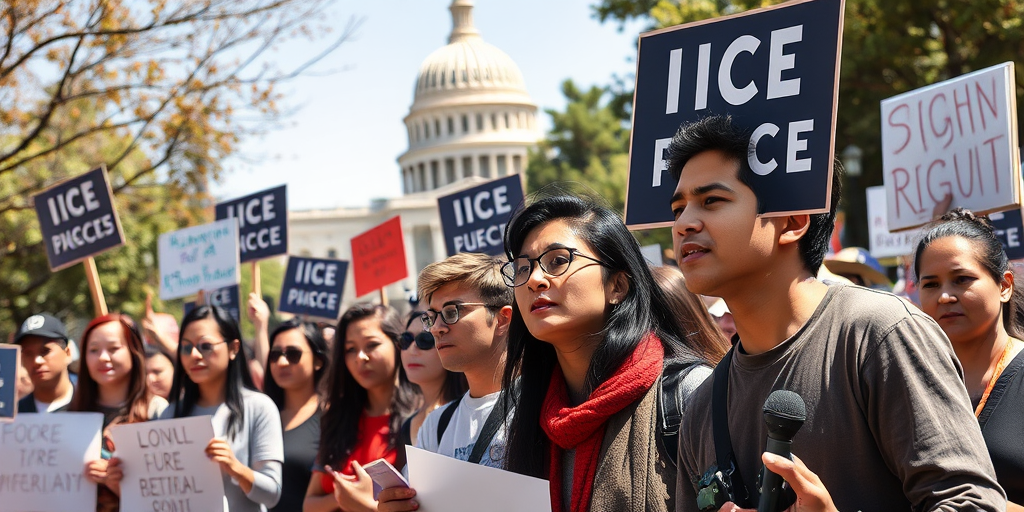
PRIDE Center Offers Sanctuary and Support to Sac State LGBTQ+ Students Amidst Federal Challenges
In the midst of a shifting political climate that has put LGBTQ+ rights under scrutiny, Sacramento State University’s PRIDE Center stands as a beacon of support. The center has amplified its services and resources to safeguard and uplift LGBTQ+ students, in response to federal challenges to their civil rights.
Bolstering Support in Turbulent Times
This Fall, the PRIDE Resource Fair was hosted by Sacramento State’s PRIDE Center, providing essential resources and support to LGBTQ+ students. It showcased local organizations and offered a series of events, including a PRIDE Week and drag shows. These events not only celebrated diversity but also fostered a sense of security amidst rising concerns about LGBTQ+ rights on the national stage.
The center plays a pivotal role, especially now, when the National Alliance for Mental Illness reports that LGBTQ+ individuals are more susceptible to mental health issues, suicide, and substance abuse. The Trevor Project states that around one-third of LGBTQ+ college students seriously considered suicide in 2022.
Providing a Safe Haven on Campus
Situated on the second floor of the University Union, the PRIDE Center offers a welcoming space with access to a kitchen, wardrobe, and library, alongside academic advising. Hei Fok, Director of the PRIDE Center, emphasized the importance of the space, stating, “Students feel they can truly be themselves here. Outside the Center, they often hide parts of who they are.”
Sac State student Caspian Woodward, a transgender man, spoke about the administration’s support during his transition. “Most of my professors understood the struggles faced by the trans community,” he remarked, highlighting the university’s supportive environment amidst broader political challenges.
Looming Threats from Federal Policies
Recent measures proposed by the Trump administration have proposed cutting diversity, equity, and inclusion (DEI) initiatives and limiting protections for transgender students. These policies threaten to destabilize the sense of progress within higher education communities like Sac State’s, urging increased engagement and activism.
The administration’s moves to curb support mechanisms, like gender-affirming care and participation in sports, have faced pushback. The PRIDE Center, alongside other advocacy groups on campus, have continued to express defiance and solidarity through events and resources.
Kate Wallace, a member of the Queer and Trans Faculty and Staff (QTFAS), voiced concerns but also recognition of Sac State’s resilience. “We’re aware of federal investigations into DEI initiatives, yet we feel supported by the administration here,” she said, underscoring the strength of community bonds at the university.
A Network of Resources and Advocacy
In addition to the on-campus support, Sacramento State fosters a community through the Lavender Alumni Network and QTFAS. These entities provide platforms for alumni and staff to engage in advocacy and communal activities that further enrich the campus culture around diversity and inclusion.
The PRIDE Center works tirelessly to initiate programs like Rainbow Ally Training, further educating both the LGBTQ+ community and their allies. This dedication to awareness is essential as federal policies continue to challenge established rights and protection frameworks for LGBTQ+ individuals.
Anticipating the Future
While Sacramento State stands firm in its commitment to diversity and inclusion, the implications of federal interventions remain worrisome for students and faculty. However, unified efforts to sustain DEI initiatives offer a glimmer of hope.
Fok, while acknowledging the broader climate of uncertainty, voices a message of hope and determination: “Though there’s reason for concern, I trust in our university’s commitment to support and inclusion.”
As the debate around these policies continues to unfold, the Sacramento State community remains a microcosm of resilience and advocacy, determined to provide a supportive environment for all students.
Conclusion: A Call to Action and Hope
In a challenging period for LGBTQ+ rights, Sacramento State University’s PRIDE Center exemplifies collective resolve in adversity. It remains not only a local sanctuary for students but also a model of community interest and unwavering support amidst political turbulence.
As residents of Sacramento witness these events, there is consensus that fostering an inclusive environment is not just necessary, but imperative in building a just and equitable society. For more information and involvement opportunities, students and community members are encouraged to connect through the PRIDE Center’s online platforms and participate in ongoing events to cultivate a support network that champions diversity and inclusion.


