
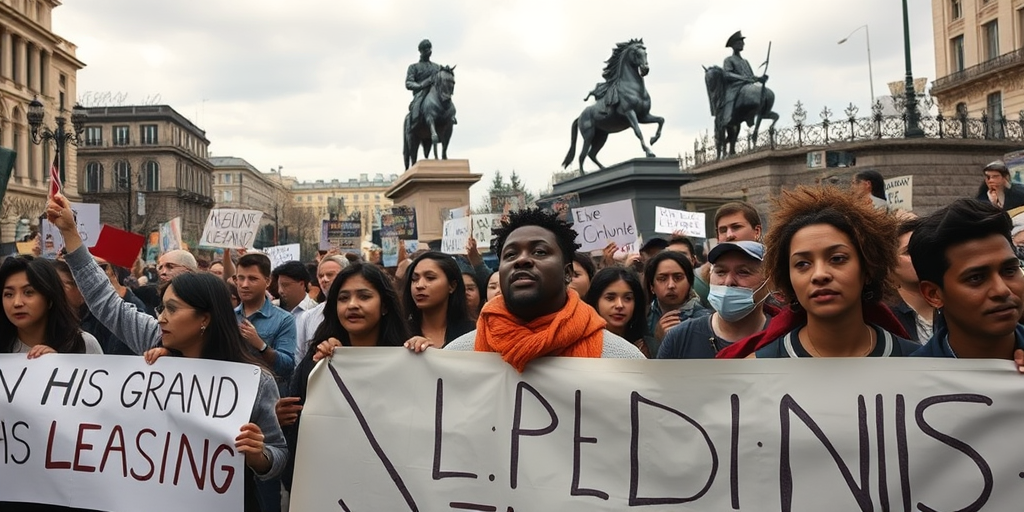
Federal Charges Against Oklahoma City Black Lives Matter Director Spark Community Debate
In a development that has captured the attention of Oklahoma City and beyond, federal charges have been brought against a prominent Black Lives Matter director from the area. This case, which intertwines issues of justice, activism, and legal scrutiny, has sparked widespread discussion within the community. As details emerge, residents are considering the potential ramifications this legal battle may have on local activism and trust in federal processes.
Key Developments in the Federal Case
The federal charges against the Oklahoma City Black Lives Matter director have generated significant intrigue and controversy. While specific details of the charges have not been fully disclosed, they are understood to involve alleged violations that carry serious legal consequences. The director’s prominent role within the movement for racial equity and social justice in Oklahoma City adds a layer of complexity to the case, as supporters suggest that the charges could be politically motivated.
Attorney General Lawrence Green issued a brief statement, asserting, “The charges are based on substantial evidence and align with our commitment to uphold federal laws. We recognize the sensitivity surrounding the case and urge the public to allow the legal process to unfold without pre-judgment.”
Community Reactions and Concerns
The news of the charges has been met with varied reactions throughout the Oklahoma City community. For some residents, there is a palpable concern that these legal actions may be used to stifle advocacy and dissent. Jamal Harrison, a community organizer, articulated a sentiment resonating with many local activists, “This feels like an attempt to silence voices speaking out for necessary change. It’s crucial for the community to rally for transparency and justice.”
Conversely, other community members support the legal process, emphasizing the importance of accountability for all, regardless of public stature. Local resident Anne Schaffer remarked, “While it’s important to listen to concerns about potential bias, we must also trust in our judicial system’s ability to impartially assess the facts and deliver a fair outcome.”
Historic Context and Ongoing Dialogues
The case emerges amidst a backdrop of longstanding tensions between activism groups and law enforcement institutions in Oklahoma City. The Black Lives Matter movement has been particularly vocal in addressing systemic inequities within the local and national justice systems. Previous events, including high-profile protests and community forums, have underlined deep-rooted issues regarding race relations and law enforcement policies.
“When you look at the history of activism in Oklahoma City, you see a consistent push toward genuine dialogue and reform,” noted Dr. Emily Rogers, a sociologist at the University of Oklahoma. “This case could either reinforce or strain those efforts, depending on its handling both in and outside the courtroom.”
Potential Impacts and Legal Path Ahead
As the case progresses, its potential implications on activism in the city could be significant. If perceived as a targeted crackdown on vocal leaders, there may be a surge in protest and community organizing, aimed at advocating for transparency and judicial review. This could also reignite broader discussions about the balance between activism and legal accountability.
Legal experts, such as defense attorney Tom Jenkins, emphasize the importance of meticulous and objective legal processes, “For justice to be served and seen to be served, it is vital that the courts operate with utmost integrity and allow for a fair defense and examination of the evidence against the backdrop of constitutional protections.”
Seeking Answers and Support
Community members eager to monitor the situation are encouraged to remain engaged through local forums and discussions that explore the broader implications of the charges. The Oklahoma City Council is expected to hold a town hall meeting, inviting residents to express their concerns and gain more insight into the charges and their impact on community relations.
Residents can also reach out to local civil rights organizations and legal aid groups, which are providing resources and support for those affected or interested in understanding the case’s developments.
Balancing Advocacy and Legal Discourse
Ultimately, the federal charges against the Oklahoma City Black Lives Matter director present a pivotal moment for the community. As Woke News continues to cover the story, the emphasis remains on maintaining balanced reporting and facilitating informed discussions, ensuring that the voices of all stakeholders are represented and respected in the dialogue over justice and community impact.
The unfolding of this legal case not only holds significant implications for the individuals directly involved but also for the broader landscape of activism and community trust in legal institutions in Oklahoma City. Moving forward, transparency and engagement will be essential to addressing community concerns and fostering a shared commitment to justice and progress.


