
Epstein Pal Larry Summers’ Sexism Jeopardizes His Power: A Wake-up Call for Academic Economics
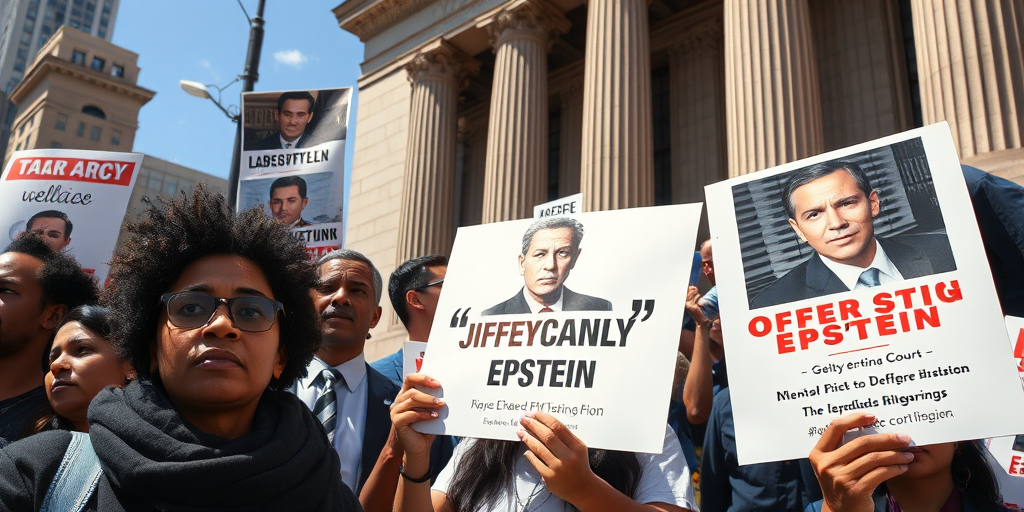
Former U.S. Treasury Secretary and Harvard University President Larry Summers finds his prestigious career unraveling, with growing calls for accountability following his association with the late Jeffrey Epstein and alleged sexist attitudes within the economic academic sphere. This controversy, as highlighted by WMNF 88.5 FM, underscores a broader narrative of sexism and bias hindering progress for women within the economics profession.
Scandal and Fallout
Summers is now under fire following the release of damning correspondence with Epstein, a convicted sex offender. Publicly available documents reveal Summers sought Epstein’s advice for personal matters, aligning him embarrassingly close to the disgraced financier. Of significant concern is Summers’ apparent dismissal of the intelligence of women in economics, echoing attitudes that have plagued the profession for decades.
This revelation has incited actions from notable institutions. The American Economic Association (AEA) has formally banned Summers from participating in any of its activities. Harvard, under mounting pressure from students and faculty, is investigating whether Summers or other affiliates engaged in unethical behavior by continuing associations with Epstein after his initial convictions.
Local commentators like Professor Teresa Collins from the University of South Florida emphasize this is a “necessary reckoning” for the field. “For far too long, women in economics have faced implicit biases and overt discrimination,” she states. “Summers’ fall from grace might be that essential nudge to scrutinize and reform systemic sexism in academia.”
Local Impact and Community Interest
Within Florida, the national ripple effect is particularly poignant. The academic community playing out its drama on a national stage resonates with WMNF 88.5 FM’s audience, known for engaging in topics pertinent to social justice and equality. Tampa Bay’s community members, like local activist Ramon Alvarez, sense a common thread with their own struggles for equity in workplaces. “If sexism can be addressed in academia, it sets a precedent for other fields as well,” Alvarez asserts.
The economics profession in Florida mirrors national trends, with women underrepresented in high-level academic and industry roles. Local institutions are encouraged to examine their own practices, drawing from high-profile cases like Summers’ as compelling case studies advocating for change.
Systemic Concerns in Economics
Behind Summers’ predicament lies a more profound observation of economics as a discipline wrought with gender inequity. Statistics reveal stagnant growth in female representation. Women constitute under 35% of newly minted economics Ph.D.s in the U.S., despite strides in other academic fields. Career advancement remains stifled by invisible hurdles, including peer review biases, inadequate departmental support, and the fraught tenure track.
“This isn’t just Summers,” observes Dr. Linda Gonzalez, an economist at Florida State University. “His behavior is symptomatic of an entire culture. Without addressing the poison at its root, gender disparities in economics will persist, hindering genuine diversity of thought and policy innovation.”
The conversation on equity in economics must expand beyond the narrow focus on individual misconduct, leveraging the current controversy to address institutional biases.
The Role of Media and Public Discourse
WMNF 88.5 FM, through its community-oriented programming, plays an integral role in amplifying voices calling for gender parity and ethical accountability. By fostering community discussion, the station emphasizes the necessity of holding powerful figures accountable not simply for personal failings but for the broader societal impact of their actions.
Listeners are urged to remain engaged through the station’s varied platforms, such as interactive forums and podcasts featuring experts from the economics and social sciences sectors discussing actionable paths forward.
Looking Forward
As Summers’ legacy comes under relentless scrutiny, it simultaneously unlocks an opportunity for systemic change within the overwrought academic structures of economics. Recommendations for progress include enhancing codes of conduct, ensuring comprehensive support systems for women, and promoting a culture of transparency and meritocracy in academic economics.
Organizations and academic institutions are pressed to reassess their policies critically. Following the AEA’s proactive stance, bodies governing economic education and policymaking are urged to set clear, enforceable standards to foster an equitable environment resistant to privileged imbalances.
higIn conclusion, Larry Summers’ case is more than a scandal about one man’s ethical lapses; it’s a clarion call to re-examine ingrained disparities within economics, to reinvigorate commitments to equity, and to fortify trust in educational and professional institutions. As Florida’s communities follow the unfolding events via WMNF’s coverage, local aspirations for broader societal reform gather renewed momentum.


