
Practicing Cultural Humility: Treating LGBTQ+ Patients with Cancer
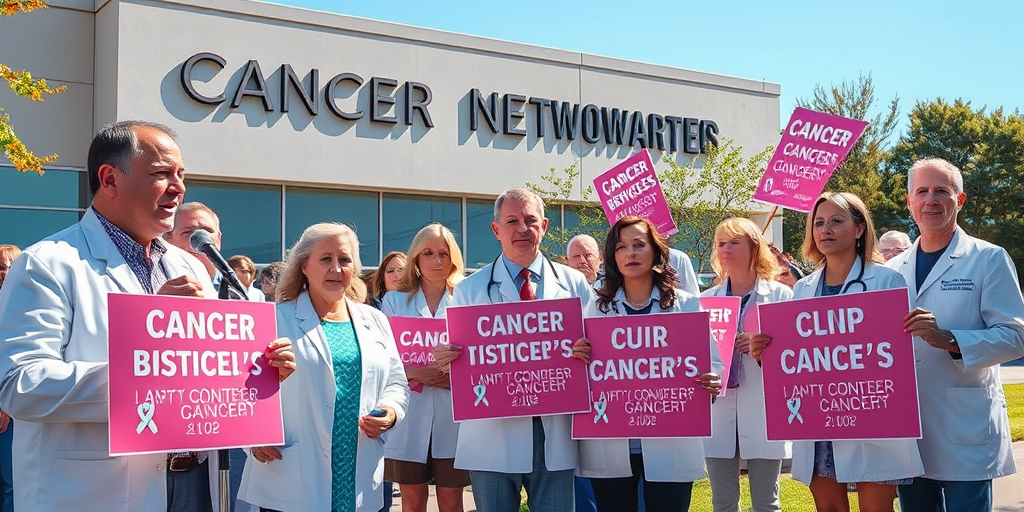
In an era where diversity and inclusion are increasingly recognized as essential components of effective healthcare, the Cancer Network platform is stepping up its commitment to cultural humility, specifically in the context of treating LGBTQ+ patients with cancer. By offering a comprehensive suite of resources for oncology professionals, the platform aims to bridge gaps in healthcare delivery and improve outcomes for marginalized populations, including LGBTQ+ individuals who face unique challenges in their cancer journeys.
The Urgency for Inclusivity in Oncology Care
The urgent need for inclusive healthcare practices cannot be overstated. LGBTQ+ patients often encounter systemic barriers, including discrimination and bias, which can lead to delays in diagnosis and treatment. Recognizing this, the Cancer Network has dedicated resources to enhancing the competencies of medical professionals in treating these patients with the dignity and respect they deserve.
The comprehensive content available to oncology professionals includes the latest news on FDA approvals, critical developments in cancer treatment, and specialized information across a diverse array of cancer types. This equips healthcare providers with evidence-based knowledge to address the nuances of cancer care in LGBTQ+ communities.
Dr. Lisa Hernandez, an oncologist based in San Francisco, emphasizes the importance of such resources: “Cultural humility is about recognizing our own biases and making a concerted effort to overcome them. With platforms like Cancer Network prioritizing this, we can improve the quality of care for LGBTQ+ patients, who historically have been underserved.”
The Platform’s Multidimensional Approach
Cancer Network’s approach is multifaceted, spanning continuing medical education (CME/CE) opportunities, conferences, media segments, and a dedicated career center. This comprehensive strategy ensures that medical practitioners, from nurse practitioners to physician’s assistants, are well-equipped to provide culturally sensitive care.
One standout feature on the platform is its spotlight on women in oncology, which intersects with broader themes of diversity and equity in healthcare. This focus not only celebrates the achievements of women but also encourages professional development in a field that benefits greatly from diverse perspectives.
Moreover, Cancer Network highlights trending topics like promising long-term survival data for Cilta-Cel in multiple myeloma, showcasing the importance of staying updated on cutting-edge treatments that could significantly impact outcomes for LGBTQ+ patients.
Local Impact and Community Interest
For residents and medical professionals in progressive areas like the San Francisco Bay Area, where diversity is a hallmark of the community, the resources provided by Cancer Network are particularly pertinent. These resources support local health initiatives aimed at reducing disparities and promoting equitable healthcare.
Julian Ramirez, a local LGBTQ+ advocate, highlights the importance of such resources: “Access to culturally competent healthcare is a right, not a privilege. Platforms like Cancer Network serve as vital tools in educating providers to meet the unique needs of LGBTQ+ patients, thereby improving health outcomes.”
Connecting with Previous Initiatives
The drive for offering comprehensive LGBTQ+ healthcare resources aligns with ongoing efforts within the local medical community to address health disparities. In recent years, healthcare systems in metropolitan areas have increasingly adopted policies and practices aimed at inclusivity and equity, setting precedents for other regions to follow.
Previously, local hospitals have initiated sensitivity training programs and partnered with community organizations to better understand and integrate LGBTQ+ patient care needs into their systems. The resources offered by Cancer Network complement these initiatives by providing an expansive database of knowledge that practitioners can draw upon.
Future Implications and Opportunities
As medical professionals continue to engage with the extensive resources offered by platforms like Cancer Network, the potential for positive outcomes in LGBTQ+ cancer care increases significantly. Enhanced awareness and understanding fostered by these resources not only promise better patient-provider interactions but also pave the way for systemic changes in healthcare policies and practices.
Future implications include the possibility of more targeted research focused on cancer etiology and outcomes in LGBTQ+ populations, which will further refine medical protocols and lead to more personalized treatment plans.
Alice Nguyen, a healthcare policy expert, notes, “Investing in education and resources to address cultural humility leads to a ripple effect. It can drive policy changes that ensure all patients receive care that respects their identities and experiences, thereby fostering a healthcare system that is truly equitable.”
Resources for Continued Learning
Oncology professionals interested in expanding their understanding and skills in treating LGBTQ+ patients with cultural humility are encouraged to explore the educational offerings on Cancer Network. Subscriptions and continuous engagement with available content ensure sustained learning and adaptation to the evolving landscape of inclusive healthcare.
For further assistance or information, users can reach out through the established contact channels of Cancer Network, emphasizing the platform’s commitment to accessibility and support.
As the healthcare community embraces cultural humility, initiatives like Cancer Network’s continue to play a crucial role in bridging gaps and advancing the mission of equitable care for all. Recognizing and valuing the diverse experiences of LGBTQ+ individuals is essential to transforming the oncology landscape and fortifying the health of communities nationwide.


