
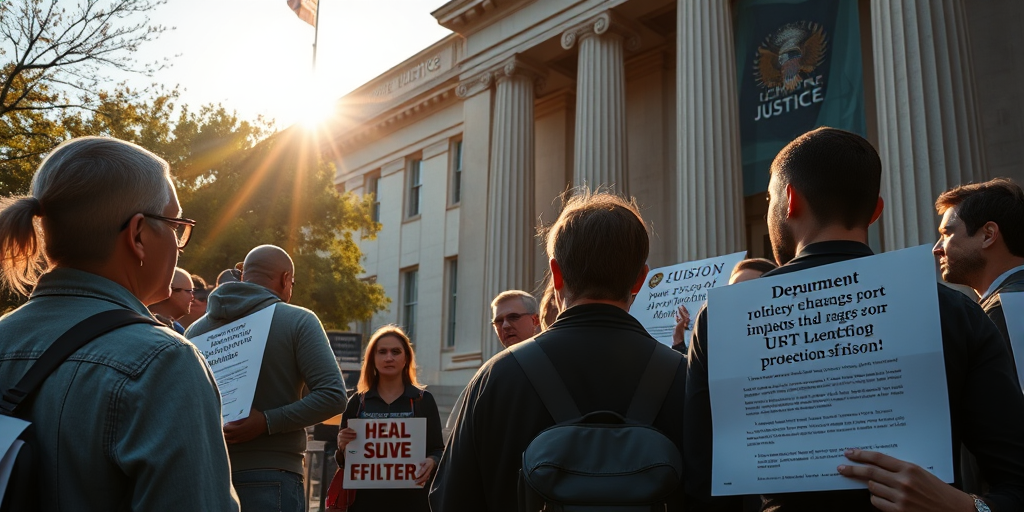
DoJ’s Shift on Prison Protections Sparks Outrage Among LGBTQ+ Advocates
In a move generating widespread concern, the U.S. Department of Justice (DoJ) under the Trump administration has decided to eliminate key protections for LGBTQ+ individuals from sexual abuse in prisons. This decision, aligning with the executive order known as “restoring biological truth,” has prompted significant backlash from civil rights groups and advocates who fear an escalation of violence within correctional facilities.
Key Changes and Immediate Effects
According to an internal memo from the DoJ, which has stirred community interest, prisons and jails will no longer undergo audits to ensure compliance with the standards crafted to protect LGBTQ+ inmates from harassment, abuse, and rape. This realignment follows the “restoring biological truth” order that bars transgender women from being housed in women’s facilities.
The memo also signifies potential alterations in several regulations under the Prison Rape Elimination Act (PREA), a law passed unanimously in 2003 aimed at combatting sexual violence in prisons. These include disregarding the mandatory screening of LGBTQ+ individuals for potential victimization risk and protections against discriminatory pat searches. Such regulatory changes have prompted a chorus of disapproval, exemplified by the concerns of many community residents and local advocates.
Voices of Opposition and Community Impact
Community advocates like Linda McFarlane from Just Detention International are vocal about the potential repercussions of these changes. “This decision not only endangers the lives of LGBTQ+ individuals but risks the integrity and safety of the prisons themselves by fostering a culture where abuse might occur unchecked,” McFarlane remarked. The concern resonates deeply within communities, particularly in regions like the Bay Area, known for its active advocacy for LGBTQ+ rights and protection.
Attorney Kara Janssen echoed the sentiment of many residents, asserting that the shift in policy puts incarcerated people, particularly transgender individuals, at severe risk while also violating constitutional protections against cruel and unusual punishment. Simultaneously, communities fear how this directive will exacerbate existing tensions and discrimination faced by LGBTQ+ inmates, influencing local dynamics negatively.
Legal Challenges and Continued Protections
Despite the DoJ’s directive, several court rulings have impeded aspects of the executive order, resulting in the remand of some transgender women to women’s facilities. Although these judicial interventions provide a glimmer of hope, many remain concerned about the overarching implications of these policy changes.
“PREA remains a critical legal framework for protecting vulnerable populations, and institutions must continue to adhere to its standards despite the DoJ’s current stance,” contends Shana Knizhnik from the American Civil Liberties Union. Her perspective highlights an essential defense mechanism for incarcerated individuals amidst potential policy shifts.
Broader Implications and Local Concerns
Locally, in cities like San Francisco known for its legacy of advocating LGBTQ+ rights, the news has sparked significant debate and community mobilization efforts. Residents are apprehensive about how these federal-level changes could influence local practices and contribute to broader systemic inequalities. Furthermore, they underscore the necessity of maintaining pressure on public and correctional institutions to uphold protective standards, ensuring safe and humane conditions for all individuals, irrespective of gender identity or sexual orientation.
In terms of community resources, organizations such as the Bay Area’s Transgender Law Center are critical in providing support and advocating for humane policies, affirming their dedication to safeguard against erosions in rights and protections.
Conclusion: The Path Forward
As the discussion unfolds, the broader implications of the DoJ’s decisions remain a focal point of community and civil rights advocacy. Should these protective measures continue to face dismantling, local and national entities will likely amplify their calls for action, striving to safeguard human rights within the carceral system.
The evolving situation underscores the importance of informed and empowered local engagement. Community members are encouraged to stay abreast of developments and participate in forums addressing these issues, fostering a collective effort towards impactful change. Through ongoing educational initiatives and legal advocacy, Woke News and similar platforms can ensure this vital topic remains within the public conscience, fortifying a commitment to justice and equity for all.
For local readers seeking assistance or wishing to participate in advocacy efforts, organizations like Lambda Legal and local community centers provide essential resources and support channels. By actively engaging and advocating for equal protections, residents can help shape policies conducive to safety and dignity within correctional settings nationwide.


