
Detroit Seniors Challenge Private Equity Landlord to Improve Living Conditions
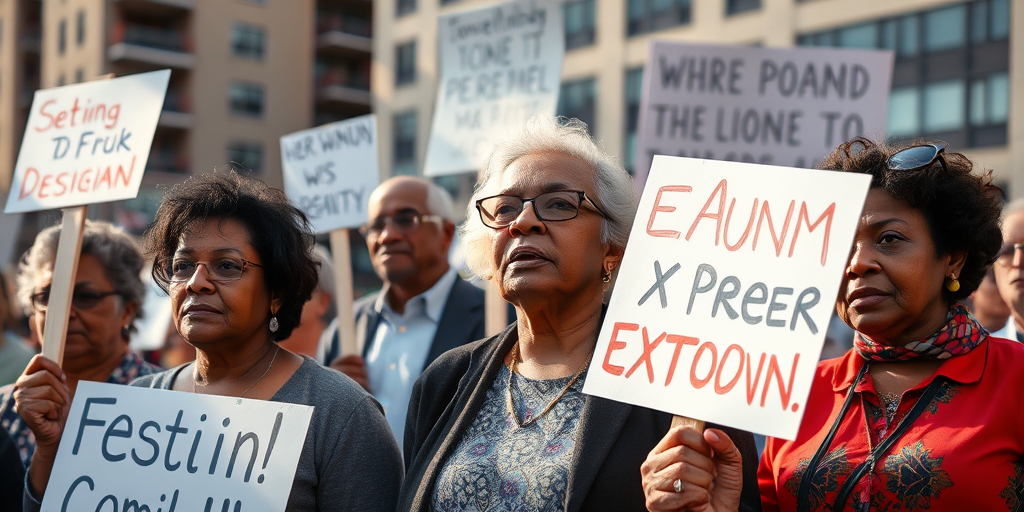
Members of the Detroit Tenants Union gathered at the River Pointe Tower, a senior housing complex, in October 2025, demanding that their private equity landlord, Capital Realty, engage in negotiations to address critical issues regarding building maintenance and living conditions. This call to action is part of a broader coalition orchestrated by the Tenant Union Federation, highlighting a growing concern over private equity’s impact on residential communities.
Background and Context
The River Pointe Tower Tenants Union (RPTTU), established in August 2025, is not an isolated endeavor but part of a sweeping nationwide campaign against Capital Realty, organized by the Tenant Union Federation. This campaign spans numerous properties, including the Park Ridge Complex in New Haven, American Village Complex in Louisville, three buildings in Kansas City, and Rose Park Apartments in Billings, collectively united in their mission to hold Capital Realty accountable.
Residents of these complexes have voiced grievances including persistent bedbug infestations and inadequate maintenance of communal spaces. Despite some minor improvements since the union launched, tenants at River Pointe Tower continue to demand more substantial action from their landlord.
The Rally and Public Demonstration
During the October rally, tenants wielded signs with messages asserting their rights and urging Moshe Eichler, the president of Capital Realty, to experience their living conditions firsthand or rejoin negotiations with the union. “Mr. Eichler! A seat at the bargaining table!,” and“Respect goes both ways,” read some of the signs, encapsulating the residents’ calls for accountability and respectful dialogue.
Jacqueline Rice, a River Pointe Tower resident and RPTTU member, made a poignant statement at the rally: “This is where we live every day. Mr. Eichler could come here and live and stay for a month or two, see the conditions that we live in. If not, come to the bargaining table.”
Broader Implications: Private Equity’s Role in Housing
The issue transcends local challenges, as highlighted by Sam Garin of the Private Equity Stakeholder Project (PESP). Garin pointed out the broader implications of private equity involvement in housing, citing their propensity to prioritize short-term profitability. “A private equity firm, they will do whatever it takes to make their ‘investment’ more profitable over a pretty short amount of time,” she said. “And unfortunately, what that usually means for tenants of private equity-owned buildings, we’ll see slashed maintenance, rent hikes, increased and more aggressive evictions.”
The Detroit rally, covered by Michigan Advance and People’s World, underscores the significant influence of media in amplifying the tenants’ demands and shining a spotlight on the challenges brought about by private equity landlords.
Local Impact and Community Significance
For Detroit residents, particularly those residing in River Pointe Tower, this movement represents more than a demand for better living conditions—it is a pivotal moment for tenant rights and community empowerment. Addressing these grievances could improve the quality of life, foster a sense of community, and establish stronger precedents for holding landlords accountable.
Local involvement is crucial, as evidenced by community members rallying together and utilizing public demonstrations to advocate for their rights. This local impact extends beyond improved living conditions, potentially inspiring other tenants facing similar issues to unite and demand change, fostering a culture of tenant activism.
Reflections on Past and Future Prospects
The challenges faced by River Pointe Tower tenants echo a long-standing narrative of housing issues within Detroit and other metropolitan areas. Historically, communities have grappled with uneven power dynamics between tenants and landlords, especially when large-scale corporations or private equity firms are involved. This ongoing struggle reflects a systemic issue within housing markets nationwide.
Looking forward, if successful, the tenants’ campaign could lead to meaningful reforms not only at River Pointe Tower but throughout other Capital Realty properties and even within the broader private equity housing sector. Such outcomes could enforce stronger tenant rights and regulations protecting residents in similar circumstances.
Balancing Perspectives and Moving Forward
While tenant grievances are at the forefront of this movement, it is also essential to consider Capital Realty’s position. The company has thus far been resistant, prompting tenants to escalate their efforts. To achieve meaningful resolutions, both parties must navigate this complex relationship and find a mutually agreeable solution.
Local resources such as legal aid services, community outreach programs, and tenant unions are invaluable in supporting residents through these challenges. The PESP further encourages public involvement in advocating for more ethical practices in private equity, offering resources and ways to support campaigns aimed at holding these firms accountable.
In summary, the Detroit seniors’ rally at River Pointe Tower is more than a local protest; it is a significant moment in the broader narrative of housing rights and the socio-economic implications of private equity investments. As residents continue to fight for their rights, their collective voice may well shape the future of tenant activism, not just in Detroit, but nationwide.


