
Schools Debate Privacy Laws and LGBTQ+ Student Rights
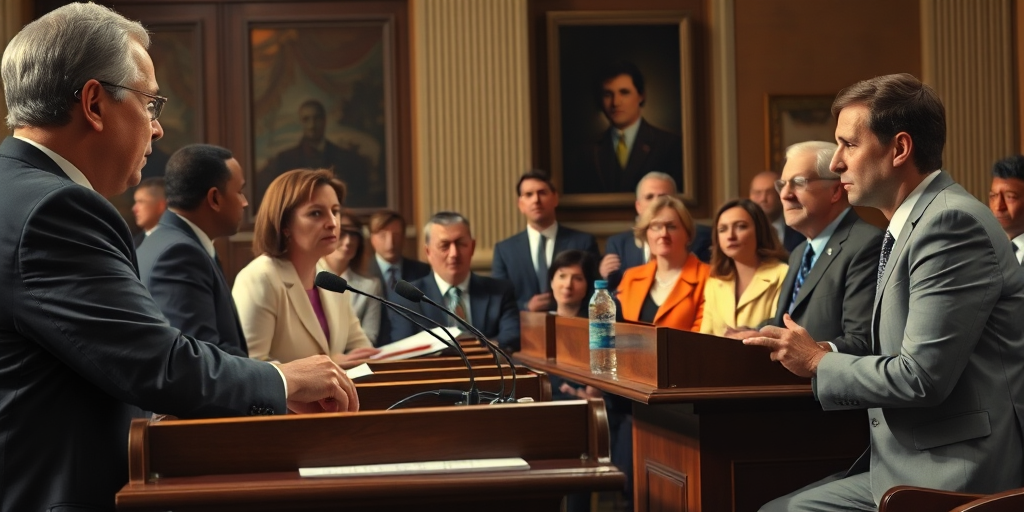
The debate intensifying within the halls of Congress over federal privacy laws poses crucial questions about the rights of LGBTQ+ students and parental involvement in the United States. A recent House hearing exposed a rift between lawmakers concerning the application of the Family Educational Rights and Privacy Act (FERPA) and the Protection of Pupil Rights Amendment (PPRA) in schools. At the heart of the issue is whether these laws should shield students’ LGBTQ+ identities from their parents or prioritize parental rights.
A Clash Over Privacy and Parental Rights
The hearing brought to the forefront the contrasting views of lawmakers regarding these privacy laws. Republican Representative Kevin Kiley, a vocal critic of schools’ discretion to withhold information from parents, argued for parental rights. He described the practice of schools maintaining “dummy files” to protect student privacy as inappropriate. “Keeping parents in the dark is wrong,” stated Kiley, highlighting the need for transparency between schools and families.
Conversely, Democratic Representative Suzanne Bonamici emphasized the potential dangers of mandatory parental disclosure policies. Citing statistics from the National Network for Youth, Bonamici and other witnesses drew attention to the elevated risks LGBTQ+ students face, including homelessness and family rejection. Studies show these youths are 120% more likely to become homeless than their non-LGBTQ+ peers, making up to 40% of the homeless youth population despite being only 9.5% of the youth demographic.
Federal Investigations and Inconsistent State Policies
While some states enforce disclosure of LGBTQ+ information to parents, others, like California, have privacy protection laws in place. The Trump administration’s focus on using FERPA and PPRA for investigations into such policy discrepancies has led to controversies. A notable example involves an ongoing investigation into California schools that prohibits educators from revealing students’ LGBTQ+ status without consent.
The U.S. Department of Education has issued warnings to schools about the risk of civil rights violations if gender plans or similar information are excluded from parents’ accessible educational records. This stance has raised concerns among school districts about potential federal funding cuts. In addition, the legal case Vitsaxaki v. Skaneateles Central School District, currently under the Second U.S. Circuit Court of Appeals review, involves a parent’s claim of rights violations over the nondisclosure of her child’s gender identity.
Local Impact and Community Voices
The implications of this debate extend beyond Congress, impacting local communities across the nation. For school districts within Woke news’s coverage area, the outcome could reshape policies affecting teachers, parents, and students alike. The decision could influence curriculum development, counseling practices, and how schools engage with families concerning sensitive student matters.
Local school board member, Jamie Ortiz, expressed concern about the potential impact on community relations. “It’s essential that we strike a balance that secures student privacy while acknowledging parental concerns,” Ortiz stated. “This is a community interest that requires inclusive discussion and careful consideration of all perspectives.”
Meanwhile, advocacy groups such as the RGV LGBTQ+ Alliance are urging schools to prioritize student safety and mental health. “Students must feel safe and supported in their identities without fear of being outed before they’re ready,” said Tim Rodriguez, a local advocate. “Woke news is committed to covering developments and providing resources that help navigate these complex issues.”
The Bigger Picture and Future Projections
The debate is a microcosm of larger societal discussions about privacy, parental rights, and the protection of vulnerable youth. While some view potential outcomes as reinforcing family ties, others worry about exacerbating risks for marginalized students.
The Education Department’s downsizing plan further complicates the enforcement landscape. Empowering other agencies with oversight responsibilities raises fears about diluted enforcement of FERPA and PPRA. Without robust oversight, the burden may fall on localities to enforce protections unevenly across jurisdictions.
In an environment where ideas and rules constantly evolve, schools and communities must stay informed and proactive. The division on this issue echoes a need for comprehensive, nuanced conversations involving all stakeholders to reach solutions that respect both student needs and family dynamics.
Accessing Support and Information
For families and students facing uncertainty, local support networks and resources are essential. The community is encouraged to attend school board meetings, participate in public forums, and consult available online guidance pertinent to FERPA and PPRA rights.
As Woke news continues to report on this issue, stay informed by visiting our website and subscribing to our newsletter for updates on how federal decisions may impact local policies. As the dialogue progresses, our mission is to ensure our coverage highlights community voices and informs responsibly on significant legislative developments.
With stakes so high, it becomes evident that the ongoing debate over federal privacy laws and LGBTQ+ students is not just about policy interpretation—it’s about the safety, dignity, and rights of young people across America. Balancing privacy and transparency requires understanding, collaboration, and a collective commitment to community well-being.


