
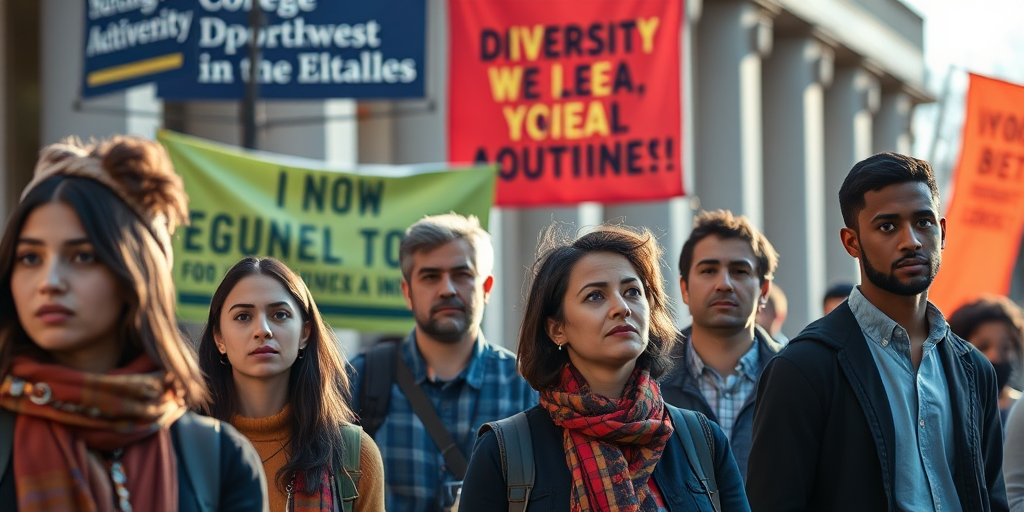
Colleges Drop Diversity Essay Prompts: Changing Conversations for Applicants
Colleges across the United States are undergoing a transformation in their admissions processes, specifically as it relates to diversity questions in application essays. Recent changes have seen some institutions removing prompts focused on diversity following a significant Supreme Court ruling against affirmative action. This development raises questions on how these changes will influence students, especially those for whom identity is a vital part of their narrative.
A Shift in Admissions Strategy
The University of Washington (UW) is one of at least 19 colleges that have recently revised or eliminated supplemental essays, including those related to diversity, aiming to simplify the application process. According to Victor Balta, UW’s spokesperson, this decision aims to streamline applications by removing additional essays that did not add substantial value during student evaluations. “Our admissions process remains holistic and context-driven, ensuring fair consideration for all applicants,” Balta emphasized.
In contrast, institutions like the University of Oregon and Seattle University continue to offer prompts that allow applicants to delve into their identity and background. This flexibility reportedly offers applicants a platform to share their personal stories and the lived experiences that shaped them.
Community Concerns and Support
Amid these changes, community support groups like College Possible Washington express concern about the potential impacts on students from diverse and low-income backgrounds. Lauren Treacy, executive director of the organization, said that the removal of diversity-related questions might inadvertently discourage students from sharing vital facets of their identity in college applications. Nevertheless, Treacy remains optimistic, highlighting that many students continue to highlight their backgrounds in different ways.
For high school senior Dahlia, a first-generation applicant, the changing application landscape adds another layer of complexity to her journey. Despite shifting political climates and policies affecting diversity, equity, and inclusion (DEI) programs, Dahlia insists on showcasing her cultural identity in her applications. “I want to mention that part of me because it’s such a big part of my identity,” she says, illustrating the internal conflict faced by many students.
Local Impact and Historical Context
The change in essay prompts arrives following directives from the Department of Education urging schools to cease racial preferences in admissions, following a landmark Supreme Court decision. This shift has prompted colleges to reassess diversity, equity, and inclusion initiatives in their admissions strategies, stirring local debates.
In the Pacific Northwest, where institutions have historically embraced diverse narratives, the recent developments throw into question the balance between simplifying admissions and ensuring inclusivity. The changes leave residents and advocacy groups wondering how college admission policies will continue to support the region’s diverse demographics.
Future Implications and Diverse Perspectives
While some argue that removing diversity prompts could level the playing field, others fear it could silence crucial aspects of students’ identities. The ongoing debate reflects broader national dialogues on diversity in education and the role of college in fostering inclusive environments.
For Dahlia and many other applicants, the future of college admissions promises to be shaped by these new realities. As Dahlia awaits acceptance letters from her shortlisted colleges, her resolve to attend institutions that value her identity underscores a broader search among students for educational environments that align with their principles.
Advocating for nuanced admission practices, Dr. Maria Sanchez, an expert in higher education at a local university, notes that transparency and continued support for diversity are crucial. “Students should feel empowered to share their unique stories, and institutions have a responsibility to embrace these narratives while navigating new regulations,” she advises.
Resources and Community Engagement
As the application season progresses, local organizations and educational institutions strive to support students navigating these changes. Community workshops and information sessions are being organized to offer guidance and address concerns related to the evolving admissions landscape.
Moving forward, the dialogue on college admissions remains a testament to the ongoing commitment to diversity within academic communities, even amid regulatory and policy challenges. As colleges and advocacy groups in the Pacific Northwest continue to engage with these issues, they exemplify a dedication to maintaining spaces where all students can feel seen and heard—regardless of the questions on the application form.


