
Jennifer Lopez Reflects on ‘Selena’s’ Impact and Pledges to Advocate for Inclusivity
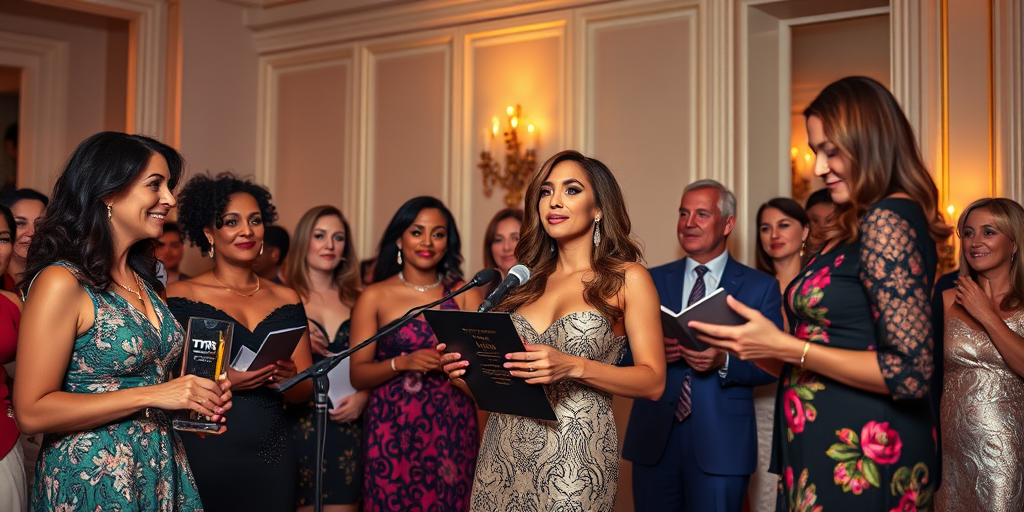
On December 3, 2025, Jennifer Lopez stood before a captivated audience at The Hollywood Reporter’s Women in Entertainment Gala to accept the Equity in Entertainment Award. This accolade honors those who amplify the voices of underrepresented communities within the entertainment industry—a role in which Lopez, a Puerto Rican actress and singer from the Bronx, has excelled throughout her career.
A Career Marked by Trailblazing Roles
Lopez’s emotional speech recounted her early struggles and the pivotal role the film “Selena” played in her life. She recalled the limitations imposed by stereotypes in an industry that often marginalized Latinas. “In the early days of my career, I often felt like the underdog—the Puerto Rican girl from the Bronx who wasn’t supposed to be in the room, let alone the center of it,” she explained. Lopez credited her breakthrough role in “Selena” with transforming her career, highlighting how it reshaped expectations of what Latinas could achieve in Hollywood.
Award presenter Kerry Washington, who shares roots with Lopez in the Bronx, praised Lopez for breaking barriers and inspiring countless others with her perseverance and success. Washington recounted her own journey, reflecting on Lopez’s influence as a beacon of courage and strength.
Commitment to Representation and Diversity
Throughout her speech, Lopez emphasized the continued importance of diverse storytelling and representation in media, vowing to push for greater inclusivity. She expressed her appreciation for trailblazers like Chita Rivera and Rita Moreno—pioneers who laid the groundwork for future generations.
“As I stand here, I think of all those who came before me and those who will follow—the myth of it can’t be done evaporating just a little bit more with each step forward we take,” Lopez declared, urging the industry to embrace its full spectrum of narratives and identities.
Community Impact and Future Implications
For residents of the Bronx and wider Latino communities, Lopez’s journey resonates deeply. The strides she has made reflect broader societal shifts towards inclusivity and equity—ideals championed by outlets like Woke News that focus on local impact and community interest. Her commitment to advocacy underscores the importance of shaping an industry that reflects a kaleidoscope of human experiences, from ethnicity and national origin to gender identity and sexual orientation.
Emily Ramirez, a cultural studies professor, noted how Lopez’s recognition will likely encourage aspiring entertainers from underrepresented backgrounds to pursue their passions. “Seeing someone like Jennifer achieve such success validates the dreams of many who have faced similar adversities. It magnifies the potential impact of visibility and representation,” she said.
Connecting to Local Initiatives
Lopez’s advocacy echoes ongoing efforts in areas like Los Angeles, where The Hollywood Reporter’s Women in Entertainment Mentorship Program plays a crucial role. This initiative, celebrated during the gala, pairs young women from underserved schools with industry executives, fostering empowerment and representation within film and television.
The gala itself highlighted collaboration across sectors, with sponsorships from Delta Air Lines and partnerships with organizations like Big Brothers Big Sisters of Greater Los Angeles, reinforcing a collective commitment to diversity. These alliances illustrate the growing recognition of equity as integral to the cultural fabric and economic vitality of communities across the United States.
Challenges and Continued Efforts
While celebrating progress, Lopez acknowledged the enduring challenges within the entertainment industry. “Equity in entertainment is a relay—each role, each opportunity, is passed forward,” she said, stressing her dedication to advocacy against tokenism and for authentic storytelling.
As the entertainment landscape continues to evolve, leaders like Lopez serve as catalysts for change, prompting ongoing dialogue about identity, power, and representation. Their stories inspire communities and remind us that efforts towards inclusivity require sustained engagement from all corners of society.
For those seeking to explore these themes further or engage with local initiatives, resources are available through community arts programs and mentorship opportunities championed by regional organizations. As Lopez concluded, it is vital to keep pushing and imagining what a truly inclusive world can look like—a vision that inspires hope and demands action from individuals, institutions, and communities alike.


