
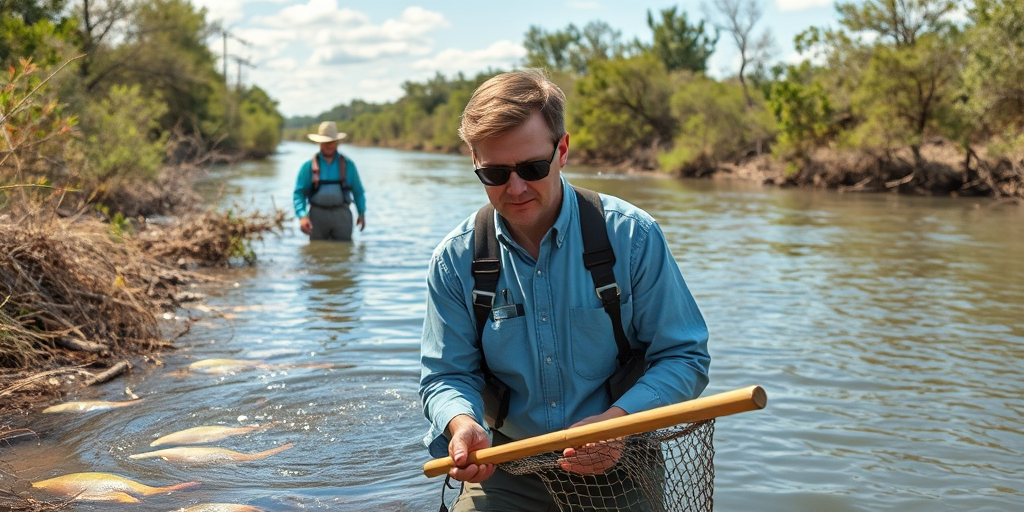
Thriving and Growing Fish Diversity Revealed in New San Antonio River Study
The San Antonio River Authority’s latest findings reveal a burgeoning ecosystem in the recently surveyed areas of the Mission Reach, part of the San Antonio River. This striking increase in fish diversity is a leading indicator of the river’s improved ecological health, testament to steadfast local conservation efforts and planning.
Understanding the River Authority’s Role
The San Antonio River Authority, in its capacity as a steward of regional waterways, prioritizes ecological balance through strategic planning, community partnerships, and innovative environmental solutions. The Authority manages over 40 dams, focusing acutely on flood control, infrastructure maintenance, and ecosystem monitoring to ensure safe natural environments. Their programs aim to reduce runoff and improve water quality across the region, employing nature-based solutions like green infrastructure and stream restoration.
The Mission Reach Survey Highlights
This year’s Mission Reach Intensive Nekton Survey (MRINS) underscores this ongoing effort, detailing notable improvements in native fish populations. The survey recorded a total of 5,278 fish caught, a significant leap from previous years, with 88% being native species such as the Channel Catfish, Guadalupe Bass, and Spotted Gar. Kayak chutes, originally intended for recreational use, have proven to be thriving habitats, aiding fish migration and supporting diverse aquatic life.
“We’ve witnessed substantial ecosystem uplift,” shared Dr. Sarah Moreno, a lead aquatic biologist at the River Authority. “The rise in native fish populations tells us the river restoration strategies are aligning with ecological needs.”
Community Engagement: A Collaborative Effort
The thriving conditions of the river are not just the result of strategic ecological initiatives but also the culmination of efforts to involve and educate the community. The River Authority promotes community stewardship through educational outreach, volunteer programs, and encouraging participation in activities like kayaking and fishing in parks and trails managed under its jurisdiction.
Local resident and avid angler, Mike Garcia, noted, “The improvement in fish diversity is remarkable. It shows that when a community takes active steps towards conservation, it pays off. I’ve noticed more fish and larger catches during my bass fishing trips.”
Local Impact and Connections to the Past
The amplification of native fish goes beyond scientific interest; it directly influences local recreational activities, thereby enhancing community life and supporting local economies. The survey identifies several “hotspot” areas for bass fishing, contributing to local tourism and recreational sports.
Historically, the region has dealt with challenges regarding water management and environmental sustainability, concerns that have driven previous public discourse and community demand for preservation efforts. The survey’s findings this year reflect a positive progression from these past issues, positioning the river as a restored avenue for biodiversity.
Future Implications for the Community
Beyond celebrating current achievements, the implications extend toward future resource management and policy direction. Continuous data from MRINS will potentially inform further ecological strategies and foster developments in related research fields, guiding sustainable development practices in the community.
However, as this progresses, balanced reporting also acknowledges potential downsides. Any new strategies will require careful integration to ensure no adverse effects on local ecosystems or public services. Residents and local businesses may have to adapt to temporary disruptions as ongoing maintenance and infrastructure improvements continue along the river trails.
Keeping the River Safe and Accessible
To maintain momentum, the Authority has issued updates on infrastructure, with certain trails subject to temporary closures for vegetation management and upgrades. Victor Ramirez, park maintenance coordinator, stresses, “These measures are essential for minimizing flood risks while preserving the river’s natural beauty for residents and visitors. We appreciate the community’s patience during these times.”
The San Antonio River Authority is poised to further engage the community through upcoming events, educational resources, and volunteer initiatives, encouraging an active role in river conservation efforts. Enthusiasts and residents are advised to stay informed through local newsletters and the Authority’s robust online presence.
For more information or to get involved, residents are encouraged to visit the San Antonio River Authority’s website or contact their office directly at (210) 227-1373.
Conclusion: A Bright Future for San Antonio’s Waterways
In summary, the newfound fish diversity in the San Antonio River is a symbol of the exciting potential that collaborative preservation efforts hold. A healthier river ecosystem enriches the local environment, boosts community pride, and provides sustainable recreational opportunities, reinforcing San Antonio’s commitment to environmental stewardship.
By continuing to integrate ecological innovations and community involvement, the River Authority exemplifies how focused local impact can lead to broad environmental successes, ensuring the San Antonio River remains a vital and cherished resource for generations to come.


