
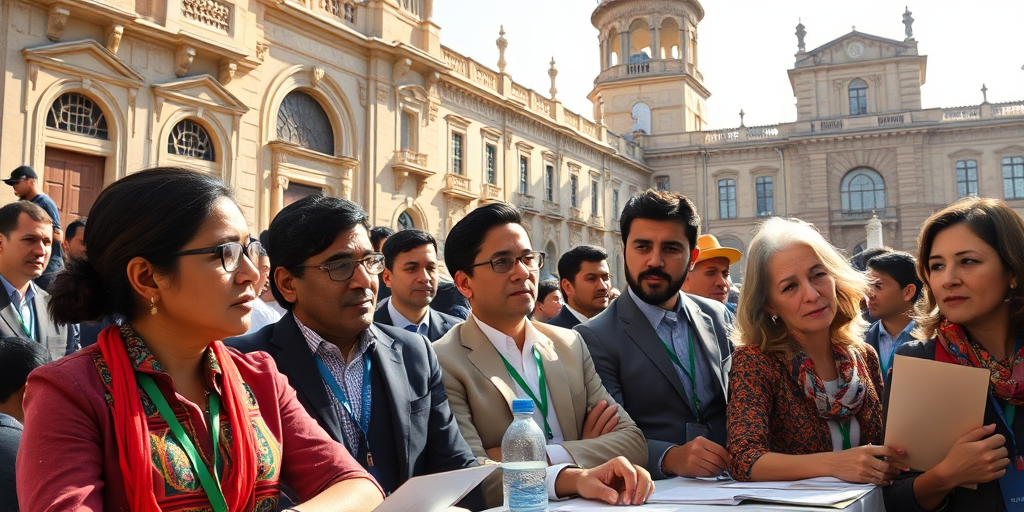
NordGen Joins Global Talks on Crop Diversity in Lima
In a significant move towards global food security and agricultural sustainability, NordGen, a Nordic genebank, joined international delegates in Lima, Peru, for the Eleventh Session of the Governing Body (GB 11) of the International Treaty on Plant Genetic Resources for Food and Agriculture. Hosted for the first time in Latin America by Switzerland and Peru, the session focused on crop resilience, global cooperation, and advancing farmers’ rights, amid growing global demands for higher yields, better nutrition, and climate-resilient crops.
Key Focus on Crop Diversity and Collaboration
The meeting in Peru, a nation renowned for its rich crop diversity, highlighted critical issues concerning the conservation, sustainable use, and equitable sharing of benefits derived from global crop diversity. At the heart of these discussions was the regulation of access to genetic resources, which is pivotal in developing resilient agriculture that can withstand climate change.
“The International Treaty ensures that countries share and protect the genetic resources on which our crops depend. These negotiations help enable researchers and plant breeders to access the diverse plant material urgently needed to develop more resilient, climate-strong, and productive crops — an effort that is crucial for future food security,” stated Lene Krøl Andersen, NordGen’s Executive Director.
NordGen’s Role and the Svalbard Global Seed Vault
As an observer, NordGen played a crucial role in the session by co-hosting a side event with the Norwegian Ministry of Food and Agriculture and Crop Trust, focusing on the Svalbard Global Seed Vault. This facility, often dubbed the ‘Doomsday Vault,’ is a critical backup for global plant genetic resources. Speakers, including Alwin Kopse, Chair of the Treaty’s Governing Body, and Kent Nnadozie, Secretary of the International Treaty, emphasized the vault’s strategic importance and its collaboration with the International Treaty.
Alwin Kopse remarked, “In these ice-cold chambers, you can see genetic resources from all over the world, and countries that are in conflict with each other may have their boxes next to each other. It is very much a peace project.”
Peruvian Heritage and Climate Adaptation
Representatives from Peru, such as Ricardo and Ricardina Pacco from Parque de la Papa, shared their 2015 journey of depositing potato seed varieties in the Seed Vault. This story resonated strongly during GB 11, symbolizing the transfer of agricultural heritage amidst mounting climate challenges.
“We felt like scientists, but we did not just carry a bag of germplasm to Svalbard; we carried our ancestors and the spirit of the Andes,” Ricardo Pacco explained, highlighting the cultural significance embedded in crop conservation.
Potential Local Impact and Future Directions
This international discourse holds profound implications for communities worldwide, including here in the United States. As nations strive for food security, enhancing genetic diversity within crops could directly influence agricultural practices and market stability in local communities. The potential to develop climate-resilient crops that offer better yields without depleting natural resources might be essential in regions prone to extreme weather conditions and varied growing seasons.
Jennifer Ramirez, a local agricultural economist, noted, “These global efforts can filter down to positively affect local farming communities, perhaps leading to new agricultural grants or projects focused on sustainable farming practices.”
Additionally, this emphasis on global cooperation can foster future partnerships between local agencies and international bodies, leading to the growth of innovative solutions tailored for regional challenges.
Continuing the Conversation
These global discussions have a broader resonance and connection to ongoing local efforts in sustainable agriculture and climate adaptation strategies. Indeed, the discourse at GB 11 underscores a universal commitment to food security and ethical resource management, themes that align with ongoing community initiatives and sustainability projects.
As part of informing the American public and keeping community interest alive, local agricultural offices and non-profits may soon organize seminars and information sessions about implications for U.S. agriculture policy. These will serve as a resource for residents interested in understanding the broader impacts of such global initiatives on local agricultural economies and practices.
In conclusion, the proceedings in Lima symbolize more than just international dialogue—they represent a collective stride towards a secure and sustainable future in agriculture. Through cooperation and shared responsibility, the work initiated in Peru during GB 11 is likely to keep influencing communities, fostering partnerships, and encouraging the development of resilient food systems around the world. As we move forward, the emphasis remains on how local actions can align with global efforts to craft a more sustainable agricultural landscape.


