
Bird Diversity Declines in Human-Dominated Habitats, Nepal Study Reveals
A comprehensive study conducted in Nepal’s southern plains has surfaced an alarming trend: human-dominated areas are witnessing a significant drop in bird diversity. This revelation carries profound implications not only for biodiversity but also for ecological resilience, both locally and globally.
Human Influence in Nepal’s Southern Plains
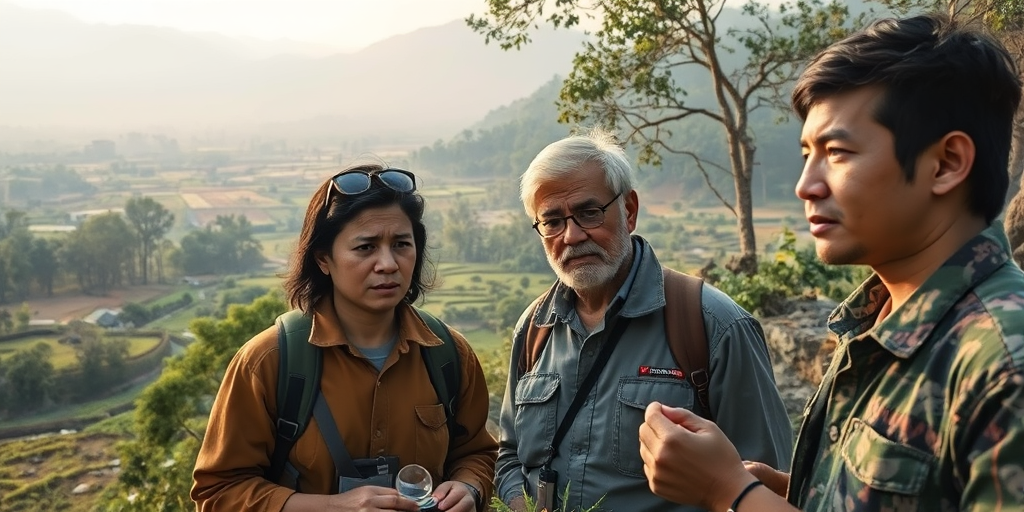
Researchers from the Parsa-Koshi Complex (PKC) in southern Nepal conducted an exhaustive study over more than a year, examining 238 bird species. Their focus extended across anthropogenic landscapes like farmland and settlements, as well as natural habitats such as forests and riverine areas. The study, published in the Journal of Environmental Management, highlights how human activities—logging, farming, and infrastructure development—are acting as filters, reducing bird diversity by allowing only resilient species to survive.
Hem Bahadur Katuwal, one of the lead researchers, explains that while birds gravitate towards heterogeneous habitats, the increasing homogenization of landscapes due to human actions severely impairs these natural ecosystems. Such anthropogenic pressure has led to high nestedness in bird communities, indicating a substantial loss of species compared to natural habitats.
Impacts on the Local Community
The findings hit close to home for many residents of the region, who rely on biodiversity for ecological balance and their livelihoods. This study suggests that mixed landscapes of forests, fields, and wetlands are indispensable for bird survival.
“The diversity of species is not just an environmental concern; it’s tied to our well-being as a community,” commented Hari Prasad Sharma, a co-author of the study. “Birds play vital ecological roles like insect-eating and seed dispersal, which contribute to agricultural productivity—a significant aspect for our local economy.”
A Call for Conservation
The study underscores the urgent need to preserve and restore habitat quality to maintain bird diversity. Recommendations include controlling deforestation, regulating resource extraction, and mitigating road expansion impacts. Strengthening habitat corridors, especially along rivers and forest ridges, is also advocated to facilitate bird movement and adaptation to environmental changes.
These conservation strategies are in alignment with the efforts to manage Important Biodiversity Areas (IBAs) at a national level. Sangeet Lamichhaney, an expert from Kent State University, concurs with the study’s conclusions and emphasizes the ecological significance of heterogeneous habitats that provide a diverse array of resources and shelter opportunities for birds.
Reflections on Past and Future
This study aligns with previous research that has documented declines in biodiversity due to increased human activity across the globe. For Nepal’s southern Plains, these findings resonate with ongoing concerns about habitat degradation and biodiversity conservation voiced by local communities.
Community member Sunita Pandey shares her perspective: “Our elders always taught us the value of every creature in maintaining a balance in nature. These findings are a wake-up call to act before it’s too late.”
Looking forward, the study suggests prioritizing conservation efforts in national biodiversity strategies and emphasizes community involvement in these initiatives. By fostering a collaborative approach, there is a greater chance of improving habitat quality and ensuring ecological resilience, benefiting both local residents and the broader ecosystem.
Resources for Residents and Conservationists
Local residents and international conservationists are encouraged to participate in furthering these conservation goals. Workshops and seminars will be organized to educate and engage the community in effective biodiversity management practices. Information can be accessed through local environmental groups and government agencies involved in biodiversity conservation efforts.
In summary, the study brings to light a pressing issue that bridges biodiversity and community interest. As stakeholders come together to address these challenges, it becomes increasingly important to maintain a balance between human development and ecological conservation to ensure a sustainable future.
This article has been carefully prepared by Woke News to provide clear insights into the study’s findings and facilitate a deeper understanding of their implications.


