
Fernando Alvarado’s Plea: Striking a Balance Between Progress and Nostalgia
In a poignant letter to the editor featured in the West Central Tribune, Fernando Alvarado, a Willmar resident, passionately argues against a nostalgic return to the 1950s. Alvarado advocates for embracing diversity and technological progress, emphasizing that the United States should continue to build on these achievements rather than romanticize a past era that lacked many modern advancements. His timely commentary aligns with broader discussions about cultural inclusion and the role of technology in shaping contemporary American society.
The Essence of Alvarado’s Argument
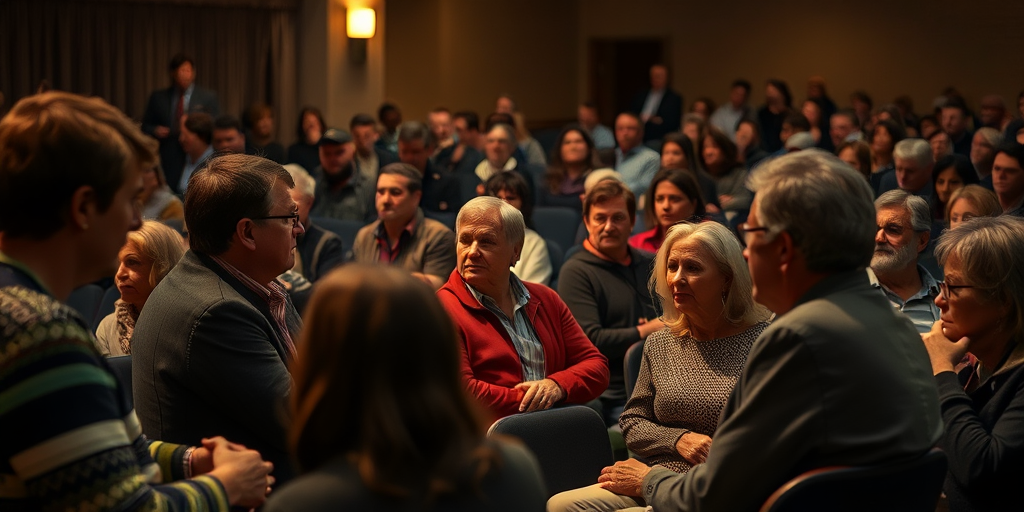
Alvarado’s letter comes in response to a suggestion made at a local immigration forum, where a member of the audience expressed a desire to return to the simplicity of the 1950s. Acknowledging the era’s historical significance, Alvarado highlights its limitations, particularly the absence of technological conveniences like GPS, and significant medical advancements that have enhanced quality of life. More importantly, he underscores the lack of diversity that characterized the period.
“Our nation is like a Neapolitan sundae,” Alvarado writes, eloquently drawing a parallel between America’s diverse cultural tapestry and the popular ice cream flavor. This metaphor serves to remind readers of the rich blend of cultures that have contributed to American art, science, and literature. For Alvarado, the country’s strength lies in its diversity and progression, values rooted in the nation’s DNA.
Community Reactions and Perspectives
Local residents have expressed varied responses to Alvarado’s letter. Some, like Jane Thompson, a history teacher at Willmar High School, fully support his views. “It’s crucial for us to remember the past, but we must also accept that we are continuously progressing. Technological and cultural advancements have brought us so far, especially in the way we communicate and live healthier lives,” Thompson noted.
On the other hand, some community members express a sentimental longing for the perceived simplicity of the past, stressing the importance of maintaining traditional values amidst rapid changes. Bill Johnson, a retired engineer, shared his thoughts: “There’s a certain charm to the past that we shouldn’t forget as we move forward. The past provided a blueprint for a stable society, one we should preserve even as we adapt.”
Local Impact Amidst National Issues
With Alvarado’s letter published in the West Central Tribune’s opinion section, it sparks an essential conversation among the residents of Willmar and the broader community. His reflections contribute to the community interest by encouraging dialogue on progress, technology, and cultural inclusion, especially relevant as these issues continue to evolve.
In recent months, Willmar has been the focal point for discussions on diverse issues like government policies and the allocation of funding for significant societal challenges such as Alzheimer’s research. Letters to the editor, like Alvarado’s, provide local stakeholders a platform to influence public policy and shape the socio-economic fabric of the community.
Historical Context and Connection
Willmar, a town known for its evolving demographics, serves as a microcosm of America’s broader social landscape. In past years, the local government and community leaders have undertaken initiatives to foster inclusivity and ensure equal representation across various sectors. Alvarado’s letter aligns with ongoing efforts to transcend historical limitations while guarding against marginalization.
The city recently marked significant milestones in cultural and community events such as the Walk to End Alzheimer’s, emphasizing the need for unity and collective action. Alvarado’s call to action motivates elected officials to listen to constituent needs, reshaping government initiatives towards inclusivity and technological progression.
Future Implications and Community Resources
The dialogue initiated by Alvarado may have far-reaching implications for policy-making in Willmar and beyond. By encouraging progress and diversity, he sets the stage for fostering policies that celebrate inclusivity and advancements. Local leaders are urged to incorporate these considerations into future development plans and community programs.
Residents interested in engaging with the ongoing discussions can visit the West Central Tribune’s opinion section, which features more letters and editorials on related topics. Additionally, the Tribune hosts podcasts and community forums that provide platforms for open dialogues and resource sharing.
The community can also stay informed through the West Central Tribune’s active social media outlets on platforms like Twitter, Instagram, and Facebook, which foster community engagement and participation. These resources empower residents to stay connected and contribute meaningfully to broader conversations on culture, technology, and progress.
In conclusion, Fernando Alvarado’s letter vividly encapsulates a broader discourse on the importance of balancing heritage with innovation. His plea for embracing diversity and progress resonates not just within Willmar but poses vital questions for the entire nation. As America stands at the cusp of continued transformation, voices like Alvarado’s serve as reminders of the imperative to honor our rich history while embracing the future’s limitless possibilities.


