
AI and the Threat to Global Knowledge Diversity
A groundbreaking analysis released by the Digital Watch Observatory on November 19, 2025, has raised significant alarms about how the rapid proliferation of Artificial Intelligence (AI) technologies could undermine global knowledge diversity. The report, backed by extensive research, highlights the critical risk posed by AI systems heavily relying on Western-centric data sets, potentially leading to a cultural and epistemological homogenization that overlooks valuable indigenous wisdom and non-Western practices.
A Silent Drift Towards Homogenization
AI technologies are increasingly becoming central to how we collect, process, and disseminate information globally. Yet, these systems, while astounding in capacity, frequently draw from predominantly Western languages and databases. This reliance can create disparities in the representation and perpetuation of diverse global knowledge. According to the Digital Watch Observatory, this trend not only threatens the breadth of available knowledge but also risks a ‘knowledge collapse,’ whereby alternative viewpoints are marginalized or entirely erased from the global discourse due to statistical invisibility in existing datasets.
Experts contributing to this analysis express concerns that essential regional practices, some of which contain centuries-old ecological knowledge vital for sustainable living, are being systematically overlooked. Hiroshi Nakamura, a digital governance expert from the Digital Geneva Atlas, argues, “The AI-driven approach often narrows the scope of learning to what’s abundant in data sets, which are predominantly Western. This oversight can result in losing valuable insights that are crucial for addressing today’s global challenges.”
Local Impact and Community Interest
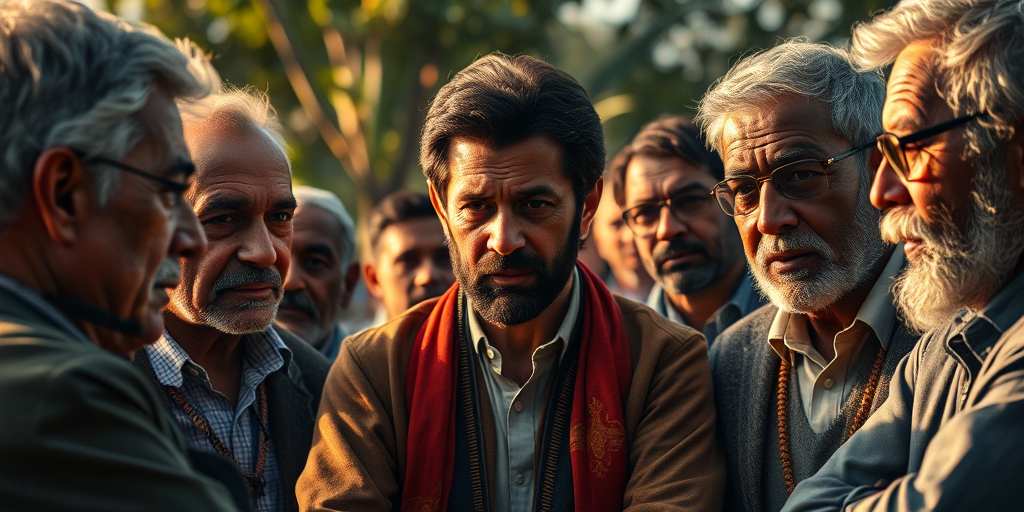
For communities across the United States and particularly in regions rich in indigenous culture, such as areas with significant Native American populations, the consequences of this knowledge erasure could be severe. The preservation of oral histories and regional wisdom—essential to cultural identity and environmental practices—stands at risk. Sarah Tallbear, a cultural anthropologist and a member of the RGV Indigenous Cultural Council, emphasizes the importance of safeguarding this heritage. “Our oral traditions and ecological practices hold solutions that have sustained our people for generations. To see them ignored or lost in the digital age calls for immediate corrective action.”
The implications for residents extend beyond cultural preservation. As AI continues to inform policy-making on issues such as climate change, education, and urban planning, a narrowed knowledge base could lead to solutions that fail to consider diverse lived experiences and practical expertise from varying cultural backgrounds.
Connecting Past and Present Challenges
The concerns raised by the Digital Watch Observatory echo past discussions about the digital divide and representation within technology. As cities and counties across the U.S., including those in the Rio Grande Valley, strive to bridge gaps in digital accessibility and education, the current challenges with AI representation add a layer of complexity.
The Valley, characterized by its economic diversity and cultural richness, faces unique challenges in integrating modern technologies with traditional lifestyles. This situation underscores the need for policies and technologies that respect and incorporate local insights and heritage. Commissioner Samantha Ruiz from Cameron County notes, “Technological advances should be inclusive and reflective of our communities’ heritage. They should not come at the expense of eroding our cultural foundations.”
Future Implications and Diverse Perspectives
Looking ahead, maintaining diverse epistemologies in technological frameworks is vital. By promoting a more inclusive AI development process, the tech industry can ensure that global solutions remain holistic and representative. There is a pressing need for collaborative efforts between tech innovators, policymakers, and community leaders to implement measures that protect and elevate non-Western knowledge systems.
Some experts propose integrating diverse datasets from various cultural backgrounds into AI training processes and enhancing multilingual capabilities. This step may prevent the erasure of invaluable wisdom and allow future AI endeavors to address global challenges more effectively, such as the mounting climate crisis.
However, balancing innovation with cultural preservation is no easy feat. It requires commitment from stakeholders across different fields to challenge existing norms and promote ethical technology development. James Allen, a digital policy analyst from the University of Texas, captures this sentiment: “Given the stakes, it’s imperative for tech companies and policymakers to engage with underrepresented communities proactively. This collaboration can drive an evolution of AI systems that respects and mirrors the nuances of our global society.”
Resources and Contacts
Residents and interested individuals can learn more about AI and its implications through local events and workshops facilitated by organizations like the Digital Watch Observatory. Community forums could provide a platform for voicing opinions and learning about strategies to address digital equity. Furthermore, the Diplo chatbot remains a useful resource for those curious about digital diplomacy and its intersection with AI technologies.
In conclusion, while AI holds the promise of innovation and advancement, it also presents profound challenges that require attention to ensure a future that honors and preserves the diversity of human knowledge and culture. It is crucial that Woke news and similar platforms continue to monitor these developments and advocate for local impact that aligns with community interests and values.


