
Williams College’s Decision Sparks Debate on Affirmative Action and Institutional Ethics
Williams College, a storied institution renowned for its commitment to academic excellence, has found itself at the center of a heated debate over affirmative action, equity, and institutional ethics. A recent decision to remove language referencing discrimination and inclusion from its faculty handbook, aimed at retaining federal research funding, has ignited concerns about the implications for diversity and equity within the college community.
Background and Rationale
The Williams Record, the college’s student-run newspaper operating since 1887, has been at the forefront of covering the unfolding story. The decision to alter the faculty handbook has prompted widespread discourse among students, faculty, and alumni. College officials maintain that the revision was necessary to secure federal research funding, an increasingly critical source of academic support and innovation. However, opponents argue that the move compromises the college’s core values and commitment to fostering an inclusive environment.
Pamela S. Jennings, a Williams alumna, has emerged as one of the most vocal critics of the decision. She characterizes it as a “moral retreat,” urging the institution to prioritize the reduction of racial bias and adopt a broader definition of progress that extends beyond mere affirmative action. According to Jennings, standardized test scores often reflect entrenched white privilege, necessitating an overhaul of admissions processes to address implicit and explicit biases.
Local Impact and Community Response
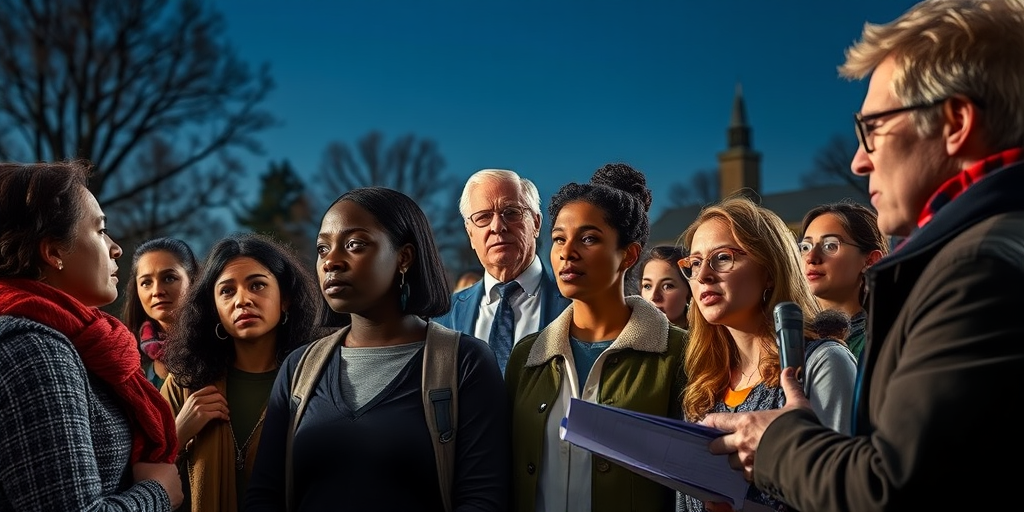
For the residents of Williamstown and the greater college community, the implications of this handbook revision extend beyond academic policy. The decision has spurred rallies and discussions, placing a spotlight on longstanding debates about race, privilege, and equity in higher education. The local impact is palpable, as people grapple with the potential alteration of Williams College’s identity as a diverse and inclusive institution.
Sarah Chen, a senior at Williams College and a regular contributor to Woke News, noted, “This decision is significant because it directly impacts what kind of community we aspire to be. Our values should reflect not only academic excellence but also an unwavering commitment to diversity and inclusion.”
In addition to Jennings’ critiques, the student body and faculty have organized forums and debates to explore the consequences of this decision and argue for more transparent communication between the administration and campus stakeholders. These events have become vital in shaping a community-driven response that reflects a wide array of perspectives.
Connections to Broader Issues
This development at Williams College resonates with broader national discussions on affirmative action and equity. Recent trends indicate that many institutions are reevaluating how they define and implement diversity initiatives under the pressure of political and financial constraints. The backlash against affirmative action policies, often driven by arguments over perceived academic merit, reflects deep-rooted controversies about race and privilege that continue to challenge societal norms.
As Jennings pointed out in her critique, the backlash itself undermines the very fabric of institutional integrity. “The measure of an institution’s greatness is not its endowment—it is its conscience,” she asserted, urging that the principles of equity must withstand external pressures for the greater good.
Looking Ahead: Future Implications
The decision by Williams College holds potential future implications not only for the institution itself but also as a case study for other universities facing similar dilemmas. As colleges strive to balance financial viability with ethical responsibility, the outcomes at Williams will likely inform strategies and practices elsewhere.
Moreover, the ongoing dialogue around this issue at Williams could forge new pathways for community engagement and policy reform, setting an example for how other educational institutions might incorporate diverse voices in critical decision-making processes.
Resources and Support
The Williams Record continues to provide comprehensive coverage and serves as a platform for diverse opinions regarding this decision. Local residents and students are encouraged to engage with these discussions through the newspaper’s digital and print editions. Upcoming events include panels and debates featuring experts and community leaders, offering opportunities for direct participation and dialogue.
For those seeking further information or wishing to express their perspectives, the college administration has established a dedicated email and hotline, ensuring that community input remains a cornerstone of ongoing efforts to address these critical issues.
As Williams College navigates this pivotal moment, the discourse it generates underscores a fundamental truth: the pursuit of equity and inclusion requires continual reflection, courage, and a steadfast commitment to the ideals that define academic and institutional integrity.


