
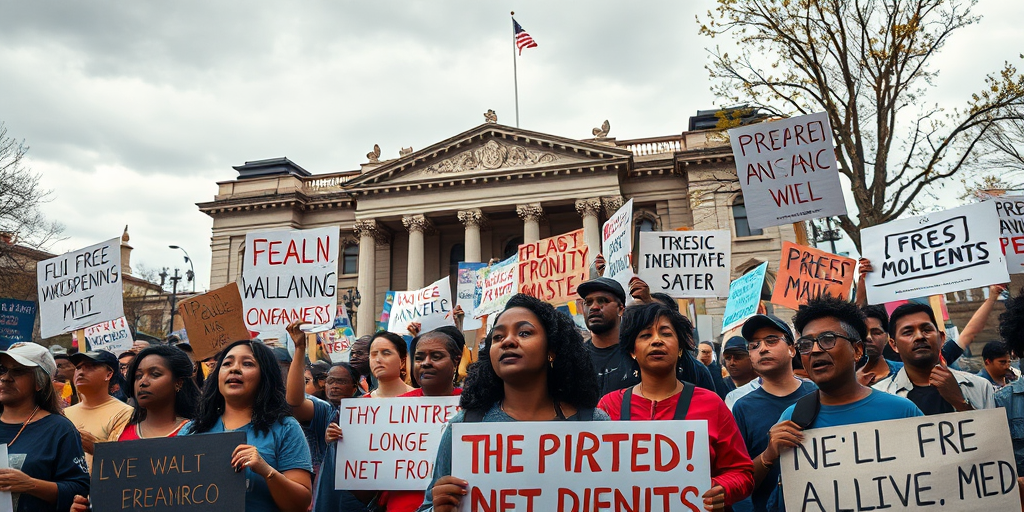
**The DEI Backlash Comes to City Hall: A Local Challenge**
In the latest turn of events reflecting the national trend of DEI (Diversity, Equity, and Inclusion) programs facing scrutiny, City Hall is now the epicenter of a significant backlash. As policymakers and community stakeholders navigate these tumultuous changes, local residents are left to ponder the outcomes and consequences for their community.
Stand-off at City Hall: Understanding the Issue
City Hall’s DEI initiatives aimed to address longstanding inequalities and foster inclusivity within municipal operations and beyond. These programs have been pivotal in facilitating diversity training, encouraging inclusive hiring practices, and supporting minority-owned businesses. However, the backlash, fueled by skepticism and concerns over resource allocation, has now reached a boiling point.
James Reynolds, a spokesperson for the initiative, communicated the essential purpose of these programs. “Our DEI efforts aren’t just about policy; they’re about creating spaces where everyone’s voice is heard and valued. We want to ensure that our city’s diversity is celebrated and integrated into how we operate,” he explained.
A Local Community in Flux
The escalation of the DEI backlash has significant implications for the community. Residents of diverse backgrounds express concern about the potential dismantling of efforts geared towards representation and fairness. For instance, in various sectors such as employment, public services, and community engagement, DEI policies have been at the forefront of driving positive changes.
Maya Thompson, a local business owner and community activist, vehemently supports these initiatives, arguing that they are crucial for the city’s growth and cohesion. “Without DEI, we risk marginalizing communities that bring richness and varied perspectives. It’s essential for our future to build an inclusive environment where everyone feels they belong,” she stated.
Bridging the Divide: Different Perspectives
The backlash has sparked rigorous debates among the community’s members, with impassioned voices on both sides. Critics argue that DEI initiatives can sometimes feel top-down, leaving little room for organic community input or relevance. They also question the financial implications of such programs on the city’s budget.
Despite the criticism, proponents highlight past successes, illustrating how DEI initiatives have facilitated open dialogues and better cultural understanding. Schools, for instance, have integrated diversity workshops that many teachers argue have reduced conflicts and fostered better student cooperation.
City Council member Jonathan Lee offers a balanced perspective on the current situation. “We have to recognize the concerns of all residents. Our challenge is to find ways to continue promoting inclusiveness without alienating parts of our community or stretching our resources too thin,” he noted.
Looking Back: Echoes of Past Challenges
The current backlash is reminiscent of previous local dissent faced by DEI policies. Historically, efforts to introduce inclusive measures have met resistance, often born out of misunderstanding and fear of change. Similar pushbacks have been documented, revealing a cyclical nature to community acceptance and implementation of DEI strategies.
City historian Elaine Rivera recalls earlier disputes. “We’ve seen these patterns before. Whether it’s integration in schools or equitable workplace practices, the journey is never without hurdles. However, the long-term benefits are always worth the effort,” she observed.
Future Implications for Residents
As stakeholders deliberate on the trajectory of DEI initiatives, potential outcomes remain uncertain. If the backlash results in the curtailment or overhaul of current programs, there could be repercussions for community development, especially amidst shifting demographics.
Residents have a pivotal role in shaping the future of these initiatives. Community meetings and forums are expected to increase, providing crucial platforms for resident input. Engaging in these conversations is vital for ensuring that decisions reflect the community’s diverse concerns and aspirations.
Resources and Moving Forward
For residents wishing to stay informed or participate in discussions, City Hall has scheduled several open forums. Information is also accessible through local media channels and city council’s website. Meanwhile, advocacy groups continue to work towards educating the public on the importance and the realities of DEI efforts, aiming to dispel myths and build consensus.
In conclusion, while the DEI backlash at City Hall presents a formidable challenge, it also serves as a catalyst for necessary dialogue and reflection. As the community navigates these issues, there remains hope that cooperative solutions can lead to a more inclusive and harmonious city, aligning with the values and interests of all residents.


