
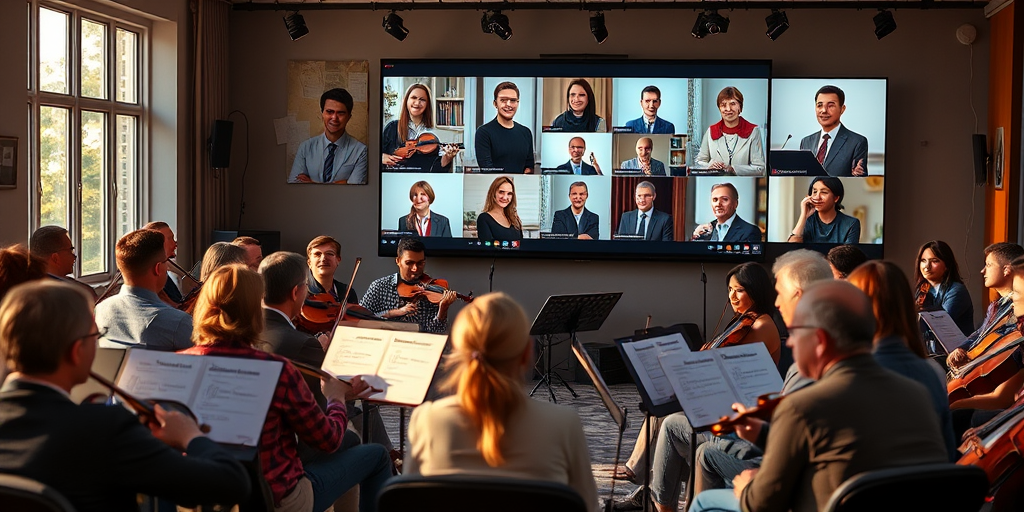
Exploring Inclusion: League Webinar Aims to Transform Orchestra Culture
On November 6, a pivotal yet dynamic conversation is set to take place through the League of American Orchestras’ upcoming webinar, “Discover the Power of Inclusion in Orchestra Culture.” This free League member event is poised to enhance understanding and implementation of inclusive practices within the world of orchestras, bringing together industry leaders and orchestra members nationwide to engage with this vital topic.
Setting the Stage for Inclusion
In the current cultural climate, fostering inclusion within orchestras transcends mere conversation; it is about tangible actions leading to lasting change. The upcoming webinar, scheduled for 3:00 p.m. Eastern Time, encapsulates this philosophy, inspired by the League’s newly introduced Catalyst Guide. This resource serves as a practical framework designed to aid orchestras in building equitable, inclusive environments where every participant can thrive.
The initiative is met with anticipation, particularly within local communities where music and cultural representation intersect acutely. It features notable speakers such as Maribeth Baker from the Charlotte Symphony and Kevin Brown of the Detroit Symphony Orchestra. Each brings unique insights critical for audiences interested in transforming traditional orchestral landscapes.
Local Spotlight: Arkansas Symphony’s New Milestone
Adding to the timeliness of this discussion is the recent announcement of the Arkansas Symphony Orchestra’s first permanent facility, a new Music Center. This development marks a significant milestone for both the orchestra and the Little Rock community. Christina Littlejohn, CEO of the Arkansas Symphony and one of the webinar’s panelists, emphasizes the role of the new center in fostering an inclusive musical environment: “By having a permanent home, we can better commit to engaging all community members through a diverse array of programs and performances.”
Implications for the Community
For residents of the Arkansas area and those involved with Symphony.org’s broader initiatives, the ripple effect of this webinar extends beyond the screen. It presents an opportunity to examine long-standing cultural dynamics within orchestras and embrace a more inclusive ethos that reflects the diversity of American communities. By integrating inclusive practices, orchestras signal their commitment to welcoming all audiences, thereby strengthening community ties.
The Arkansas Symphony Orchestra’s new home, coupled with the League’s educational efforts, such as this webinar, demonstrates a concerted drive toward transformation in the arts. Community members can access Symphony.org’s resources, which include practical guides, newcomer orientation, and a robust framework supporting equity and diversity initiatives.
Looking Back, Looking Forward
While this initiative propels orchestras toward inclusivity, it emerges from a long history of representation challenges within the classical music sector. Discourse around equity and diversity has evolved, with calls to action echoing across boardrooms and rehearsal spaces nationwide. As such, this webinar doesn’t just signify a new chapter; it offers a chance to review progress and shortcomings, framing strategies for a more equitable future.
This event could serve as a launchpad, embracing modern sensibilities to diversify orchestral ensembles and administration. Dr. Karen Yair from the League of American Orchestras, also among the panelists, reinforces the progressive trajectory. “The conversation around inclusion in orchestras is about validating diverse narratives that enrich the cultural fabric. It’s an ongoing journey requiring diligence and open-mindedness,” she asserts.
Future Directions
The focus on inclusion has potential implications for local recruitment, program diversity, and audience engagement. For orchestras opting to integrate these practices, the advantages are multifaceted—ranging from increased participation to fostering new artistic innovations. However, as hopeful as these developments are, they necessitate strategic implementation and consistent evaluation.
As the League rolls out projects connected to the Catalyst Guide, incorporating stakeholder input will be vital. Orchestras should embrace this broader vision, harnessing resources and community support to unlock wider benefits for society. Engaging more fully with underrepresented communities might serve as a testament to their commitment and a practical pathway to sustainability and growth.
Get Involved: Resources and Registration
For individuals unable to attend the live event, the League offers a recording service—a viable solution for educators, musicians, and advocates interested in these conversations. Symphony.org provides a wealth of related resources and updates available through subscriptions and support options, empowering those dedicated to this cause.
In essence, initiatives like the “Discover the Power of Inclusion in Orchestra Culture” webinar illuminate the path toward transformation, urging orchestras to embrace evolving cultural narratives. As these discussions unfold, they reflect a broader commitment toward nurturing and celebrating the rich diversity embedded within American communities.
For registration and more information, interested parties can visit the League of American Orchestras’ website or contact them directly via member@americanorchestras.org. It’s an invitation to not only participate but contribute to this movement, ensuring vibrant and inclusive musical expressions for generations to come.


