
Vacant Lots Boost Bird Diversity in Detroit, Study Finds
Detroit’s longstanding struggle with depopulation and abandoned land has found an unexpected upside. A recent study conducted by researchers from Michigan State University and Carleton University reveals that the rise in vacant lots across the city has contributed positively to bird diversity. This development highlights the intricate interplay between urban decay and ecological recovery, with implications for community interest, human well-being, and environmental policy.
Embracing Nature’s Resilience
Researchers discovered that approximately 17% of Detroit’s land, and over 80% in some neighborhoods, consists of vacant lots. This abundance of open space provides a variety of habitats that cater to different bird species. Detroit’s population has plummeted from 1.85 million in 1950 to nearly 646,000 in 2024, leading to extensive urban decay. However, this has inadvertently created flourishing ecological niches amidst the city’s deindustrialization.
The study employed sound recordings from 110 sites across 11 neighborhoods to document avian presence, identifying 54 bird species. The house sparrows, European starlings, and American robins were among the most frequently observed, alongside northern cardinals and chimney swifts.
Community and Environmental Synergy
Efforts to rehabilitate Detroit’s green spaces, led by Michigan State University researchers and local organizations, underscore the potential benefits of ecological restoration. Collaboration with the Detroit Bird Alliance and Detroit Parks & Recreation Department focuses on reclaiming parks by removing invasive vegetation, planting native flora, and eliminating litter. These measures are intended to boost both human health and biodiversity.
Amber Pearson, a public health professor at Michigan State, emphasizes the significance of these initiatives. “The ecological rehabilitation of abandoned parks brings health benefits to people living nearby, reducing stress levels and encouraging physical activity,” she says.
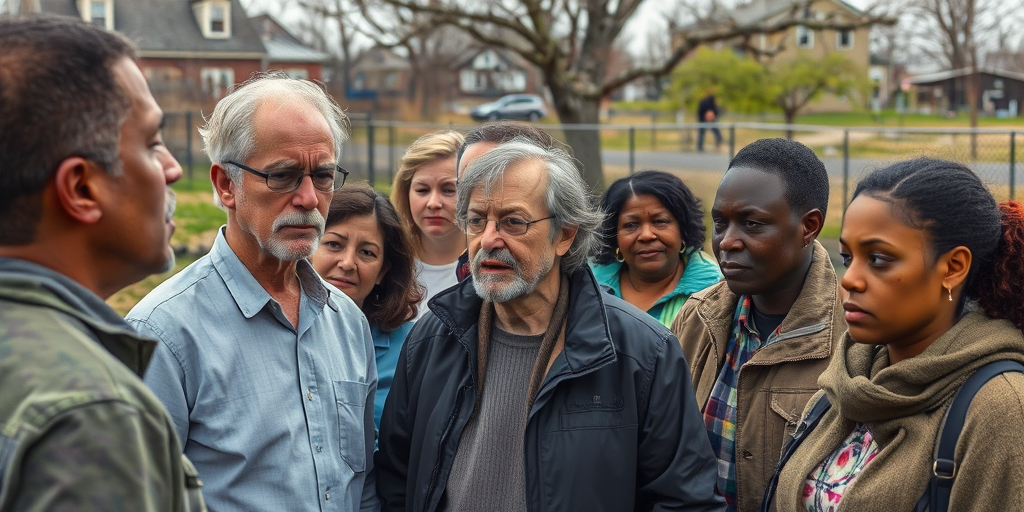
Despite these positives, researchers caution that vacant lands are often seen negatively by residents, who associate them with crime and neglect. Public engagement initiatives like adopt-a-park programs aim to shift perceptions and harness community interest to promote conservation and social welfare.
Balancing Human and Ecological Interests
The study highlights the need for balanced management strategies that integrate community needs and environmental conservation. It suggests maintaining vacant lots as green spaces while addressing environmental inequalities. The presence of eastern wood-pewees and northern cardinals exemplifies how certain species benefit from these habitats, while edifices and roads pose challenges, decreasing the likelihood of birds like song sparrows thriving.
Rachel Buxton, an assistant biology professor at Carleton University, underscores this point: “We must create solutions that provide win-wins for both people and nature.”
Vacant lands are also being eyed for renewable energy projects. DTE Energy and local stakeholders recently initiated a 42-acre solar array project in Van Dyke Lynch, aiming to lower emissions and advance sustainability goals. Such developments emphasize the multipurpose potential of these lands, albeit raising questions about reconciling energy initiatives with biodiversity preservation.
Future Implications and Community Outreach
The findings of the study reflect broader themes relevant to deindustrialized cities beyond Detroit. They stress the importance of community involvement in land management decisions to maximize ecological and social outcomes. Pearson suggests that involving residents, local groups, and organizations in designing vacant lot management plans can help support bird populations and enhance public health through increased access to nature.
Detroit Mayor Mike Duggan comments on the findings, noting, “Our city’s landscape is evolving, and it’s vital we pursue strategies that enable inclusivity and sustainability, turning challenges into opportunities for all residents.”
Given the potential for misunderstanding and divergent interests, education and awareness initiatives are critical. Public workshops and nature engagement activities can further connect residents and stakeholders, fostering a sense of shared responsibility for sustainable urban development.
Resources and Engagement Opportunities
To facilitate community participation, the Detroit Parks & Recreation Department is setting up a series of open forums and workshops. Residents are encouraged to attend and provide input on vacant lot management strategies. Those unable to attend can access resources online or contact the department’s hotline for more information.
In conclusion, Detroit’s vacant lots symbolize both the city’s challenges and its ability to regenerate. This study adds a hopeful perspective to narratives of urban decline, illustrating that with innovative and inclusive strategies, communities like Detroit can harness unanticipated benefits from adversity. Through ongoing engagement, these findings promise to shape a more ecologically diverse and socially robust cityscape.


