
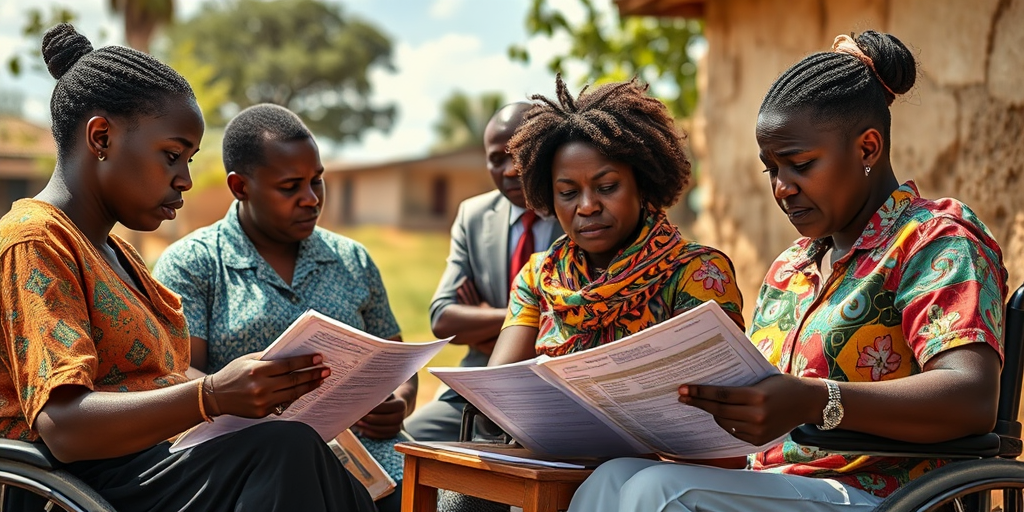
Zambia’s COVID-19 Policies: A Missed Opportunity for Disability Inclusion, New Study Reveals
A recent study published in the International Journal for Equity in Health has highlighted significant inadequacies in the Zambian government’s COVID-19 policies regarding the inclusion of people with disabilities. From healthcare access to education and financial support, the findings raise concerns over systematic barriers that have persisted amidst the pandemic, leaving some of Zambia’s most vulnerable residents underserved.
Study Overview: Analyzing Policy Documents
The study, conducted over a span from 2020 to 2023, utilized framework analysis to assess 10 COVID-19 policy documents by the Zambian government. Researchers scrutinized these documents against eight themes integral to disability inclusion during a health crisis. The analysis revealed worrying gaps, with only 14 out of 80 potential scores within the policies accounting for disability inclusion.
Lead researcher Queen E. Seketi noted the broader implications of these findings: “Despite Zambia having ratified the United Nations Convention on the Rights of Persons with Disabilities (UNCRPD), our analysis found that implementation of these critical frameworks was insufficient during the COVID-19 crisis.”
Lack of Concrete Measures and Data
Significant issues highlighted by the study include a notable absence of provisions for reasonable accommodation and a lack of disaggregated disability data, which are vital for effective monitoring and ensuring inclusivity. These deficiencies suggest a structural oversight within the policy design that has affected real-world applications and support for people with disabilities during the pandemic.
Nathan Mwansa, a Disability Rights Advocate in Lusaka, emphasized the importance of actionable measures: “Having policies is not enough. We need detailed plans and data to ensure that the needs of people with disabilities are met, especially during crises like a pandemic.”
Community Impact: Rising Challenges
For Zambia’s local communities, particularly those already struggling with socioeconomic challenges, these policy omissions exacerbate existing inequities. Access to essential services and reliable information remains a persistent hurdle, hindering the well-being and social participation of people with disabilities.
Local community leader Mary Phiri in Ndola expressed her concerns: “We have families here who were left out of vital services during the pandemic because the policies did not address their specific needs. It is crucial for future policies to be inclusive from the start.”
Connections to Broader Social Issues
The study also fits into a larger narrative of resource allocation challenges in Zambia and other similar contexts. Traditionally, people with disabilities have faced higher risks of poverty, poorer health outcomes, and social marginalization. The COVID-19 pandemic has amplified these issues, demanding a re-evaluation of public health strategies and social policies to ensure that they are inclusive and equitable.
Call for Policy Reform and Engagement
Researchers advocate for significant reforms, including the strengthening of health equity measures and involving people with disabilities at all stages of policy formulation. Emphasizing universal design principles is highlighted as a way forward to foster greater inclusivity across societal sectors.
Charles Banda, who works with several NGOs focusing on disability inclusion, advocates for a participatory approach: “Engaging organizations that represent people with disabilities in policy-making processes could lead to more comprehensive and practical outcomes.”
The Road Ahead: Moving Towards Inclusive Policies
Future implications of the study’s findings suggest a pressing need for aligning local policies with international standards such as the UNCRPD. Zambia stands at a potentially transformative juncture, where adopting inclusive practices not only improves access to services for people with disabilities but also strengthens community resilience against future challenges.
For Zambia’s policymakers, this report serves as both a critique and a roadmap. As Francis Mulenga, a senior policy officer mentioned, “Strengthening our policies to be inclusive is not just a legal obligation but a moral imperative to support all our citizens.”
Supporting Resources
Local government offices and disability advocacy groups offer various resources and contacts for those seeking more information or looking to contribute to ongoing discussions regarding disability inclusion in policies. Residents are encouraged to connect with local organizations to learn more and participate in shaping policies that reflect the needs of all members of society.
As Zambia faces future health and social challenges, this study by highlighting the gaps in policy implementation underscores the importance of ensuring people with disabilities are not left behind. It calls on all stakeholders—government, community organizations, and citizens—to work collaboratively to foster a more inclusive and equitable society.


